Trump's NATO Assertion Contradicted by Historical Fact
In a recent speech at Davos, former US President Donald Trump launched a fresh broadside against NATO, characterising the alliance as a "one way street" where America foots the bill without reciprocal defence commitments from European members like Britain, France, and Germany. He questioned whether NATO allies would answer America's call if it came under attack, stating, "I don't know that they'd be there for us."
The Core Principle of Collective Defence
This claim demonstrates a profound ignorance of NATO's foundational principle and its historical record. The alliance is built upon Article 5 of the North Atlantic Treaty, which enshrines the concept that an attack on one member is considered an attack on all. In such an event, each member is obligated to take "such action as it deems necessary, including the use of armed force, to restore security."
The Sole Invocation: Standing with America After 9/11
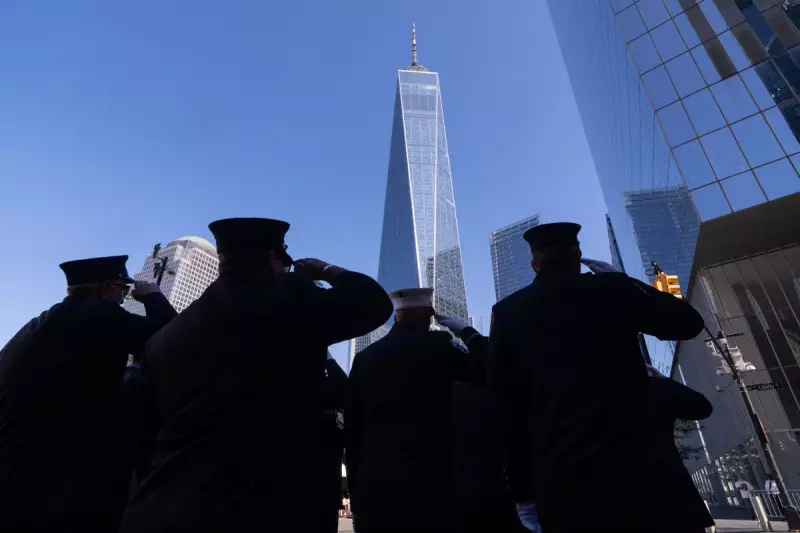
Remarkably, in NATO's 77-year history, Article 5 has been triggered only once. That invocation came in direct response to an attack on the United States. Following the horrific terrorist assaults on New York's World Trade Center on September 11, 2001, NATO moved swiftly to demonstrate solidarity. On September 12, 2001, the alliance took the historic step of activating Article 5, a clear signal to America that its allies stood ready to respond collectively.

When evidence linked the 9/11 attacks to al-Qaeda bases in Afghanistan, NATO members proved the depth of their commitment through action, not just words. Over the ensuing two decades of conflict in Afghanistan, a multinational force answered America's call. Some 130,000 military personnel from 25 of NATO's 32 member states deployed to the region. The human cost was significant: 1,061 non-US NATO service members lost their lives during the campaign, in addition to 2,461 American fatalities.
The Roll Call of Sacrifice
The casualty figures provide a stark rebuttal to claims of a lack of allied support. The United Kingdom suffered the highest number of non-American NATO deaths, with 457 service personnel killed. Other nations made substantial sacrifices relative to their size. Denmark, whose sovereignty over Greenland was previously questioned by Trump, lost 43 personnel—the second-highest proportion of its population among contributing nations.
The full list of non-US NATO fatalities in Afghanistan underscores the breadth of the alliance's response:
- United Kingdom: 457
- Canada: 159
- France: 90
- Germany: 62
- Italy: 63
- Poland: 44
- Denmark: 43
- Spain: 35
- Romania: 27
- Netherlands: 25
- Turkey: 15
- Czech Republic: 14
- Norway: 10
- Estonia: 9
- Hungary: 7
- Sweden: 5
- Latvia: 4
- Slovakia: 3
- Finland: 3
- Portugal: 2
- Albania: 2
- Belgium: 1
- Croatia: 2
- Lithuania: 1
- Montenegro: 1
Beyond Afghanistan: The Broader Commitment
While the Iraq War was not a formal NATO operation—with some members like France declining participation due to political disagreements—allied nations still supported US-led efforts. For instance, 179 British service personnel died in Iraq. To suggest that allies like the UK "weren't there" when America called ignores this tangible sacrifice.
Trump's erroneous conflation of Iceland and Greenland during his speech is a minor gaffe compared to his fundamental misunderstanding of NATO's history. The record is clear: when America faced its gravest modern attack, NATO allies did not hesitate. They invoked their supreme collective defence clause and subsequently shared in the blood, sweat, and tears of a prolonged conflict. The names of the fallen stand as permanent testament to that commitment.