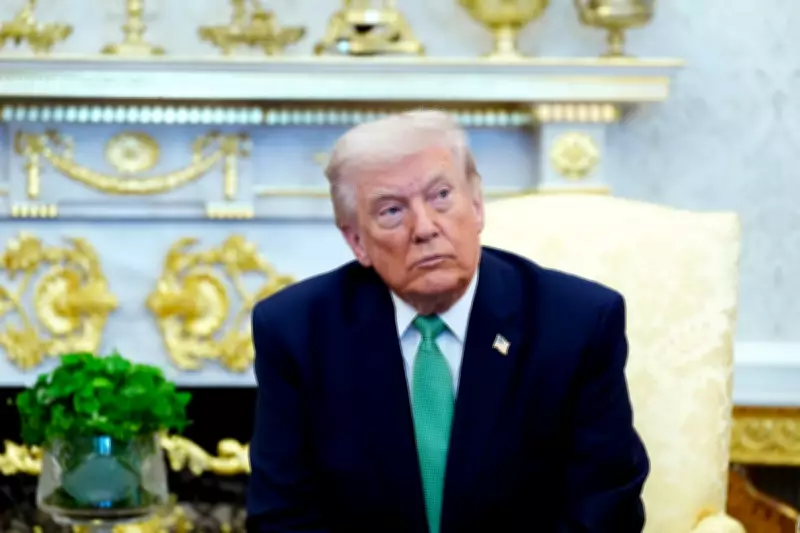
In a sharp rebuke to longstanding allies, former US President Donald Trump has declared that the United States does not require European assistance in the ongoing war with Iran. This statement follows criticism from Trump aimed at the United Kingdom, Germany, and France for their refusal to help reopen the strategically vital Strait of Hormuz and safeguard global oil supplies.
Trump's Critique of NATO and European Leaders
Trump described NATO's decision not to intervene as a "foolish mistake," asserting that the alliance often operates as a "one-way street" where the US bears disproportionate burdens. He emphasized that while European support would be welcomed, it is not essential for American operations in the region.
Resignation and Diplomatic Reactions
The conflict has triggered significant internal and external responses. Joe Kent, Trump's counterterrorism chief, resigned in protest, stating he could not endorse the war effort because Tehran posed no imminent threat to US security.
On the diplomatic front, European Union foreign policy chief Kaja Kallas urged the US and Israel to de-escalate tensions. She highlighted the challenges of ending wars once they begin and stressed the importance of allowing all parties to "save face" in negotiations.
Impact of the Conflict
The war has led to severe consequences across the Middle East and globally:
- The near-closure of the Strait of Hormuz, a critical chokepoint for oil shipments.
- Significant destabilization in the region, exacerbating existing conflicts.
- Spikes in global oil prices, affecting economies worldwide.
- Substantial displacement and casualties in Iran and Lebanon, worsening humanitarian crises.
Trump's stance underscores a broader shift in US foreign policy, prioritizing unilateral action over multilateral cooperation, even as the conflict's ramifications continue to unfold.