Trump Rebukes Starmer Over UK Refusal to Back Strikes on Iran
Former US President Donald Trump has launched a fresh critique of UK Prime Minister Keir Starmer, focusing on Britain's decision not to support offensive military strikes against Iran. Trump emphasised that the longstanding relationship between the two nations has fundamentally changed, expressing disappointment at the UK's stance.
"Relationship Is Obviously Not What It Was"
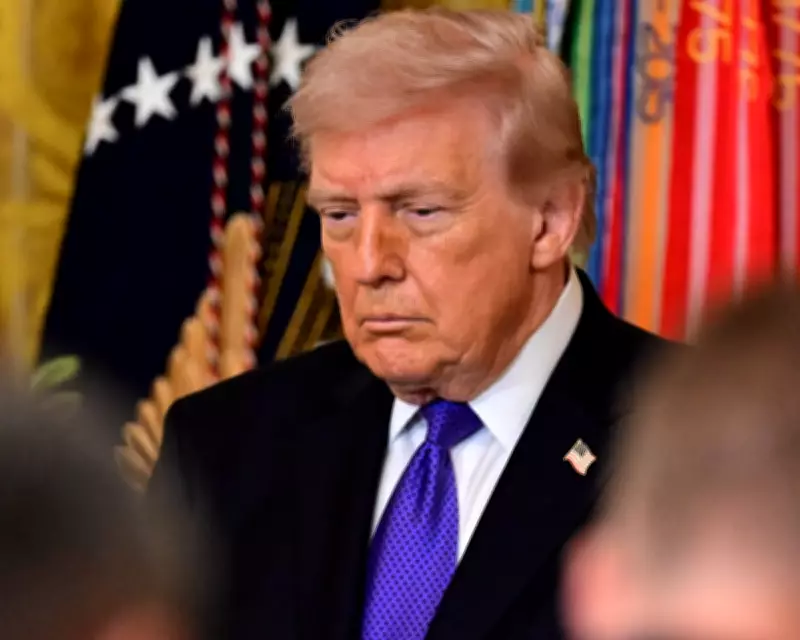
In an interview with The Sun, Trump contrasted the UK's position unfavourably with France's support for the strikes and the backing of NATO Secretary General Mark Rutte. "He has not been helpful. I never thought I'd see that. I never thought I'd see that from the UK. We love the UK," Trump stated, highlighting his surprise at the British government's approach.
Trump elaborated on the perceived shift in relations, noting, "It's a different world, actually. It's just a much different kind of relationship that we've had with your country before. It's very sad to see that the relationship is obviously not what it was." This comment underscores his view that the traditional alliance has weakened under Starmer's leadership.

Starmer's Defence of UK Position
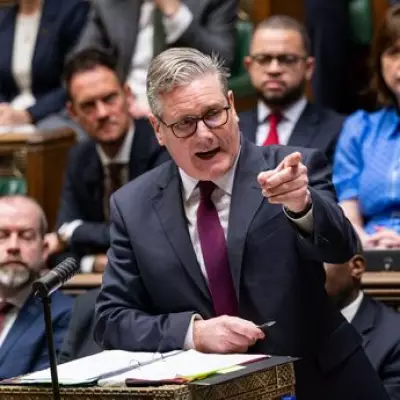
Prime Minister Starmer had issued his strongest rebuke yet of Trump's actions in Iran, articulating that the UK does not endorse "regime change from the skies." He defended his decision to prohibit the use of British bases for conducting offensive strikes, while clarifying that the UK would permit their use for defensive purposes to protect allied forces and nations in the Gulf and Middle East.
Speaking in the House of Commons, Starmer referenced past conflicts, stating, "We all remember the mistakes of Iraq, and we have learned those lessons. Any UK actions must always have a lawful basis, and a viable thought-through plan. That is the principle that I applied to the decisions that I made over the weekend." This stance reflects a cautious approach rooted in legal and strategic considerations.
Trump's Broader Criticisms and Regional Context
Trump further criticised Starmer's policies on several fronts, including the Chagos Islands deal, North Sea oil and gas exploration, and immigration. He urged Starmer to "stop people from coming in from foreign lands who hate you," indicating broader disagreements beyond the Iran issue.
Regarding the military collaboration, Trump downplayed the practical impact of UK support, remarking, "It's not going to matter, but [Starmer] should have helped ... he should have. I mean, France has been great. They've all been great. The UK has been much different from others." He praised Rutte's support while singling out Starmer's divergence.
UK's Defensive Actions and Regional Retaliation
In response to Iran's retaliatory strikes, Starmer detailed the UK's defensive measures. He reported that the RAF intercepted an Iranian drone strike targeting a coalition base in Iraq where UK forces are stationed. Additionally, two drones were fired at the British base in Cyprus, RAF Akrotiri, launched prior to Sunday night's statement on US use of UK bases.
Starmer had not previously expressed explicit opposition to the initial wave of US-Israeli attacks on Iran, which resulted in the deaths of Ayatollah Ali Khamenei and other senior Iranian leaders. Iran has since launched a series of retaliatory missile and drone attacks on various targets across the Gulf and Middle East, including the UAE, Saudi Arabia, Kuwait, Qatar, Iraq, Bahrain, and Oman.
Strategic Implications and Future Cooperation
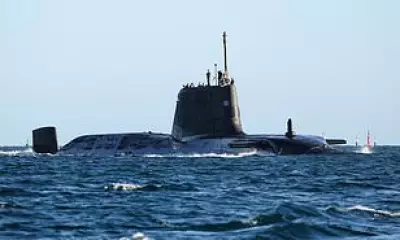
The UK is anticipated to allow the US to utilise RAF Fairford in Gloucestershire and Diego Garcia in the Chagos Islands for targeting Iran's "missile cities." These sites house high-speed ballistic missiles, which are considered among Iran's most dangerous weapons. This limited cooperation highlights the nuanced balance Starmer is attempting to maintain between supporting allies and adhering to UK principles.
Trump concluded by wishing Starmer "a lot of luck" and affirming a "great relationship" with the British people, though he noted the UK is "not such a recognisable country" compared to the past. This ongoing diplomatic tension underscores the complexities of international relations in the Middle East crisis, with the UK navigating a path between alliance obligations and independent foreign policy.