Trump Escalates Rhetoric on Cuba, Claims 'Honor' of Taking the Nation
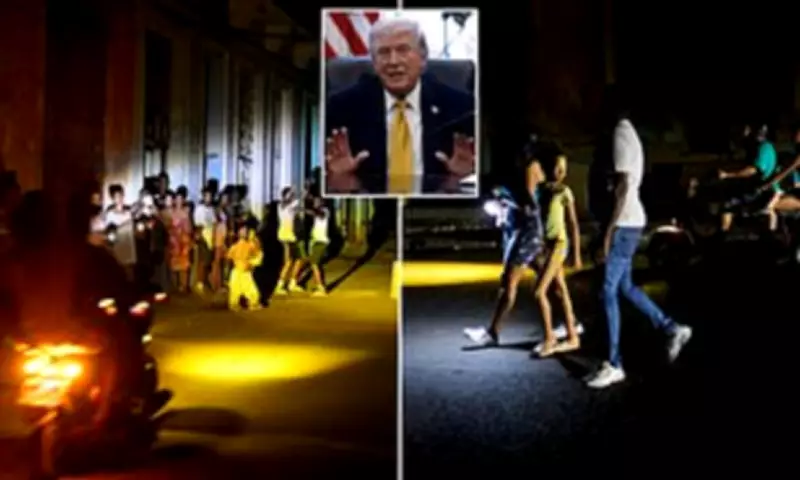
In a striking statement from the Oval Office on Monday, former US President Donald Trump escalated his rhetoric against Cuba, declaring he anticipated having the "honor" of "taking Cuba in some form." He added, "I can do anything I want" with the neighboring country, underscoring a bold stance amid ongoing bilateral talks.
Trump's Comments and Context
Speaking to reporters, Trump elaborated, "I do believe I'll be ... having the honor of taking Cuba. That's a big honor. Taking Cuba in some form. I mean, whether I free it, take it. Think I can do anything I want with it. You want to know the truth." These remarks come as Cuba grapples with an island-wide blackout and an unprecedented economic crisis, worsened by a US-imposed oil blockade following the capture of former Venezuelan President Nicolas Maduro.
US-Cuba Talks and Objectives
Cuba and the US have recently opened talks aimed at improving their largely adverse relations, which have reached one of their most contentious points in the 67 years since Fidel Castro overthrew a close US ally. According to the New York Times, citing four sources familiar with the discussions, a key US objective is the removal of Cuban President Miguel Diaz-Canel from office. American negotiators have signaled that Diaz-Canel must go, though they are leaving the next steps to Cuban officials.
Cuba has traditionally rejected any interference in its internal affairs, viewing such proposals as deal-breakers. Diaz-Canel, who succeeded Fidel and Raul Castro in 2018, emphasized on Friday that talks should proceed "under the principles of equality and respect for the political systems of both countries, sovereignty and self-determination."
Cuba's Current Crisis
The island is facing severe challenges, including:
- An economic crisis exacerbated by the US oil blockade, with no oil shipments received in three months.
- Severe energy rationing leading to extended power outages, including a major grid collapse on Monday that left around 10 million people without power.
- Regular shortages of food, medicine, and other basics, spurring public frustrations.
Recent protests have included vandalism at a provincial Cuban Communist Party office in Moron, where 14 people were arrested, and nightly pot-banging demonstrations with cries of "Libertad" (freedom). Diaz-Canel acknowledged the discontent over blackouts in an X post, stating, "What will never be comprehensible, justified or admitted is violence." The government has also rationed gasoline sales and some hospital services due to fuel shortages.
Trump's Broader Strategy
Trump, after actions against Maduro and joining Israel in attacking Iran, has openly mused that Cuba would be "next." He increased pressure by halting Venezuelan oil shipments to Cuba and threatening tariffs on countries selling oil to Cuba. On Sunday, Trump noted that Cuba "wants to make a 'deal'," which could come quickly after addressing Iran. He told reporters aboard Air Force One, "I think we will pretty soon either make a deal or do whatever we have to do. We're talking to Cuba, but we're going to do Iran before Cuba."
Historical and Legal Context
While over a dozen US presidents have opposed Cuba's Communist government and criticized its human rights record, Washington has honored a pledge not to invade Cuba or support an invasion since the 1962 Cuban missile crisis agreement with the Soviet Union. The White House has yet to detail the legal basis for any possible intervention in Cuba.
Economic Measures and Future Outlook
In a bid to relieve economic pressure and meet US demands, Cuban Foreign Trade Minister Oscar Perez-Oliva announced on Monday that Cuban exiles would now be able to invest and own businesses in Cuba. He told NBC News, "Cuba is open to having a fluid commercial relationship with US companies and also with Cubans residing in the United States and their descendants."
However, Trump's focus on Iran first could prolong Cuba's difficulties. Earlier Monday, Trump suggested the Middle East conflict might resolve soon, but sources told Axios it could last until September, longer than publicly discussed. Trump has been vague on timing, stating the war will last as long as "necessary." Meanwhile, Iranian officials have allegedly tried to reestablish contact with Trump's Middle East envoy, Steve Witkoff, but senior White House officials told CNN the President has no interest in negotiating with Tehran.
As tensions simmer, Cuba remains in a precarious position, balancing internal crises with external pressures from the US.