

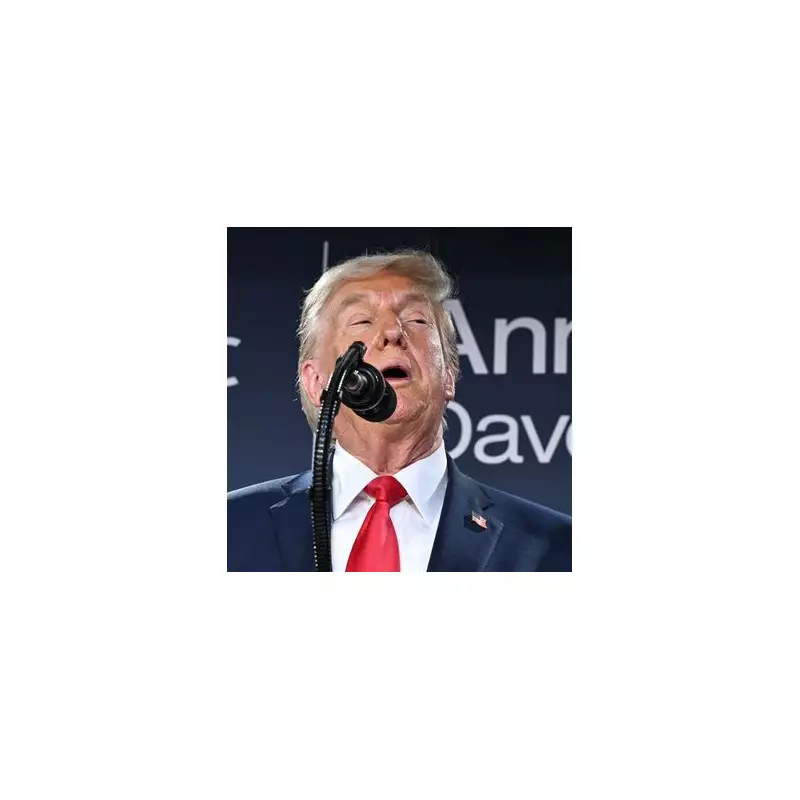
Trump Performs Stunning U-Turn on Tariff Threat After Greenland Controversy
In a remarkable policy reversal, former US President Donald Trump has withdrawn his threat to impose punitive tariffs on the United Kingdom and other NATO allies following a fierce international backlash over his ambitions regarding Greenland. The unexpected climbdown came just hours after Prime Minister Keir Starmer vowed that Britain would not yield to economic pressure over the territorial dispute.
Social Media Announcement Follows "Productive" NATO Talks
The unpredictable political figure announced his dramatic change of position on his social media platform, Truth Social, revealing he had abandoned planned tariffs scheduled to commence on February 1st. Trump cited what he described as a "very productive meeting" with NATO Secretary General Mark Rutte, claiming they had established "the framework of a future deal" concerning Greenland and the wider Arctic region.
"This solution, if consummated, will be a great one for the United States of America, and all NATO Nations," Trump wrote in his characteristically bold style. "Based upon this understanding, I will not be imposing the Tariffs that were scheduled to go into effect on February 1st."

Starmer's Firm Stance Preceded Presidential Reversal
The tariff threat reversal followed particularly strong criticism from Prime Minister Keir Starmer during Wednesday's Prime Minister's Questions. Starmer had explicitly stated that Britain would not compromise its principles regarding Greenland's future under the threat of economic sanctions.
"I will not yield, Britain will not yield on our principles and values about the future of Greenland under threats of tariffs, and that is my clear position," Starmer declared to Parliament. The Prime Minister further accused Trump of using language about the Chagos Islands agreement that differed from previous statements, suggesting this was deliberately intended to pressure Britain regarding Greenland.
Escalating Tariff Threat Had Targeted NATO Allies
Trump had previously threatened to implement 10% tariffs on Britain and European allies from February 1st unless they acquiesced to his proposed purchase of Greenland. The controversial plan would have seen those tariffs increase to a substantial 25% by June, specifically targeting NATO member nations who opposed his Greenland ambitions.
The proposed measures generated immediate and widespread condemnation across diplomatic circles, with many allies viewing them as an inappropriate use of economic pressure within the NATO alliance. The threat emerged from Trump's longstanding interest in acquiring Greenland, which he has repeatedly described as a strategic asset for the United States.
Diplomatic Fallout and Future Implications
While Trump's announcement suggests a temporary de-escalation of tensions, the episode has highlighted ongoing volatility in transatlantic relations. The former president's willingness to threaten close allies with significant economic penalties over territorial ambitions has raised questions about the future stability of international partnerships.
The development comes as Danish Prime Minister Mette Frederiksen prepares to visit the UK, with Greenland's status expected to feature prominently in discussions. Starmer emphasized that attempting to pressure NATO allies opposed to changes in Greenland's status was "totally wrong," reinforcing Britain's commitment to diplomatic principles over economic coercion.
This dramatic reversal represents one of the most significant foreign policy shifts in recent months, demonstrating how quickly international positions can change amid high-stakes diplomatic negotiations. The framework agreement mentioned by Trump remains undefined, leaving questions about what specific arrangements have been discussed regarding Greenland's future and Arctic governance.






