Sources have claimed that the United States and Iran are closer than ever to agreeing a peace deal that would end two months of hostilities. Donald Trump declared there have been “good talks over the last 24 hours,” as the White House awaits Tehran’s response to a one-page memorandum of understanding (MOU). Axios reported that some US officials expect a response before the weekend, noting the two sides are “not far, but there is no deal yet.”
Trump’s Optimism and Iran’s Review
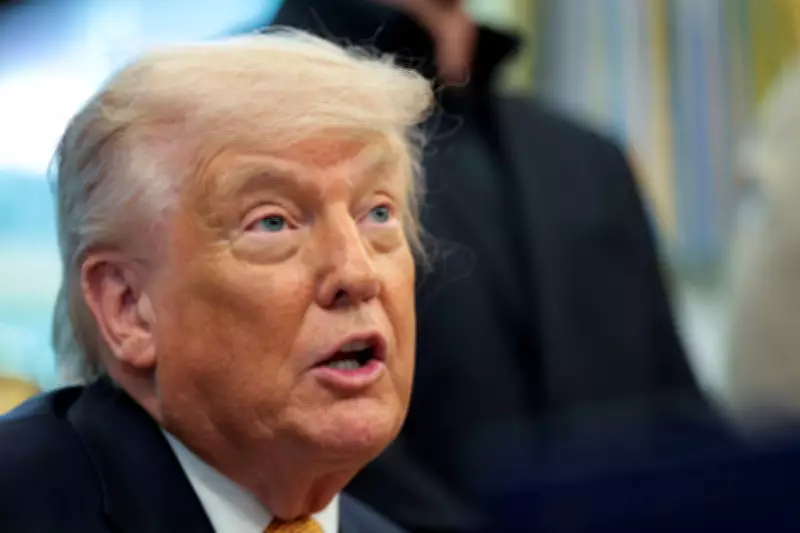
Trump expressed confidence, stating, “They [Iran] want to make a deal. We've had very good talks over the last 24 hours and it's very possible that we'll make a deal up there,” adding, “I think we won.” Iranian foreign ministry spokesperson Ismail Baghaei said the proposal is being reviewed by Iran, which will inform Pakistani mediators of its opinion, according to ISNA news agency.
The 14-Point Memorandum of Understanding
The MOU, being negotiated between Iranian officials and Trump’s envoys Steve Witkoff and Jared Kushner, would end the war and initiate a 30-day negotiation period for a detailed peace agreement. Tehran would commit to a moratorium on nuclear enrichment, while the US would lift sanctions on Iran, releasing billions in frozen funds. Both sides would eventually lift blockades in and around the Strait of Hormuz, through which one-fifth of the world’s crude oil passes. Negotiations are likely to occur in Islamabad or Geneva, according to sources.

Last month, Washington received a 10-point proposal from Iran, which Trump described as a “workable basis on which to negotiate.” Iran’s Supreme National Security Council published a list of points it said Washington had agreed to in principle, including non-aggression, continued Iranian control over the Strait of Hormuz, acceptance of enrichment, lifting all sanctions, termination of UN and IAEA resolutions, withdrawal of US combat forces, and cessation of war on all fronts, including against Islamic resistance in Lebanon.
Iran’s Nuclear Programme
Dismantling Iran’s nuclear programme has been a central US war aim since the conflict began on 28 February. Trump has warned Iran to stop enriching uranium, which can be turned into nuclear weapons. Last month, the White House said Iran indicated it would turn over its existing stocks. The MOU negotiations focus on the duration of a moratorium on enrichment, with officials suggesting it could last up to 12 years. Tehran initially proposed five years, while Washington proposed 20. The US reportedly seeks a guarantee that Iranian violations would prolong the moratorium.
After the moratorium expires, Iran would be permitted to enrich to 3.67 per cent, the same level as in the 2015 JCPOA. The MOU would commit Iran never to build a nuclear weapon. One US official mentioned talks on whether Iran should be banned from operating underground nuclear facilities. The agreement would also intensify inspections, including by UN inspectors.
The Strait of Hormuz
The MOU would open the Strait of Hormuz for commercial shipping, with Tehran lifting its blockade and the US lifting its blockade of Iranian ports. Despite announcing ‘Project Freedom’ to free ships, Trump has backed off. US officials attribute this to progress in talks, though other reports suggest a furious response from regional allies like Saudi Arabia and Kuwait. Under the MOU, restrictions would be gradually lifted over 30 days. However, if negotiations collapse, US forces would restore the blockade or resume military action. Tehran has previously said it will collect tolls from ships, while Trump suggested a joint venture to charge foreign ships. The UN Convention on the Law of the Sea prohibits such demands for passage.
A Ceasefire for Lebanon
Tehran has demanded that Israel halt strikes in Lebanon as part of the talks. Despite a ceasefire last month, Israel has continued attacks, including a strike on Beirut on Wednesday. The ten-point ceasefire agreement included an end to all hostilities, including the conflict between Israel and Hezbollah. Trump said he ordered Israeli Prime Minister Benjamin Netanyahu to carry out only “surgical” strikes in Lebanon. Whether an agreement on Lebanon will be part of the MOU, and how Wednesday’s strikes might impact negotiations, remains unclear.