Starmer's NATO Fury: A Defining Stand Against Trump's 'Insulting' Remarks
Prime Minister Keir Starmer's blistering response to Donald Trump's comments about NATO troops in Afghanistan represents a dramatic departure from his previous conciliatory approach, with experts suggesting this could mark his inaugural moment of publicly standing up to the former US President.
A Forceful Condemnation
Speaking to reporters at 10 Downing Street, Starmer branded Trump's suggestion that NATO allies "stayed a little back, a little off the front lines" as "insulting and frankly appalling". This forceful language contrasts sharply with the Prime Minister's previous interactions with Trump, where he had demonstrated what body language expert Judi James describes as an "active desire to please and flatter" the American leader.
Following International Precedents
According to James, Starmer's approach "comes down a path that other leaders have trail-blazed this week", with French leader Emmanuel Macron and Canadian Prime Minister Mark Carney having already tested the waters for such confrontational rhetoric. The expert notes that these international counterparts "appeared to have been successful as a result" of their own challenges to Trump's statements.

James emphasises that Starmer's statement "does sound more specific and even personal" than previous diplomatic exchanges, with the strong vocabulary choices of "insulting" and "appalling" designed to resonate directly with Trump himself.
A Dramatic Shift in Body Language
The Prime Minister's physical presentation during his remarks revealed significant emotional intensity. James observed "hard, staccato blinking" that resembled "morse code messages of irritation", while his chest displayed "shallow heaving" that subtly accelerated as he prepared to speak.
Starmer's delivery was punctuated by rapid nods that "cut through the questions in a form of non-verbal interruption", suggesting impatience to deliver his prepared statement. When his moment arrived, he "literally springs into life", beginning with the commanding phrase "Let me..." and employing dramatic hand gestures that James interprets as an "invisible brick" motion designed to add theatrical emphasis.
Role-Playing Anger and Indignation
The body language expert suggests Starmer was "role-playing the emotions that actually should be aimed at Trump himself" through his performance. His voice rose to a shout to convey anger, while his "head batons and hand chopping gestures" indicated "a state of aggressive arousal".
Particularly noteworthy was Starmer's emphatic use of the word "I", which James interprets as signalling that "the 'fight' is a personal one". The Prime Minister delivered his condemnation with a "sustained stare" and "dramatic pause", as if directly addressing Trump rather than the assembled journalists.
From Conciliation to Confrontation
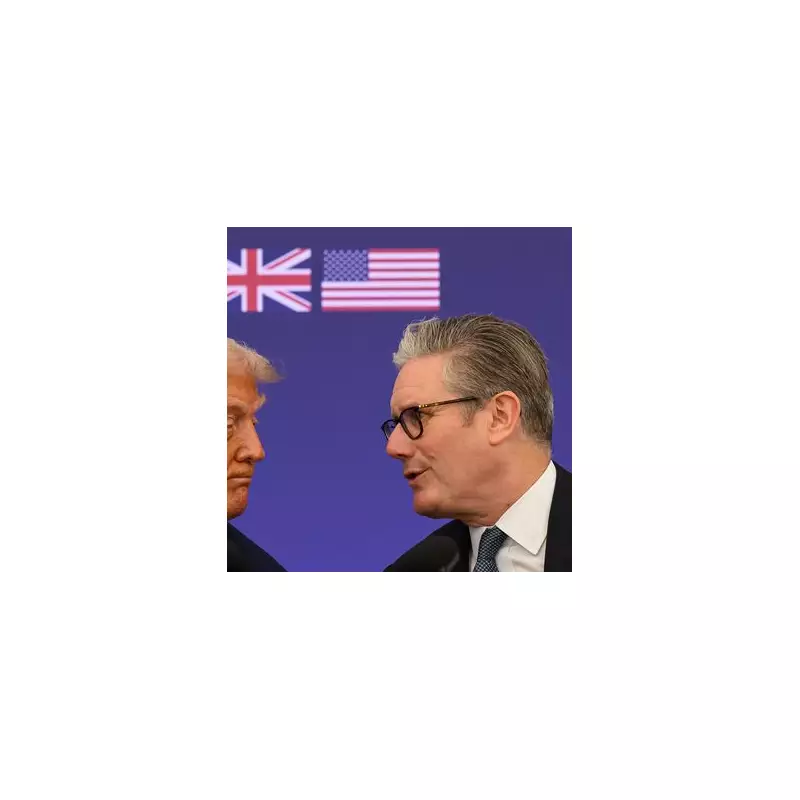
This marked shift stands in stark contrast to Starmer's previous interactions with Trump, most notably during the former President's visit to the UK last year. On that occasion, the Prime Minister was observed "laughing and joking" with Trump while appearing keen to strengthen the traditional "special relationship" between their nations.
James notes that in those earlier meetings, Starmer displayed "a more conciliatory mode" and enjoyed applying his "signature arm and shoulder pats" to register friendship and rapport. The expert's analysis suggests that the Prime Minister's recent performance represents a calculated strategic pivot toward a more confrontational diplomatic posture when addressing Trump's controversial statements.