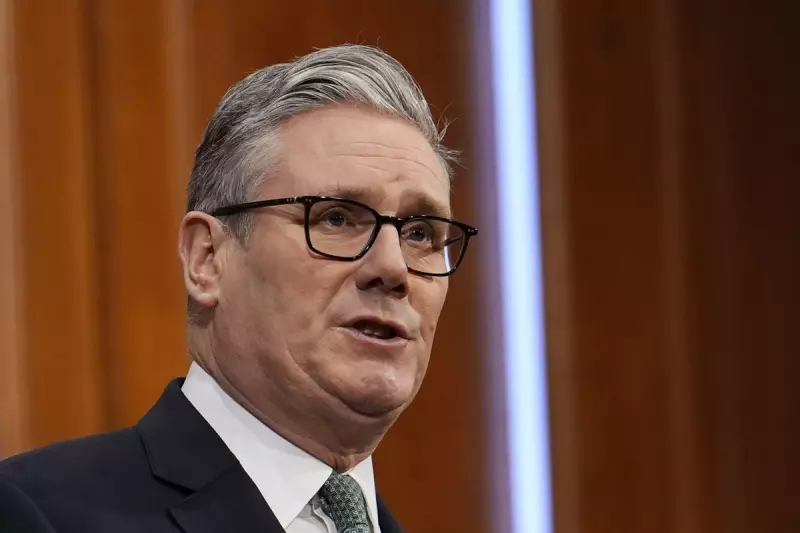
Prime Minister Sir Keir Starmer has emphasised that his landmark visit to China will deliver tangible benefits for the United Kingdom, as he prepares to become the first British leader to travel to Beijing in eight years. The trip, which begins on Wednesday, marks a significant step in Labour's strategy to rebuild diplomatic and economic bridges with China after a period of strained relations under the previous Conservative government.
Building Bridges with a Major Delegation
Sir Keir is accompanied by an extensive delegation of nearly 60 representatives from British businesses and cultural institutions, underscoring the commercial and soft power ambitions of the mission. Speaking to reporters aboard the flight to Beijing, the Prime Minister pointed to the strong corporate turnout as clear evidence of the opportunities awaiting exploration. He stated that the engagement reflects directly back home in terms of the advantages it can bring to the United Kingdom, suggesting potential boosts to trade, investment, and cultural exchange.
A Shift from "Golden Age to Ice Age"
The visit represents a notable departure from the recent past, where UK-China relations cooled considerably. Sir Keir is the first British Prime Minister to visit China since Theresa May's trip in 2018. In the intervening years, diplomatic ties faced challenges, before Labour initiated a process of re-engagement through a series of ministerial visits, culminating in this high-profile prime ministerial journey.

The Prime Minister articulated his desire for a "comprehensive and consistent approach to China," contrasting it with what he described as the previous government's tendency to veer "from golden age to ice age." This suggests a Labour policy aiming for steadier, more predictable diplomacy rather than the fluctuations seen in recent years.
Navigating Human Rights Concerns
However, the visit is not without its complexities. Sir Keir faces domestic pressure to raise several sensitive human rights issues with Chinese President Xi Jinping and other senior officials. These include the imprisonment of British national and Hong Kong pro-democracy activist Jimmy Lai, as well as concerns regarding the treatment of the Uyghur minority in Xinjiang.
Ahead of his meetings with Chinese leadership, the Prime Minister remained cautious about specifying which topics would be discussed. He noted that in the past, on all his trips, he has always raised issues that need to be raised, but he preferred not to get ahead of himself on the specifics until he had the opportunity for direct dialogue.
A Platform for Dialogue and Progress
Sir Keir elaborated that part of the rationale for engaging with China is to create a forum where disagreements can be discussed openly and areas of agreement can be advanced. This balanced approach indicates an intention to foster constructive dialogue on challenging issues while simultaneously pursuing mutual interests in trade, culture, and global affairs.
The success of this visit could have significant implications for UK-China relations, potentially unlocking new economic opportunities for British businesses and strengthening cultural links. Yet, it also places Sir Keir in a delicate position, requiring him to navigate the demands of human rights advocacy alongside the pragmatic goals of international diplomacy and economic cooperation.