Starmer's Steady Hand in the Face of Trump's Provocations
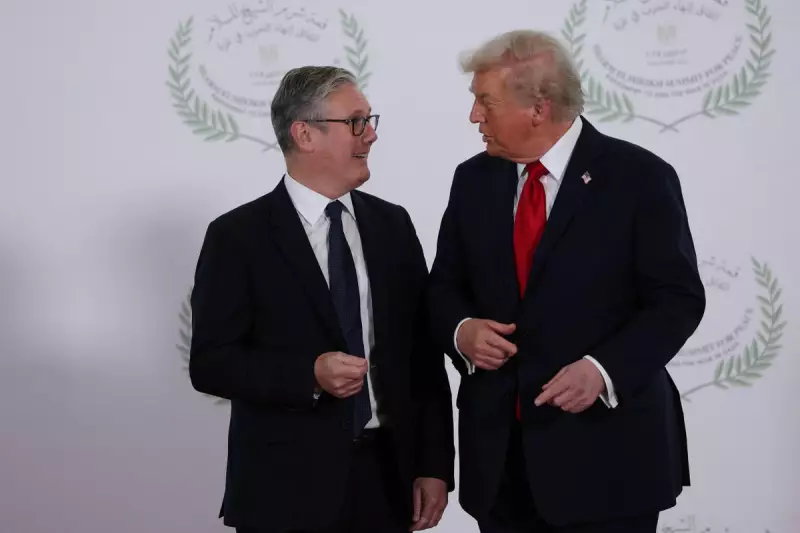
In a display of what can only be described as quintessentially British restraint, Prime Minister Keir Starmer has positioned himself as the immovable object in global politics, directly confronting the formidable force of Donald Trump's ambitions. Rather than engaging in retaliatory measures or symbolic gestures, Starmer has chosen a path of pragmatic diplomacy that has left many observers both surprised and impressed.
The Understated Response to Extraordinary Threats
When faced with President Trump's extraordinary threats to launch military action in Greenland, dismantle NATO, and impose punitive tariffs that could devastate British industry, Starmer's response was characteristically measured. During an emergency press conference, the prime minister described the president's actions as having been "badly received" - a masterclass in diplomatic understatement that belied the gravity of the situation.
This restrained approach has united the nation in a way few issues have managed recently, with even traditional political opponents finding common ground in their concern about Trump's rhetoric. Starmer's carefully chosen words served as a subtle but unmistakable transmission of British sentiment to the White House, conveying disapproval without severing crucial ties.

Decoding the Diplomatic Language
Beneath the prime minister's measured language about "pragmatism" and "partnership" lay clear messages to multiple audiences. To Trump, Starmer communicated that his positions on tariffs and Greenland were simply "wrong" - a surprisingly direct term amid the diplomatic niceties. To the British people and European allies, he reinforced the fundamental importance of maintaining relations with the United States, damaged though the "special relationship" may be.
The prime minister articulated the uncomfortable reality that Britain's national interest depends heavily on American cooperation in defence, intelligence-sharing, trade, and nuclear deterrence. When pressed on the Greenland issue, Starmer revealed his assessment that Trump wasn't "genuinely considering military action," suggesting a calculated reading of the president's bluster versus his actual intentions.
The Bollard Philosophy in Action
Starmer has embraced what might be termed "Bollardian" diplomacy - the art of being an immovable object in geopolitical traffic. This approach involves absorbing pressure without yielding position, a strategy that has drawn both criticism and admiration. His recent forty-minute exposition on why Britain wouldn't take dramatic action against Trump's threats exemplified this philosophy perfectly.
The prime minister dismissed what he called "performative" politics that might make politicians "feel good" but achieve little of practical value. He specifically rejected suggestions of cancelling the King and Queen's upcoming visit to America or launching a trade war that would harm British workers and consumers without addressing the cost-of-living crisis.
Navigating the Transatlantic Tightrope
Starmer's recent efforts have focused on calming Trump's irritation about European military deployments, attempting to reassure the president that these weren't challenges to American hegemony. In this delicate balancing act, the prime minister has assumed an informal role as "Trump whisperer," seeking to manage the relationship without compromising British interests or principles.
His approach mirrors that of leaders who transcend domestic politics in foreign affairs, earning support across party lines while frustrating those who desire more dramatic confrontation. Like his handling of Brexit, Starmer appears determined to make the best of difficult circumstances, focusing on finding "a way forward" through "pragmatic, sensible" measures rather than grand gestures.
The Strategic Value of Doing Nothing
Perhaps the most striking aspect of Starmer's approach is his willingness to appear inactive when action would be counterproductive. By refusing to escalate tensions or engage in symbolic retaliation, he preserves Britain's position while avoiding self-inflicted damage. This requires considerable political courage and confidence, particularly when facing pressure to "do something" in response to provocative statements.

The prime minister's remarks should ultimately be well received by those who value stability over drama in international relations. In an era of increasing geopolitical volatility, Starmer's bollard diplomacy offers a model of how to maintain crucial alliances while standing firm on principles - even if that sometimes means standing perfectly still.