Keir Starmer Commits to De-escalating Middle East Conflict Amid Iranian Threats
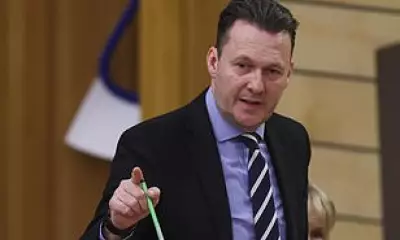
Prime Minister Sir Keir Starmer has declared his intention to work tirelessly with global leaders to de-escalate the ongoing war in the Middle East. This commitment comes as Iran's Supreme Leader, Ayatollah Mojtaba Khamenei, vows to avenge the deaths of "martyrs" killed in the conflict, threatening to prolong hostilities and disrupt global oil supplies.
Iran's Aggressive Stance and Economic Implications
In his first public statement since assuming leadership, delivered via state television, Ayatollah Khamenei asserted that Iran will continue its attacks on Gulf Arab neighbours. He demanded the expulsion of American forces from the region and issued a stark warning to maintain the blockade of the Strait of Hormuz, a critical chokepoint for oil shipments. This move has already driven oil prices soaring above $100 per barrel, exacerbating global economic concerns and impacting the cost of living worldwide.
Notably, Khamenei did not appear on camera during the broadcast, with Israeli intelligence assessments suggesting he may have been wounded in the initial stages of the war. His rhetoric indicates that Iran aims to inflict sufficient economic pain on the United States and Israel to force a cessation of their military actions, with security guarantees as a precondition for any ceasefire.
UK Diplomatic and Military Responses
While Starmer focuses on diplomatic efforts, stating his role is to "work with other international leaders to try to de-escalate the situation," Foreign Secretary Yvette Cooper has embarked on a solidarity mission to Saudi Arabia. Her visit marks the first by a UK minister to the region since the war erupted, underscoring Britain's support for Gulf allies. During her trip, Cooper thanked Saudi aviation authorities for keeping airspace open, facilitating the repatriation of over 63,000 British nationals from the Gulf—a feat she praised as a "huge tribute" to consular teams.
Cooper also engaged in extensive discussions with Saudi Energy Minister Prince Abdulaziz bin Salman, addressing energy security and the vital need for freedom of navigation in the Strait of Hormuz. This dialogue highlights the UK's strategic focus on stabilizing oil markets amidst the crisis.
Political Divergence and Security Concerns
The conflict has sparked divergent views within UK politics. Conservative leader Kemi Badenoch advocates for a more aggressive military stance, arguing that Britain must "take out anyone who is attacking British bases and British people." She contends that the UK is inevitably involved in the war and should target Iran's missile launch capabilities to protect national interests.
In contrast, Starmer emphasizes coordination with allies on oil supply and regional diplomacy, noting ongoing 24/7 communications. Meanwhile, US President Donald Trump has vowed to "finish the job" against Iran, despite claiming the nation is "virtually destroyed," adding another layer of complexity to international efforts.
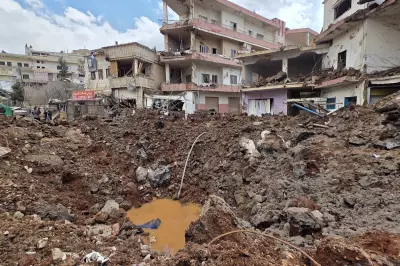
As tensions escalate, with Saudi Arabia reporting drone interceptions over Riyadh and eastern oil fields, the global community watches closely. The interplay between diplomatic de-escalation, military posturing, and economic pressures will likely shape the conflict's trajectory in the coming weeks.