
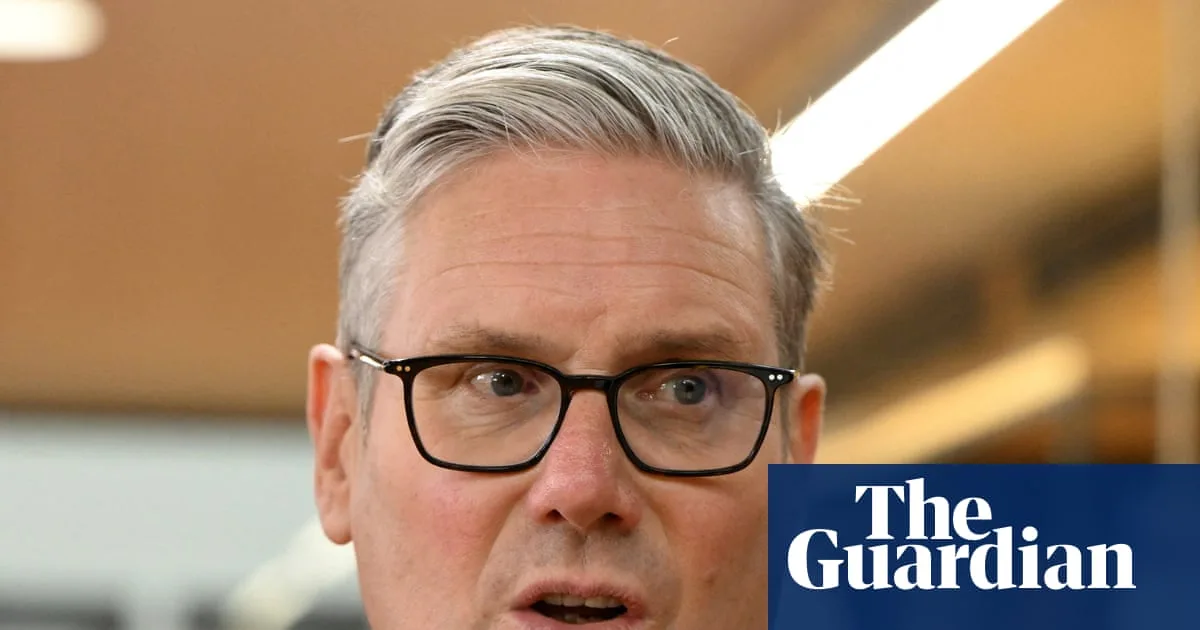
Prime Minister Sir Keir Starmer has insisted he is listening to the concerns of former hostages but remains committed to recognising Palestinian statehood at the United Nations in September, unless Israel agrees to a ceasefire and a two-state solution. The stance comes after freed British-Israeli hostage Emily Damari accused him of a 'moral failure' over the planned move.
Speaking to ITV West Country during a visit to Swindon, Starmer said he had spoken to Damari, who was held by Hamas for 471 days, and understood the 'unimaginable horror' she endured. However, he argued that alongside demanding the release of remaining hostages, the UK must act to alleviate the humanitarian catastrophe in Gaza. 'Unless things materially change on the ground, we'll have to assess this in September,' he stated.
Damari had previously expressed deep sadness at the decision, claiming Starmer is 'not standing on the right side of history'. The government has not clarified whether hostage releases are a prerequisite for recognition, with Business Secretary Jonathan Reynolds asserting that the UK 'does not negotiate with terrorists' and that Hamas must play no role in Gaza's future governance.
The recognition plan has also faced legal scrutiny, with 40 peers writing to Attorney General Richard Hermer to question its compliance with international law. The letter, signed by prominent lawyers including Lord Pannick, argues that Palestine lacks defined borders and an effective government. In contrast, Professor Philippe Sands KC has defended the move, stating the International Court of Justice would likely reject such challenges.




