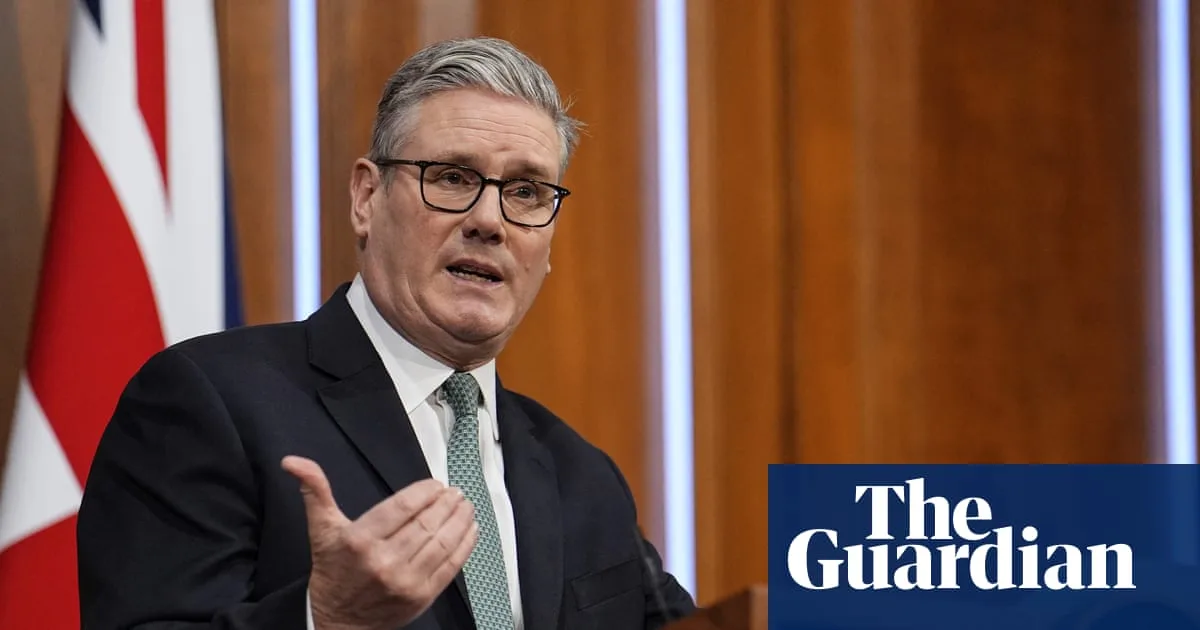
Starmer's Diplomatic Shift: A Hardened Stance Against Trump's Tariff Threats
In a notable departure from his typically measured approach, Prime Minister Keir Starmer delivered a surprisingly robust performance at Prime Minister's Questions on Wednesday. The Labour leader made it unequivocally clear that he would not yield on his position regarding Greenland, directly challenging US President Donald Trump's recent threats to impose tariffs on European allies.
The Context: Trump's Volte Face and Tariff Threats
The prime minister's hardened tone follows a significant diplomatic rupture over the weekend. President Trump threatened to impose substantial 25% tariffs on European nations opposed to the United States taking control of Greenland. This aggressive move represents a stark escalation in transatlantic tensions and has placed Starmer's carefully calibrated diplomatic strategy under immense strain.
For months, the prime minister has pursued a softly-softly approach toward the unpredictable American leader, prioritising private diplomacy and relationship-building in hopes of maintaining influence. This delicate balancing act collapsed spectacularly with Trump's tariff announcement, forcing Starmer into a more confrontational public position than previously witnessed.
From Private Diplomacy to Public Rebuke
Within hours of Trump's tariff threat, Starmer responded with unusual directness, stating unequivocally that "applying tariffs on allies for pursuing the collective security of NATO allies is completely wrong." This marked the first time the prime minister has called out the American president so forcefully, aside from a previous disagreement over Trump's claims about sharia law in London.
At a hastily arranged Downing Street press conference on Monday, Starmer attempted to maintain diplomatic channels while subtly toughening his message. He insisted he still sought a "pragmatic, sensible and sustained" resolution to the crisis, preferring "calm discussion" to "gesture politics" that could damage the transatlantic relationship. However, he simultaneously warned that US tariffs would harm the British economy and were "in no one's interests," while keeping the possibility of retaliatory measures on the table.
The Commons Confrontation: "I Will Not Yield"
The prime minister's most forceful declaration came during Wednesday's parliamentary session. Responding to questions from Conservative leader Kemi Badenoch about Trump's change of position on the Chagos Islands, Starmer delivered his most definitive statement yet.
"President Trump deployed words on Chagos yesterday that were different to his previous words of welcome and support," Starmer told the Commons. "He deployed those words for the express purpose of putting pressure on me and Britain. He wants me to yield on my position, and I'm not going to do so ... I will not yield. Britain will not yield on our principles and values about the future of Greenland and the threats of tariffs."
Behind the Shift: Hardened Resolve and Political Calculations
Insiders suggest several factors have contributed to Starmer's newly assertive stance. The prime minister reportedly views Trump's threats against the United Kingdom as "completely unacceptable," particularly given the close cooperation between the two nations, including recent joint operations against a Russian-flagged oil tanker.
Additionally, Trump's sudden reversal on the Chagos Islands agreement and what Starmer perceives as political opportunism from Badenoch and the Conservative Party have further steeled his resolve. The prime minister believes he consistently prioritised national interest over partisan politics while serving as opposition leader, making the Tories' current positioning particularly galling.
Domestic Reactions and Future Implications
The shift in tone surprised some Labour MPs accustomed to their leader's typically diplomatic approach. However, others believe Starmer should go further still. Liberal Democrat leader Ed Davey has publicly urged the prime minister to abandon what he characterises as a "failed strategy of fawning over Trump" and instead "stand up to him, like we would with any other bully."
For now, Starmer's criticism remains specific and carefully circumscribed. But as one cabinet minister observed: "There may well come a point where Keir has to make a judgment call that we need a more obvious shift in both rhetoric and substance." Should President Trump escalate his threats further, the prime minister's response—while still characteristically measured—is likely to become increasingly forceful in kind.
This evolving diplomatic confrontation represents a significant test of Starmer's premiership and Britain's post-Brexit foreign policy approach. How the prime minister navigates these turbulent transatlantic waters will have substantial implications for both international relations and domestic political fortunes in the months ahead.






