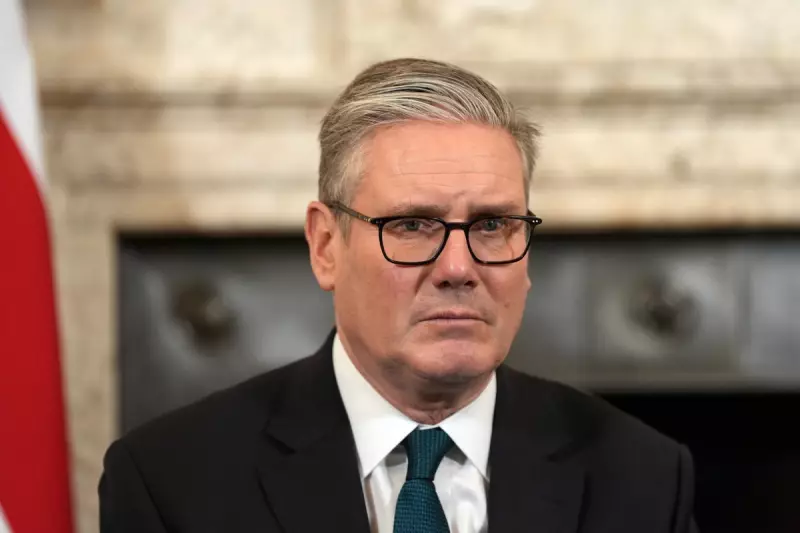
Prime Minister Sir Keir Starmer has touched down in China, marking the first visit by a British Prime Minister to the country in eight years. This significant diplomatic mission, which follows Theresa May's 2018 trip, comes with a substantial delegation of nearly sixty representatives from British businesses and cultural institutions, underscoring the government's intent to rebuild economic bridges with Beijing.
Balancing Economic Opportunities with Security Risks
Speaking to journalists aboard the flight to Beijing, Sir Keir emphasised the economic rationale behind the visit. He pointed to the presence of numerous CEOs as evidence of tangible opportunities, stating that such engagement would ultimately benefit the United Kingdom. The Prime Minister articulated his desire for a "comprehensive and consistent approach to China," contrasting it with what he described as the previous government's tendency to veer "from golden age to ice age" in bilateral relations.
Heightened Security Concerns Loom Large
However, the visit unfolds against a backdrop of severe and persistent security warnings. Sir Ken McCallum, the head of MI5, has publicly stated that "Chinese state actors" present a daily national security threat to the UK. Intelligence agencies have detailed concerns ranging from online espionage and interference in British public life to the harassment of dissidents within UK borders.

Further complicating matters, security services have expressed apprehension about the risks associated with a newly approved Chinese embassy in central London, noting it is "not realistic to expect to be able wholly to eliminate each and every potential risk." In response to these warnings, Sir Keir has asserted that he would "never compromise national security" while pursuing economic gains.
Political Pressure and Human Rights Diplomacy
The trip is politically sensitive, attracting criticism from opposition figures and human rights advocates. Tory leader Kemi Badenoch accused Sir Keir of being "too weak" on China, citing the country's stance on democracy, sanctions against British MPs, disruption of global trade, and territorial ambitions regarding Taiwan.
Domestically, the Prime Minister faces pressure to confront Chinese President Xi Jinping and other senior officials on a series of human rights issues. These include the imprisonment of British national and Hong Kong pro-democracy activist Jimmy Lai, along with the treatment of the Uighur minority. When pressed on what specific issues he would raise during his meetings, Sir Keir remained circumspect, stating he preferred not to "get ahead of myself on the specifics" until discussions had commenced.
He defended the engagement strategy, explaining that part of the reason for dialogue is to discuss points of disagreement while progressing areas of mutual agreement. This visit represents the culmination of a series of ministerial trips initiated by Labour to re-engage with China after a period of cooler relations under the Conservative government.