Prime Minister Keir Starmer has stated that the UK has a role to play in reopening the Strait of Hormuz, following a ceasefire between the US and Iran that briefly allowed shipping to resume. Speaking during a visit to Saudi Arabia, Starmer emphasised the need for a permanent resolution to ensure stability in energy prices.
Starmer met Crown Prince Mohammed bin Salman in Jeddah, where he welcomed the ceasefire and discussed practical steps to restore confidence in the strait's use. Downing Street confirmed that the UK is convening partners to plan the reopening, including addressing issues such as Iranian mines and insurance for tankers.
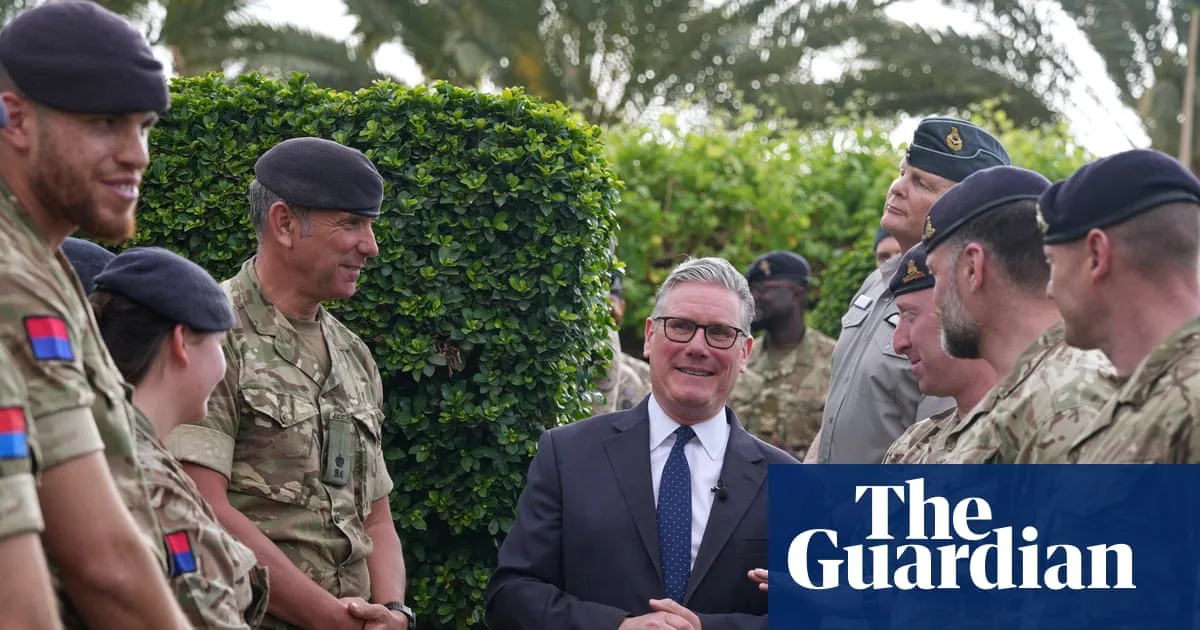
The prime minister also visited British military personnel at King Fahd airbase in Taif, where he reiterated that the UK is not being drawn into the conflict but is acting in collective self-defence. He stressed that protecting UK interests includes securing the strait to stabilise global energy markets.
Iranian reports, however, indicated that the strait was blocked again shortly after the ceasefire, citing a breach by Israel. Starmer's wider Gulf tour is expected to continue, with further visits to regional allies who view the UK as a more reliable partner than the US under Donald Trump.