
President Lee Jae-myung has marked the first anniversary of South Korea’s failed martial law attempt by urging unity and accountability. In a televised address, he said investigations and trials of those involved were ongoing, and that “righteous unity” would only be possible once justice was delivered.
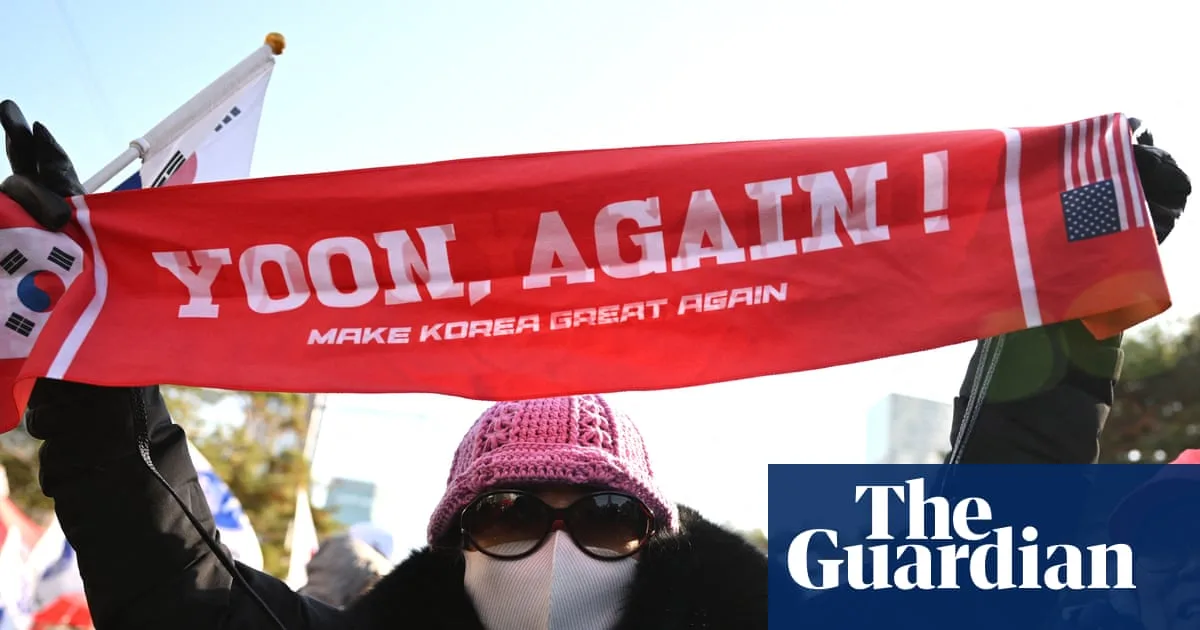
The anniversary comes amid deep political divisions. Supporters of ousted president Yoon Suk-yeol, who declared martial law on 3 December 2024, gathered near the national assembly waving flags and chanting “Yoon Again”. Meanwhile, preparations were under way for larger pro-democracy celebrations expected to draw thousands.
Yoon’s martial law decree, which aimed to ban political activities and authorise warrantless arrests, collapsed within six hours after lawmakers voted unanimously to overturn it. Lee described the event as a “self-coup” and praised citizens for overcoming “an unprecedented democratic crisis in world history” without force.
Yoon was impeached and removed from office, and now faces trial for insurrection and aiding an enemy. Prosecutors allege he ordered drone flights near Pyongyang to provoke a response that would justify emergency rule. Former prime minister Han Duck-soo and former defence minister Kim Yong-hyun are also on trial.
Despite calls for unity, experts warn that political polarisation has deepened. Professor Hannah Kim of Sogang University said divisions have become more politicised and intensified, raising concerns about the long-term health of Korean democracy. The crisis has also fuelled a radical rightwing movement, including a courthouse riot by Yoon supporters in January.
The conservative People Power party issued a rare apology, acknowledging its failure to prevent the crisis. However, the party remains split, with approval ratings at 37%, below President Lee’s Democratic party at 45%.




