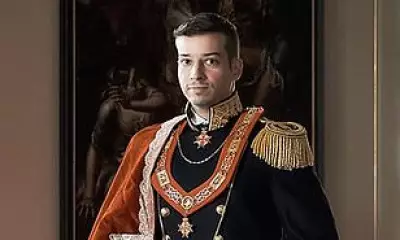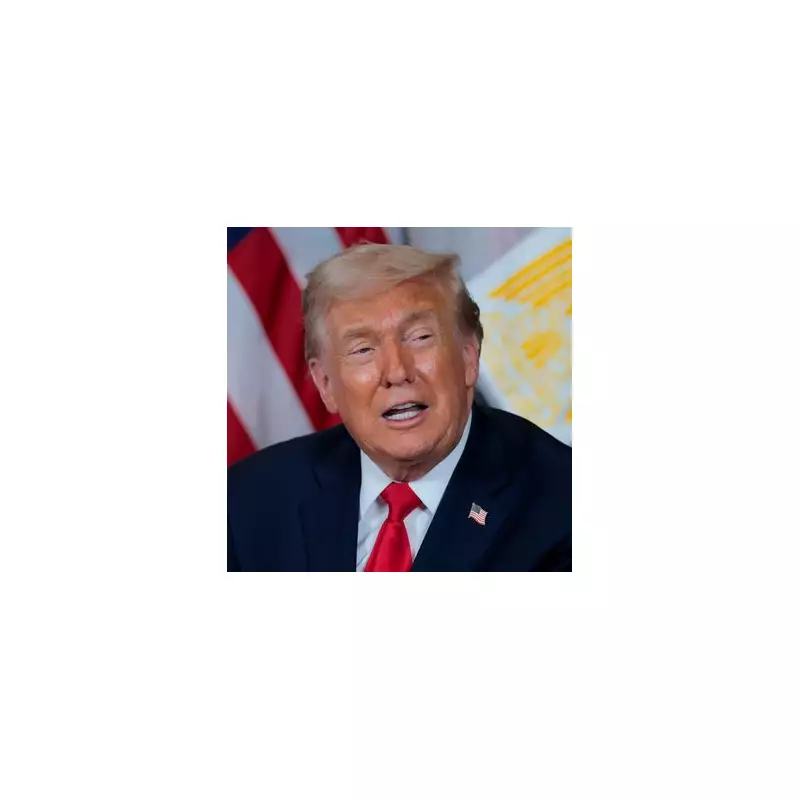
In a development that has sent ripples through diplomatic circles, Slovakia's Prime Minister Robert Fico has reportedly voiced serious concerns about Donald Trump's mental state following a recent meeting. The Slovak leader, traditionally considered an ally of the former US president, is said to have been left stunned by his observations.
Diplomatic Shockwaves from NATO Gathering
The incident occurred during discussions involving NATO leadership, where Fico participated alongside other European Union figures. According to emerging reports, the Slovak prime minister confided in fellow EU leaders about his alarming assessment of Trump's psychological condition, describing the experience as deeply concerning.
A Worried Ally's Assessment
What makes this revelation particularly significant is Fico's established political alignment with Trump. As a leader who has frequently expressed sympathy for Trump's political approach, his unexpected expression of alarm carries substantial weight within international diplomatic communities. The prime minister's comments suggest he perceived something during their interaction that fundamentally challenged his previous understanding of the American political figure.

European diplomatic sources indicate that Fico's concerns centered on Trump's demeanor and cognitive presentation during their exchange. The Slovak leader reportedly emphasized that his observations went beyond political disagreement, touching upon fundamental questions about stability and judgment that could have implications for global security arrangements.
Broader Implications for Transatlantic Relations
This development emerges at a sensitive moment for NATO and transatlantic relations, with multiple European nations assessing their strategic positioning ahead of potential political changes in the United States. The expression of such concerns from within Trump's traditional European support base adds a new dimension to ongoing discussions about leadership stability and international cooperation frameworks.
Diplomatic analysts suggest that Fico's reported comments may reflect wider, unspoken concerns within certain European political circles about the psychological fitness of influential global figures. The fact that these observations come from a sympathetic political ally rather than a critic makes them particularly noteworthy for policymakers on both sides of the Atlantic.
The situation continues to develop as diplomatic channels process these revelations and assess their potential impact on future international engagements and security cooperation arrangements between European nations and the United States.