US Senate Moves to Block Trump from Starting War with Iran
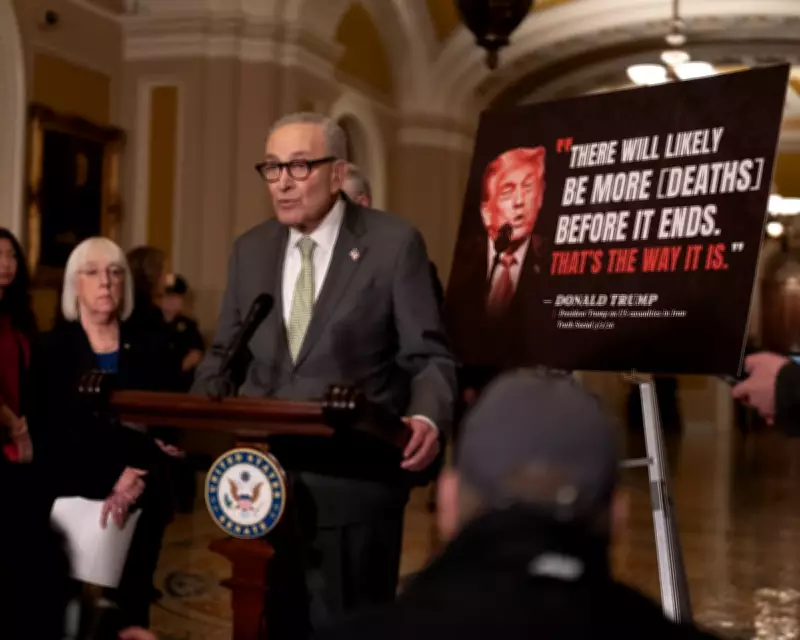
The United States Senate is currently holding a critical vote on a legislative measure designed to prevent former President Donald Trump from launching military action against Iran. This move comes as tensions between the US, Israel, and Iran continue to escalate, raising fears of a broader conflict in the Middle East.
Background of the Escalating Tensions
In recent months, the geopolitical landscape has been marked by increasing hostilities involving Iran, Israel, and the United States. Iran has been accused of supporting proxy groups that have carried out attacks against Israeli interests, while Israel has conducted airstrikes on Iranian targets in Syria and elsewhere. The situation has been further complicated by the political dynamics in the US, where former President Trump has maintained a hawkish stance on Iran, advocating for aggressive measures.
The current Senate vote is a response to concerns that Trump, if he were to return to power or influence policy, might push for military intervention in Iran. Lawmakers are worried that such action could lead to a full-scale war, with devastating consequences for regional stability and global security.

Details of the Senate Measure
The proposed legislation aims to restrict the executive branch's ability to initiate military strikes against Iran without explicit congressional approval. Specifically, it would require a vote from both the Senate and the House of Representatives before any offensive operations could be launched. This is seen as a check on presidential power, particularly in light of Trump's previous actions, such as the 2020 assassination of Iranian General Qasem Soleimani, which was carried out without prior congressional consent.
Supporters of the measure argue that it is necessary to uphold the constitutional principle of congressional war powers and to prevent impulsive decisions that could lead to unnecessary conflict. They point to the potential for miscalculation and escalation, especially given Iran's nuclear ambitions and its alliances with other regional actors.
Political and International Implications
The vote has sparked intense debate within the US political arena. Democrats and some Republicans are backing the measure, emphasizing the need for diplomatic solutions and multilateral engagement. In contrast, opponents, including many Trump allies, claim that it undermines national security by tying the hands of the president in responding to threats.
Internationally, the outcome of the Senate vote is being closely watched by allies and adversaries alike. Israel, in particular, has a vested interest, as it relies on US support in its confrontations with Iran. European nations and other global powers are also monitoring the situation, concerned about the potential for a wider war that could disrupt oil supplies and increase terrorism risks.
If passed, the measure could signal a shift in US foreign policy towards greater restraint and congressional oversight. However, its effectiveness would depend on future political developments, including the results of upcoming elections and the stance of the sitting president.
Looking Ahead
As the Senate vote proceeds, analysts are assessing the likelihood of its passage and the potential impact on US-Iran relations. The debate highlights broader issues of war powers, executive authority, and the role of Congress in national security decisions. Regardless of the outcome, this legislative effort underscores the ongoing challenges in managing the volatile dynamics between the US, Israel, and Iran, and the critical importance of preventing unnecessary military conflicts.