
A Chinese scientist charged with smuggling biological materials into the United States has pleaded guilty but will face no additional prison time beyond the five months she has already served. Yunqing Jian, a temporary researcher at the University of Michigan, admitted to smuggling and making false statements to investigators in exchange for the dropping of a conspiracy charge.
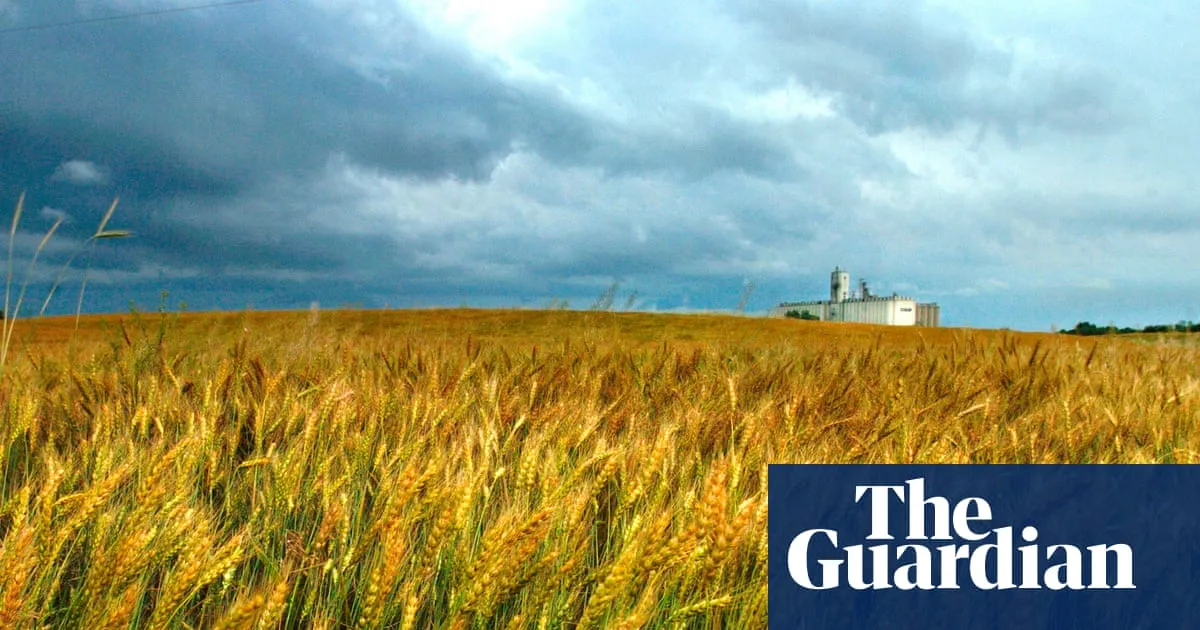
The case centred on the pathogen Fusarium graminearum, a toxic fungus that can attack crops such as wheat, barley, maize and rice. Jian, 33, was arrested in June after allegedly conspiring with her boyfriend, Zunyong Liu, to study and nurse the fungus at a university lab. Liu was caught carrying small samples of the pathogen while arriving at Detroit airport in 2024.
Judge Susan DeClercq described the case as “very strange” and involving an “incredibly accomplished researcher”. While federal prosecutors sought a two-year prison sentence, the judge ruled that the five months Jian had already spent in custody was sufficient. She will now be released and deported to China.
Assistant US attorney Michael Martin argued there was potential for “devastating harm” from the pathogen, though he did not elaborate. However, he conceded, “I don’t have evidence that she had evil intent.” Roger Innes, an expert at Indiana University who reviewed the evidence for Jian’s defence, said there was “no risk to US farmers, or anyone else”.
In a letter to the court, Jian apologised and explained her actions: “I did not follow the rules because I was under pressure to proceed with research and produce results. The research was not to harm anyone, but instead to find ways to protect crops from disease.” The court heard that Jian had asked a colleague in China to send the biological material hidden inside a book, which was intercepted by US agents.
Liu, also charged in the investigation, remains in China and is unlikely to return to the US. Fusarium graminearum is widely found in American fields, but it is illegal to bring it into the country without a government permit, which the university did not have.




