Saudi Arabia's Potential Uranium Enrichment Sparks Proliferation Fears in Proposed US Deal
Experts are raising alarm that Saudi Arabia may develop uranium enrichment capabilities as part of a proposed nuclear agreement with the United States, according to congressional documents and arms control analysts. This potential development emerges amid heightened atomic tensions between Iran and America, with significant implications for regional security.
Proliferation Risks and Regional Complexities
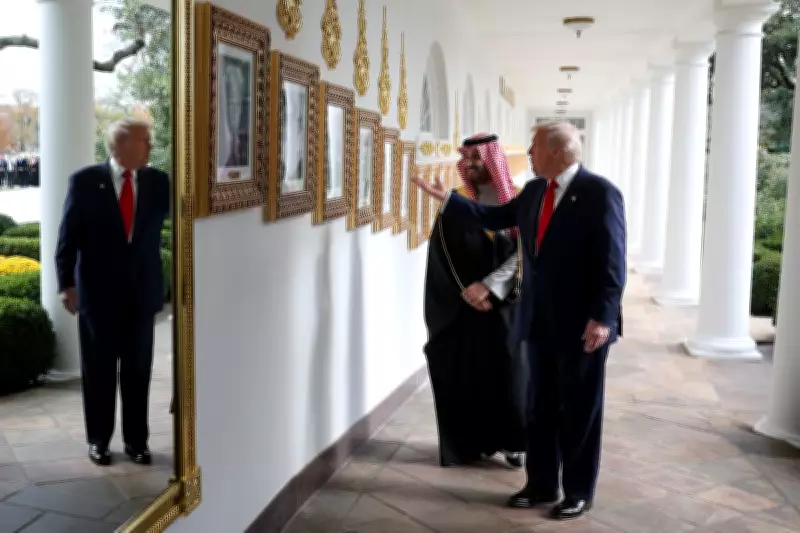
Both former President Donald Trump and President Joe Biden have previously sought to negotiate nuclear technology sharing with Saudi Arabia. However, nonproliferation specialists warn that operational centrifuges in the kingdom could facilitate a potential weapons programme. This concern is amplified by Crown Prince Mohammed bin Salman's past statements suggesting Saudi Arabia might pursue nuclear weapons if Iran acquires an atomic bomb.
Adding to regional complexities, Saudi Arabia and nuclear-armed Pakistan entered a mutual defence pact last year following an Israeli attack on Qatar targeting Hamas officials. Pakistan's defence minister subsequently declared that his nation's nuclear programme "will be made available" to Saudi Arabia if needed, widely interpreted as a warning to Israel, traditionally considered the Middle East's sole nuclear power.

Expert Analysis and Congressional Documents
"Nuclear cooperation can be a positive mechanism for upholding nonproliferation norms and increasing transparency, but the devil is in the details," wrote Kelsey Davenport, director for nonproliferation policy at the Washington-based Arms Control Association. The documents indicate "concerns that the Trump administration has not carefully considered the proliferation risks posed by its proposed nuclear cooperation agreement with Saudi Arabia or the precedent this agreement may set."
The congressional document, also reviewed by The Associated Press, reveals the Trump administration aims to secure 20 nuclear business deals globally, including with Saudi Arabia, potentially worth billions of dollars. It argues that an agreement with the kingdom "will advance the national security interests of the United States, breaking with the failed policies of inaction and indecision that our competitors have capitalized on to disadvantage American industry and diminish the United States standing globally in this critical sector."
International Safeguards and Enrichment Concerns
The draft agreement would involve America and Saudi Arabia establishing safeguard arrangements with the International Atomic Energy Agency (IAEA), the United Nations' nuclear watchdog. These would include oversight of "most proliferation-sensitive areas of potential nuclear cooperation," specifically listing enrichment, fuel fabrication and reprocessing as potential areas.
"This suggests that once the bilateral safeguards agreement is in place, it will open the door for Saudi Arabia to acquire uranium enrichment technology or capabilities — possibly even from the United States," Davenport noted. "Even with restrictions and limits, it seems likely that Saudi Arabia will have a path to some type of uranium enrichment or access to knowledge about enrichment."
While enrichment alone doesn't guarantee nuclear weapon development—requiring additional steps like synchronized high explosives—it creates weaponization possibilities that have fueled Western concerns about Iran's programme.
Regional Comparisons and Geopolitical Context
The United Arab Emirates, Saudi Arabia's neighbour, signed a "123 agreement" with the US to build its Barakah nuclear power plant with South Korean assistance, but without seeking enrichment—a model nonproliferation experts consider the "gold standard" for nations pursuing atomic power.
The push for a Saudi-US deal coincides with Trump threatening military action against Iran unless it reaches a nuclear agreement. This follows nationwide protests in Iran that prompted a bloody government crackdown, resulting in thousands killed and tens of thousands detained.

Iran has long maintained its nuclear enrichment programme is peaceful, though the West and IAEA assert it had an organized military nuclear programme until 2003. Tehran has enriched uranium to 60% purity—just a technical step from weapons-grade 90% levels—making it the only country globally to achieve this without a weapons programme. While Iranian officials cite Supreme Leader Ayatollah Ali Khamenei's religious edict against atomic bombs, they've increasingly threatened to pursue weapons as tensions with the US escalate.
Crown Prince Mohammed bin Salman has explicitly stated: if Iran obtains the bomb, "we will have to get one." This declaration, combined with the proposed US-Saudi nuclear cooperation, underscores the delicate balance between peaceful nuclear energy and proliferation risks in a volatile region.