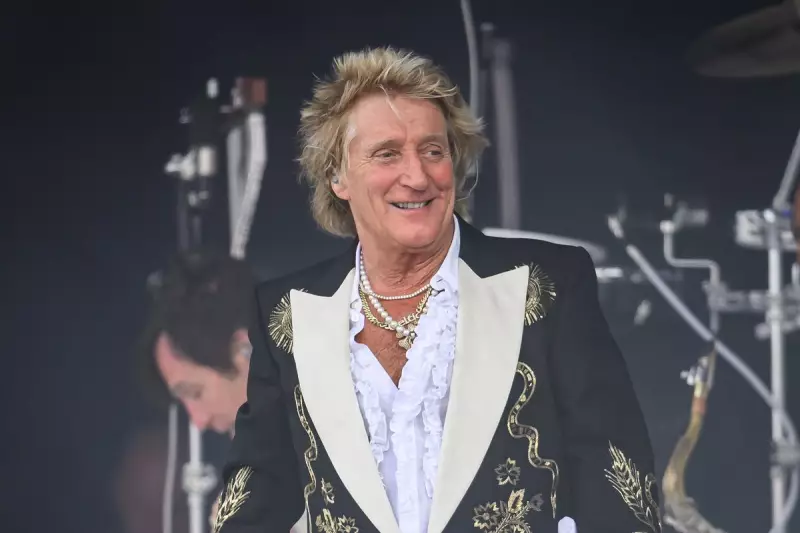
British rock icon Rod Stewart has launched a scathing attack on former US President Donald Trump, branding him a "draft dodger" and stating that his recent comments about NATO allies in Afghanistan "hurt me badly". The outburst follows controversial remarks made by Trump in a Fox News interview, where he downplayed the role of NATO forces during the conflict.
Trump's Controversial NATO Claims
During the interview, Donald Trump falsely asserted that NATO soldiers "stayed a little back, a little off the front lines" in Afghanistan, a statement that has been widely condemned as inaccurate and disrespectful. This portrayal significantly minimises the substantial contributions and sacrifices made by troops from allied nations throughout the prolonged military engagement.
Stewart's Emotional Response
Rod Stewart, known for his patriotic support of British armed forces, expressed profound personal offence at Trump's allegations. He highlighted the tragic loss of over 400 British service members during the Afghanistan campaign, emphasising that their bravery and commitment should never be questioned or belittled. Stewart's passionate critique underscores a deep-seated respect for military personnel and their families.

Call for Political Action
In his remarks, Stewart urged British Prime Minister Keir Starmer to formally demand an apology from Donald Trump for the disparaging comments. This call to action reflects broader concerns about maintaining strong international alliances and ensuring that the sacrifices of soldiers are honoured appropriately in public discourse.
Trump's Subsequent Praise
Following a reported phone conversation with Prime Minister Starmer, Donald Trump appeared to moderate his stance. In a subsequent post on his Truth Social platform, he praised the "great and very brave soldiers of the United Kingdom", acknowledging their valour. This shift, however, has done little to assuage the anger sparked by his initial claims.
The incident has ignited a significant debate about historical accuracy, diplomatic relations, and the importance of recognising military service. As figures from both the entertainment and political spheres weigh in, the controversy highlights ongoing tensions in transatlantic discourse and the enduring impact of the Afghanistan conflict on public memory and international camaraderie.