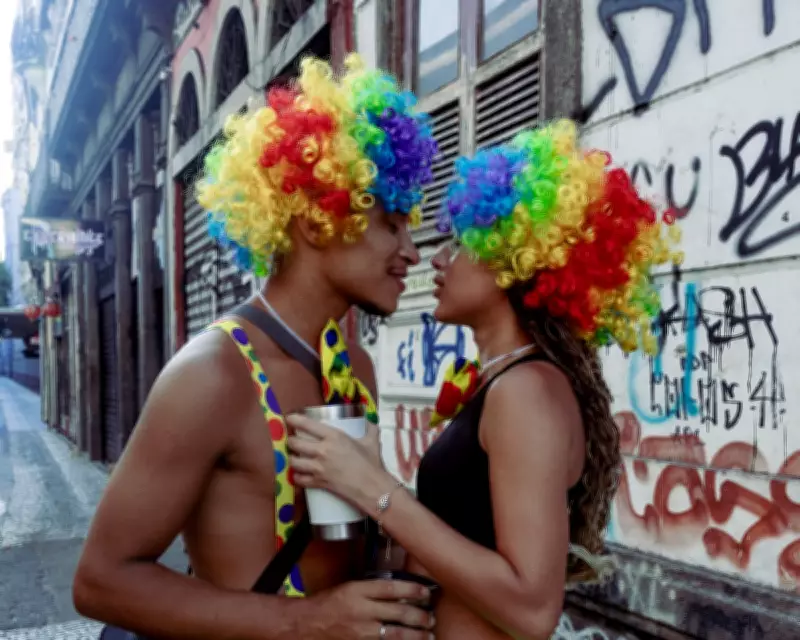
Rio de Janeiro's carnival in 2026 presented a breathtaking spectacle of contrasts, where opulence met deprivation and joyous celebration intertwined with relentless toil. This annual festival, held in the heart of Brazil, not only dazzles with its visual splendor but also delves into profound themes of power and authority. In a nation boasting the world's largest Catholic population, the streets were awash with provocative nun costumes, while revellers donned sexy police outfits, revealing carnival's inherently subversive spirit. Through street theatre and playful antics, traditional figures of authority were softened, inverted, and reimagined, offering a temporary escape from societal norms.
Vibrant Street Scenes and Community Spirit
The carnival unfolded across iconic neighbourhoods like Lapa and Santa Teresa, where block parties and parades brought communities together. In Santa Teresa, residents sprayed water from hoses to cool off revellers, embodying a sense of shared joy and resilience. Meanwhile, in Lapa, samba drummers performed on street corners, filling the air with infectious rhythms as people danced around street vendors and their children. These moments highlighted the hard labour behind the festivities, from vendors pushing carts to musicians practicing for hours, all contributing to the carnival's vibrant tapestry.
Costumes and Characters: A Playful Rebellion
Costumes played a central role in expressing carnival's rebellious nature. Gizelle dressed as a devil in Lapa, while Lucas Couto posed in a Snow White costume in Santa Teresa, showcasing the festival's creative diversity. Notably, two Rio residents dressed as nuns shared a kiss on Terça-feira Gorda, the final day of official celebrations, symbolizing a playful challenge to religious conventions. Other participants, like Alé striking a pose in a shop or Pêssego outside a corner store, added personal flair to the collective experience, emphasizing individuality amidst the crowds.

Contrasts in Urban Landscapes
The visual narrative of the carnival also captured stark urban contrasts. Partygoers in fancy dress enjoyed block parties in Santa Teresa, while others sought shelter in the shade from the afternoon heat. A moto taxi navigated through dense crowds of paradegoers, illustrating the bustling energy of the city. At the Sambadrome Marquês de Sapucaí, the epicenter of samba school competitions, Andreza Kakau waited outside, reflecting the formalized aspects of the festival juxtaposed with spontaneous street celebrations. TVs in cornershops broadcasted news coverage of these competitions, blending media with grassroots participation.
Throughout the event, photographs by Avery Leigh White documented intimate moments, such as Monique taking a cigarette break during a rainy brass band parade or Sandra enjoying a street party near the Lapa arches. These images underscored the human element behind the spectacle, from residents making their way through hilly terrains to revellers lifting red folding fans in the heat. The Turma Vingança Anchieta group posed outside the Lapa arches, embodying the communal pride and artistic expression that define Rio's carnival.
In summary, the 2026 Rio de Janeiro carnival was a multifaceted celebration that explored themes of power, community, and rebellion through its visual and performative elements. By blending wealth with poverty, labour with leisure, and tradition with subversion, it offered a poignant reflection on Brazilian society, all captured in a series of compelling photographs that bring the festival's spirit to life.