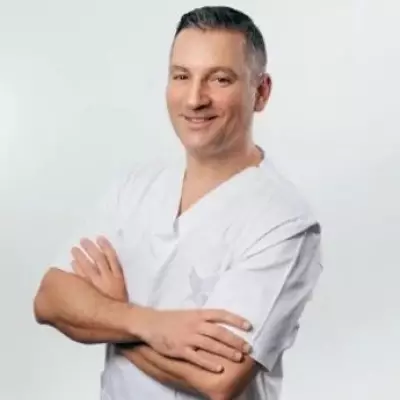
A vascular surgeon has issued a stark warning about subtle leg symptoms that millions of people dismiss daily, revealing that these could be early indicators of a more serious underlying condition. Dr. Rema Malik, a Houston-based specialist who shares educational content with her over 95,000 Instagram followers, explained that vein disease does not develop overnight. Instead, it sends quiet signals for months or even years before what she described as the 'real damage' begins.
Early Warning Signs
According to Dr. Malik, one of the earliest clues is a heavy, tired feeling in the legs that appears by mid-afternoon. Many attribute this to a long day or general fatigue, but she explained that it can actually indicate that blood is no longer circulating efficiently and is beginning to pool in the veins. This sluggish circulation often accompanies swelling that does not fully resolve overnight. While occasional swelling may be harmless, persistent puffiness that lingers into the next day could point to a deeper issue with the vein valves, which are designed to push blood back toward the heart.
Visible Changes and Misconceptions
Visible changes, such as bulging or enlarged veins on the legs, are among the more recognizable signs but are frequently dismissed as cosmetic. Dr. Malik has repeatedly pushed back on this assumption, warning that so-called spider veins are often 'the tip of the iceberg' for underlying disease. Medically, these surface veins are frequently linked to chronic venous insufficiency, a condition where damaged valves allow blood to flow backward and collect in the lower limbs, increasing pressure within the vein walls.

Over time, this pressure can affect the surrounding skin. Dr. Malik noted that darkening around the ankles is a particularly concerning sign, often indicating more advanced venous insufficiency. What might appear as simple discoloration is, in reality, a marker that circulation has been compromised for some time.
Other Symptoms and Risks
Other symptoms can be confusing. Some patients report itching or a burning sensation over a vein, while others experience sudden leg cramps that wake them at night. These are often brushed off as dehydration, aging, or mineral deficiencies, but Dr. Malik said they can be closely linked to vein dysfunction. Perhaps most alarming is the development of a wound near the ankle that refuses to heal. According to the surgeon, this is a red flag that circulation is now critically impaired, meaning the body struggles to deliver oxygen and nutrients needed for repair.
'Your veins don't fail overnight,' she explained. 'They send signals for months - sometimes years - before the real damage sets in.' Her warning builds on previous advice that leg pain, heaviness, and so-called 'restless legs' should never be normalized, particularly in people in their 30s and 40s.
Treatment and Prevention
While many are told these symptoms are simply part of getting older, Dr. Malik insists they are classic indicators of venous disease. She has also cautioned against relying on quick fixes, from supplements to topical creams, noting that while compression socks can help manage discomfort, they do not correct the underlying mechanical problem of faulty vein valves. Without proper investigation, often involving an ultrasound to assess blood flow, treating only visible symptoms can allow more serious disease to progress unnoticed.
The message is to pay attention early, because when vein disease is caught sooner, treatment is typically far more straightforward and, in many cases, more likely to be covered by insurance.