Rio Carnival 2024: A Nationwide Spectacle of Music and Dance
The iconic Rio Carnival has officially kicked off, marking the start of Brazil's annual five-day festival of exuberance and celebration. From Friday through Tuesday, cities across the nation are alive with the sounds of percussion, the sight of glitter-covered revellers, and the vibrant energy of street parades. This Catholic tradition serves as a final burst of indulgence before the solemn period of Lent begins on Ash Wednesday.
Nationwide Celebrations and Samba Spectacles
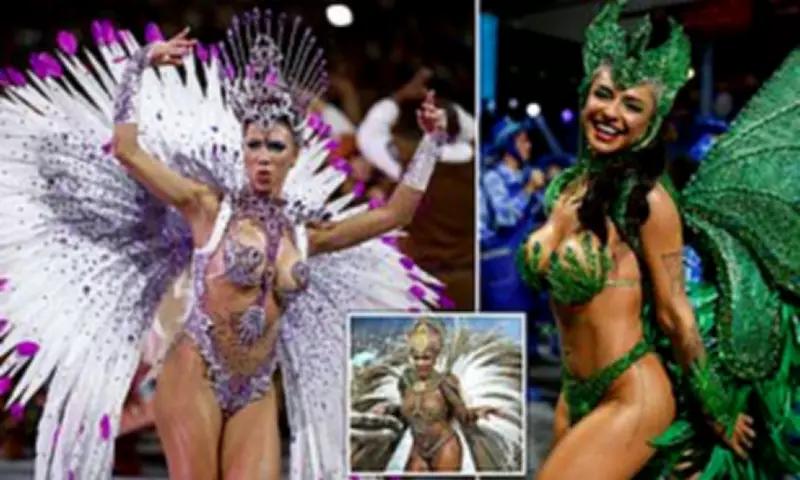
While Rio de Janeiro remains the epicentre of festivities, with an estimated six million attendees expected this year, carnival celebrations have spread throughout Brazil. The most anticipated events are the meticulously choreographed samba school parades, where performers who have trained for months showcase their talents on enormous floats while wearing elaborate costumes. These competitive displays are hosted in multiple cities including Rio, Sao Paulo, Vitoria, and Olinda, with judging panels ultimately crowning winners.
Rio's famed Sambodrome, capable of seating approximately 80,000 spectators, forms the heart of the city's celebrations. The venue resonates with the sounds of drums, cymbals, and trumpets as locals and international visitors alike flock to witness the spectacular dance performances. This year's parade themes are particularly diverse, honouring sex workers, commemorating the late Brazilian singer-songwriter Rita Lee, and celebrating Black communities within the Amazon region.

Street Parties and Symbolic Traditions
Beyond the organised parades, thousands of partygoers have taken to the streets, many adorned in minimal clothing and sparkling glitter, creating their own spontaneous celebrations. One such reveller, 48-year-old entrepreneur Braulio Ferreira, participated in Rio's iconic Carmelitas street party dressed as horror character Jason Voorhees. "It's very nice and satisfying to see so many people happy from abroad, enjoying carnival with full-on happiness," Ferreira remarked.
The carnival officially commences when Rio de Janeiro Mayor Eduardo Paes selects the symbolic King Momo, who presides over the festivities. This year's monarch is 30-year-old Danilo Vieira, a Rio native who received the key to the city, initiating his five-day "reign." "The rules still apply, of course," Vieira stated before his coronation. "We have to follow the rules of our city, our country, but Carnival is run by me. Carnival is love, carnival heals. A kind of magic happens, bringing joy to every heart, to all races, to everyone." In 2024, Mayor Paes formalised this tradition by decreeing the King Momo ceremony an annual official event.
Security Challenges and Safety Measures
Despite the celebratory atmosphere, concerns have emerged regarding safety during the carnival period. A recent wave of thefts by groups of young people at carnival events in Rio has prompted calls for enhanced security measures. Many citizens have urged both Mayor Paes and Rio Governor Claudio Castro to prioritise reveller safety.
Former local councillor Luciana Boiteux expressed her apprehensions on social media, demanding improved lighting and preventative community policing. "Carnival is meant to be a time of joy, but what we've been seeing at the street parties in Rio, beyond the fun, is fear," she wrote.
In response, Rio's City Hall public order department and municipal police have implemented a special patrol operation. Approximately 1,100 agents have been deployed to monitor street parties from beginning to end, while teams specialising in addressing violence against women will be stationed at key locations to provide support and guidance throughout the celebrations.