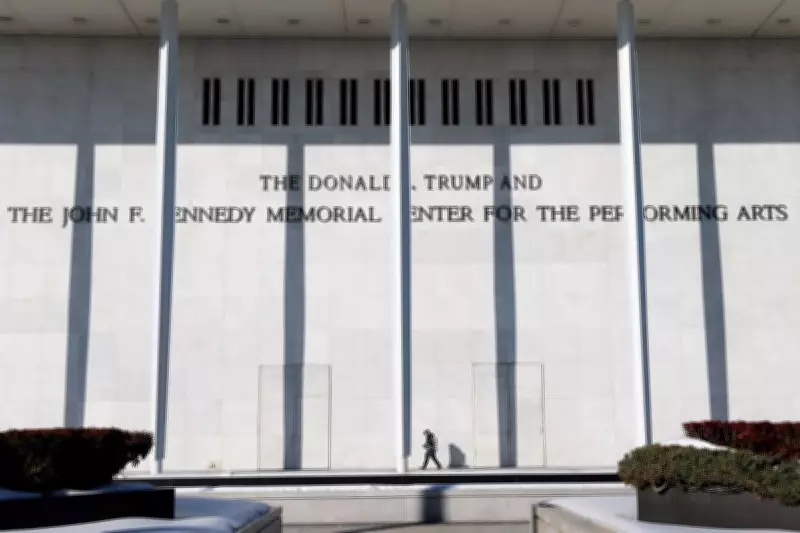
Richard Grenell, a prominent Republican foreign policy adviser and ally of former President Donald Trump, has announced his resignation as president of the Kennedy Center. This decision follows his implementation of extensive changes at the iconic performing arts venue, which resulted in a significant departure of artists from the institution.
Controversial Leadership and Artist Exodus
Grenell, who has long been involved in Republican foreign policy circles, oversaw a series of far-reaching transformations at the Kennedy Center during his tenure. These changes, described as sweeping and divisive, prompted numerous artists to abandon the venue, citing disagreements with the new direction and policies introduced under his leadership.
Confirmation of Departure
The news of Grenell's impending resignation was first reported by Axios on Friday, March 13, 2026. It was subsequently verified by an anonymous source familiar with the plans, who spoke on condition of anonymity because the information had not yet been made public. This development marks a significant shift for the Kennedy Center, which has been a cornerstone of American performing arts for decades.
The Kennedy Center, located in Washington, D.C., is renowned for hosting a wide array of cultural events and performances. Grenell's presidency was marked by efforts to reshape its programming and operational strategies, but these initiatives faced backlash from the artistic community. Many performers and creators expressed concerns that the changes compromised the center's traditional values and artistic integrity.
As Grenell prepares to step down, the Kennedy Center faces the challenge of rebuilding relationships with artists and stabilizing its reputation in the wake of the controversy. The institution's board of trustees is expected to begin the search for a new president shortly, with a focus on restoring confidence and fostering a more inclusive environment for the arts.
This resignation underscores the ongoing tensions between political appointees and cultural institutions, highlighting the delicate balance required to lead such organizations without alienating key stakeholders. The Kennedy Center's future direction will be closely watched by both the arts community and political observers as it navigates this transitional period.