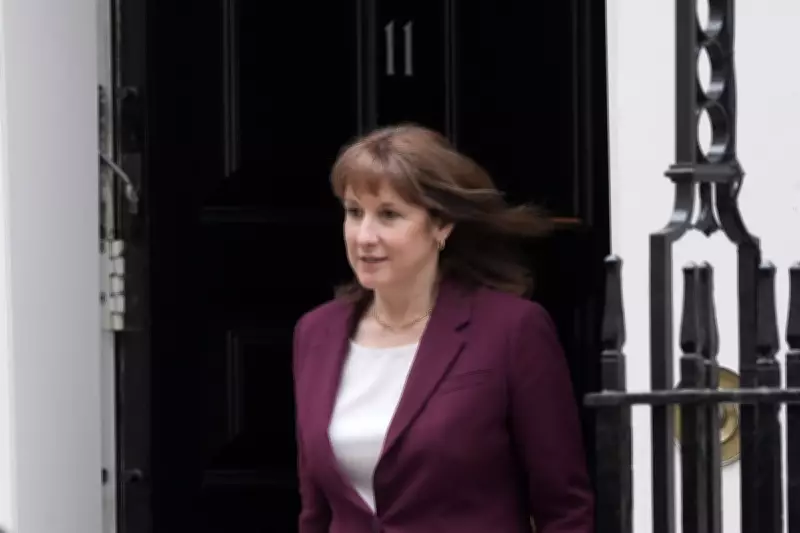
Chancellor Rachel Reeves has escalated her condemnation of the United States and Israel's military strikes against Iran, declaring the war a "mistake" that has failed to make the world a safer place. Speaking during a high-profile visit to Washington, the Chancellor expressed deep scepticism about the outcomes of the recent conflict.
Diplomatic Channels Were Open, Says Reeves
At an event hosted by CNBC in the US capital, Reeves argued that diplomatic negotiations aimed at preventing Iran from acquiring a nuclear weapon should have been allowed to proceed uninterrupted. She emphasised that formal discussions were already underway before hostilities began, making the decision to end them and enter into conflict a significant error.
Questioning the Goals of the Military Campaign
The Chancellor highlighted a profound confusion surrounding the objectives of President Donald Trump's military campaign. "If the aim is to now get diplomatic negotiations, well, they were already happening before the conflict started," Reeves stated. She pointed out that the lack of clarity about the war's goals has led to severe economic repercussions globally, particularly affecting allies in the Gulf region such as Saudi Arabia, Qatar, and the UAE.

Economic and Security Fallout
Reeves detailed the consequences of Iran's retaliation, which included strikes against Gulf states and the closure of the vital Strait of Hormuz, a crucial route for oil and gas shipping. This disruption has had immense impacts on economies worldwide, exacerbating instability in an already volatile region.
A Call for Diplomacy Over Conflict
Reiterating her stance, the Chancellor said, "The question is not whether you like or dislike the Iranian regime – I strongly dislike the Iranian regime – but how to achieve the change that you want to achieve." She asserted that Iran does not currently possess a nuclear weapon and that diplomacy remains the most effective means to prevent the Tehran regime from obtaining one.
International Efforts to Reopen the Strait of Hormuz
Prime Minister Sir Keir Starmer and French President Emmanuel Macron are set to lead talks on an international initiative to reopen and secure the Strait of Hormuz once hostilities cease. Reeves expressed willingness for the UK to participate but noted, "The Strait of Hormuz was open, there was no tolling, a few weeks ago. Yes, we want to get back there, but I'm not convinced that this conflict has made the world a safer place."
In conclusion, Chancellor Rachel Reeves' remarks in Washington underscore a firm belief that the war against Iran has undermined rather than bolstered global security, advocating for a return to diplomatic solutions to address international tensions.