Speculation Mounts Over Putin's Whereabouts as Zelensky Jokes About Time
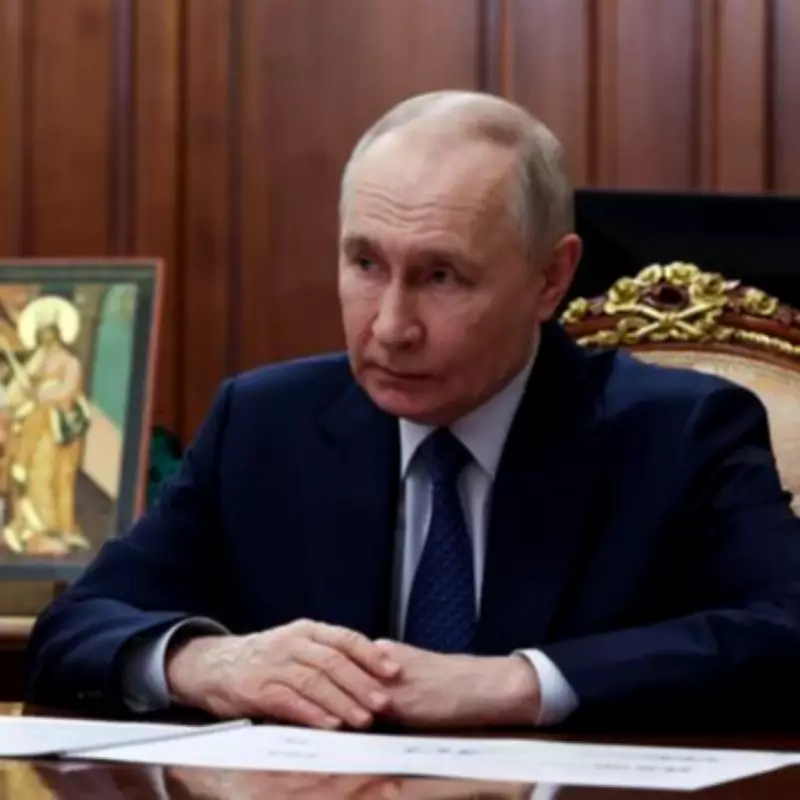
President Vladimir Putin's unexplained absence from public view for more than a week has ignited intense speculation about his status and health. The Russian leader, aged 73, has not been seen in live appearances recently, with state media broadcasts potentially using pre-recorded footage. This mysterious disappearance coincides with Ukrainian President Volodymyr Zelensky's pointed remarks at the Munich Security Conference, where he suggested Putin "doesn't have too much time" remaining.
Zelensky's Munich Conference Remarks
During a Politico-hosted event in Munich, a defiant President Zelensky, 48, drew laughter from the audience as he joked about his Russian counterpart's limited time. "Not too much time. He has, God bless, not too much time," Zelensky stated, highlighting their age difference while making the pointed comment. The Ukrainian leader's remarks came amid ongoing conflict between their nations and added fuel to existing theories about Putin's condition.
Historical Pattern of Disappearances
While Putin rarely takes traditional holidays, it is not uncommon for him to vanish from public view for brief periods. However, the Kremlin's consistent refusal to provide explanations for these absences typically fuels conspiracy theories and wild speculation. Jacob Jugashvili, grandson of Soviet dictator Joseph Stalin, has even suggested Putin is "very likely" already deceased, though no evidence supports this claim. The Kremlin has repeatedly denied various health allegations about Putin, including persistent rumors about cancer diagnoses.

UK Accuses Kremlin of Navalny Poisoning
Simultaneously, the United Kingdom has formally blamed the Russian government for the death of opposition leader Alexei Navalny. Foreign Office analysis of material samples from Navalny's body revealed the presence of epibatidine, a lethal toxin derived from poison dart frogs native to South America. "Only the Russian Government had the means, motive and opportunity to deploy this lethal toxin against Alexei Navalny during his imprisonment in Russia," stated Foreign Secretary Yvette Cooper.
Cooper met with Navalny's widow, Yulia Navalnaya, at the Munich Security Conference, where Navalnaya had originally announced her husband's death two years prior. The Foreign Secretary emphasized Britain's "fierce determination" to uncover the truth about Navalny's death, describing the poisoning as part of a "barbaric plot to silence his voice."
International Condemnation and Evidence
A joint statement from Britain, Sweden, France, Germany, and the Netherlands confirmed their governments' confidence that Navalny was poisoned with the lethal toxin. The nations noted that epibatidine "is not found naturally in Russia" and that poisoning was "highly likely the cause of his death" given the toxin's properties and reported symptoms. The statement also referenced Russia's previous use of Novichok nerve agent against Navalny in 2020 and in the Salisbury poisonings of 2018, demonstrating a pattern of chemical weapons disregard.
The allies accused Russia of violating international law and the Chemical Weapons Convention, noting that Moscow's claim to have destroyed all chemical weapons in 2017 appears false. Britain has pledged to continue exposing the Kremlin's use of chemical and biological weapons as these developments unfold alongside the mystery surrounding Putin's current whereabouts.