Putin Hosts Trump Envoys in Midnight Moscow Talks Ahead of Abu Dhabi Summit
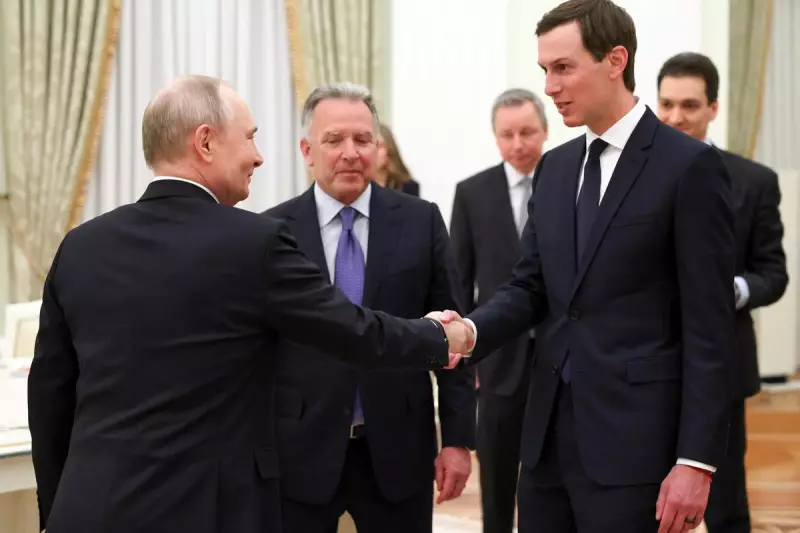
Russian President Vladimir Putin engaged in a late-night diplomatic session on Thursday, meeting with three envoys dispatched by former US President Donald Trump to discuss a potential resolution to the ongoing conflict in Ukraine. The high-stakes meeting, which occurred shortly before midnight in Moscow, involved Steve Witkoff, Jared Kushner, and Josh Gruenbaum, as the parties sought to narrow differences ahead of a crucial trilateral summit scheduled for Friday in Abu Dhabi.
Key Sticking Points in the Negotiations
According to sources familiar with the discussions, several significant obstacles remain on the path to a sustainable peace agreement. Russia has reportedly demanded that Ukraine cede approximately 20% of the eastern Donetsk region, a contentious territorial claim that has been a focal point of the conflict. Additionally, Moscow insists that Kyiv formally renounce its longstanding ambition to join the North Atlantic Treaty Organization (NATO), a move that would fundamentally alter Ukraine's strategic alignment and security posture.
Ukrainian President Volodymyr Zelensky provided an update following his own discussions with Trump, indicating that security guarantees for Ukraine have been finalised. However, he emphasised that the critical issue of territorial concessions remains unresolved, highlighting the delicate balance between ensuring national sovereignty and achieving a ceasefire.

Implications for the Upcoming Trilateral Summit
The midnight meeting in Moscow sets the stage for a pivotal trilateral gathering in Abu Dhabi, where negotiators from Russia, Ukraine, and the United States are expected to convene. This marks the first instance of such three-way peace talks since the conflict escalated, underscoring the urgency and complexity of the diplomatic efforts.
In parallel to the security discussions, reports suggest that a deal on Ukraine's post-war economic recovery is nearing completion. This economic component is seen as vital for stabilising the region and supporting reconstruction efforts, potentially involving international aid and investment frameworks. The integration of economic and security negotiations reflects a comprehensive approach to addressing the multifaceted challenges posed by the war.
As the international community watches closely, the outcomes of these talks could significantly influence the geopolitical landscape, with potential ramifications for European security, US foreign policy, and global stability. The involvement of high-profile envoys and the timing of the meetings indicate a concerted push to broker a deal, though significant hurdles persist.