Pope Leo Deliberates Over Trump's $1 Billion Peace Board Invitation
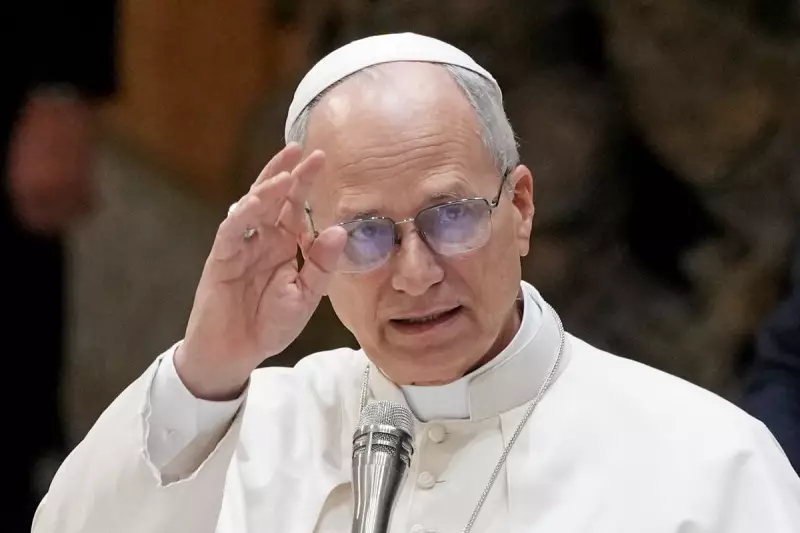
The Vatican has confirmed that Pope Leo is currently evaluating a formal invitation to join U.S. President Donald Trump's newly proposed "Board of Peace." The Pontiff, who is the first American pope and has previously criticised certain Trump administration policies, is carefully weighing his response to this unprecedented diplomatic overture.
Vatican Confirms Deliberations Are Underway
Cardinal Pietro Parolin, the Vatican's Secretary of State and top diplomatic official, told journalists on Wednesday that the invitation had been received and was under serious consideration. "The pope has received an invitation and we are considering what to do," Cardinal Parolin stated. "I believe it will be something that requires a bit of time for consideration before giving a response."
The Vatican press office did not immediately provide additional commentary regarding Cardinal Parolin's remarks, maintaining the institution's characteristically measured approach to diplomatic communications.

Board's Controversial $1 Billion Membership Fee
According to reports, joining Trump's Board of Peace comes with an extraordinary financial requirement: a $1 billion membership fee that would secure permanent participation. A draft charter obtained by The Associated Press indicates this substantial contribution would be necessary for board membership, though the official charter remains undisclosed to the public.
The draft document further suggests that significant authority would be concentrated in President Trump's hands, raising questions about the board's governance structure and decision-making processes.
Expanding Scope Beyond Initial Gaza Focus
Initially conceived to address the ongoing conflict in Gaza, the board's mandate has been substantially expanded by the Trump administration to encompass a much broader global remit. In letters sent to various world leaders inviting them to participate, Trump described the initiative as "a bold new approach to resolving global conflict" that could potentially rival the United Nations Security Council.
This expansion has drawn mixed reactions internationally. While Israel and Egypt have reportedly accepted their invitations, several other nations have expressed caution about participating. Diplomats from various countries have warned that the board's activities could potentially undermine the established work of the United Nations and its conflict resolution mechanisms.
Pope's Diplomatic Record and Gaza Stance
Pope Leo, known for his robust yet quietly effective diplomatic approach since his election last May, has repeatedly condemned the humanitarian conditions faced by Palestinians in Gaza. The Pontiff delivered a particularly forceful sermon on Christmas Eve addressing the issue, highlighting his consistent concern for the region's plight.
The leader of the world's 1.4 billion Catholics rarely participates in international boards, preferring to work through the Vatican's extensive diplomatic service. The Holy See maintains permanent observer status at the United Nations and frequently engages in its debates, making this potential board membership a significant departure from customary Vatican diplomatic practice.
Global Implications and Diplomatic Concerns
The proposed Board of Peace represents a potentially transformative development in international conflict resolution, though its structure and funding model have raised eyebrows across diplomatic circles. With its suggested $1 billion membership fee and concentration of power in U.S. hands, the initiative challenges traditional multilateral approaches to peacekeeping and diplomacy.
As Pope Leo continues his deliberations, the international community watches closely to see whether the Vatican will embrace this unconventional approach to global peacemaking or maintain its traditional diplomatic channels through established international institutions.