Petrol Bomb Attack Targets Albanian Prime Minister's Office in Tirana
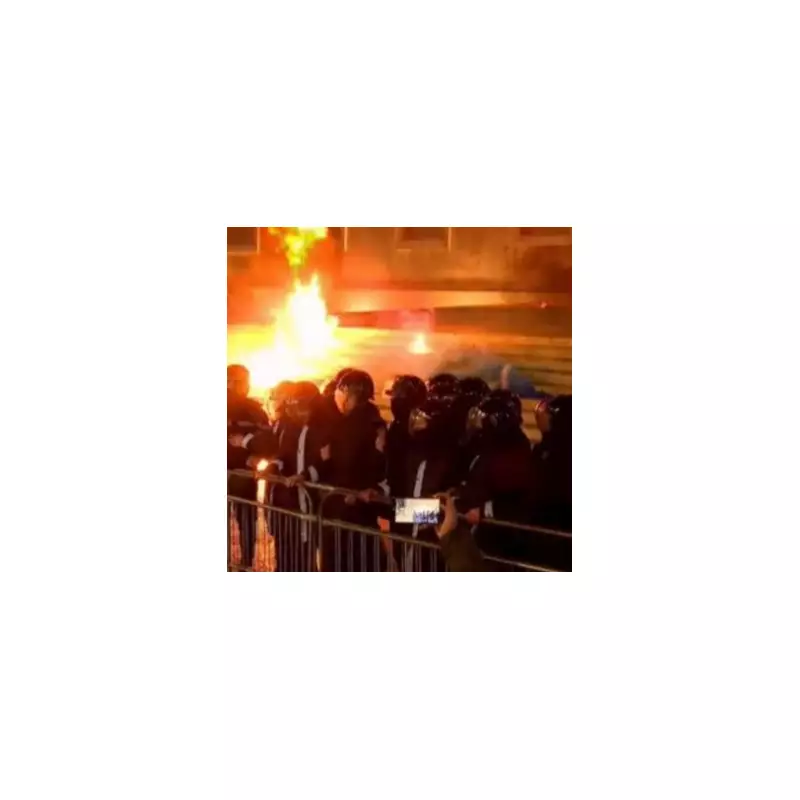
Several police officers have sustained injuries after protesters launched a violent assault on a key government building in the Albanian capital. The incident, which involved the use of petrol bombs and fireworks, has escalated tensions in a nation already grappling with significant political turmoil.
Violent Protests Erupt Amidst Accusations of Corruption
According to local media reports, a crowd gathered in Tirana and directed their aggression towards the office of Albanian Prime Minister Edi Rama. The protesters hurled Molotov cocktails and set off fireworks, causing damage to the premises and resulting in injuries to multiple police officers who were present at the scene.
This violent outburst is not an isolated event but rather a manifestation of a deepening political crisis that has been brewing in Albania. The unrest stems from serious allegations made by anti-corruption prosecutors, who have accused Deputy Prime Minister Belinda Balluku of interfering in major state contracts. These accusations have fueled public anger and distrust, leading to increased demonstrations and now, this direct attack on the seat of government.

Escalating Tensions and Security Concerns
The use of petrol bombs, commonly referred to as Molotov cocktails, represents a significant escalation in protest tactics, moving from peaceful demonstrations to acts of arson and potential endangerment of lives. The injuries to police officers highlight the immediate dangers faced by law enforcement personnel tasked with maintaining order during such volatile situations.
As the situation continues to develop, there are growing concerns about further violence and the stability of the Albanian government. The attack on the Prime Minister's Office serves as a stark reminder of how quickly political disputes can spiral into physical confrontations, with real consequences for public safety and institutional security.
The international community is likely monitoring these events closely, as Albania's political stability has broader implications for regional security and diplomatic relations. The coming days will be critical in determining whether the government can address the underlying grievances or if the protests will intensify further.