Pakistan Bombs Kabul Drug Hospital, Killing 400 Amid Escalating Conflict
Hundreds of civilians have been killed in Pakistani airstrikes targeting a drug rehabilitation centre in Kabul, marking a severe escalation in hostilities between the two neighbouring nations. The Taliban-led government of Afghanistan has accused Pakistan of attacking the Omid addiction treatment hospital late on Monday night, resulting in catastrophic casualties.
Civilian Catastrophe in Kabul
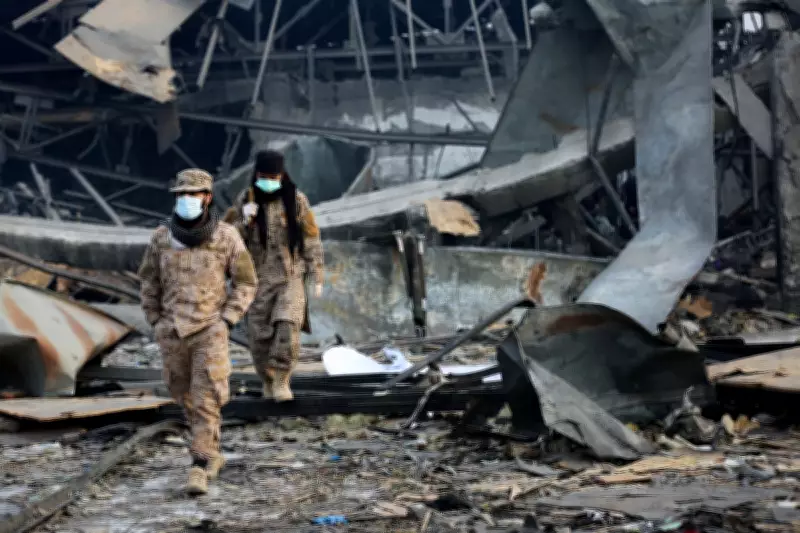
Afghanistan's deputy government spokesperson, Hamdullah Fitrat, confirmed the airstrike hit the 2,000-bed facility around 9pm local time, reducing it to rubble. Social media footage showed massive fires engulfing the hospital, with Taliban officials reporting over 400 deaths and at least 250 injuries. Pakistan has denied targeting civilians, claiming its forces precisely struck military installations and terrorist support infrastructure in Kabul and Nangarhar province.
Open War Declaration
The incident follows Pakistan's declaration of "open war" against Afghanistan on 28 February, after months of tit-for-tat clashes. Pakistani defence minister Khawaja Muhammad Asif stated, "Our cup of patience has overflowed. Now it is open war between us and you." Both sides report heavy losses: Pakistan claims 133 Taliban fighters killed and 27 posts destroyed, while the Taliban says 55 Pakistani soldiers died and 19 posts were seized.

Roots of the Conflict
Tensions have simmered since Pakistan began airstrikes on militant targets in Afghanistan, which the UN says killed 13 civilians earlier. Pakistan alleges militants in Afghanistan are responsible for attacks on its soil, including a 2024 Bajaur district assault that killed 11 security personnel. The Tehreek-e-Taliban Pakistan (TTP), formed in 2007, is often blamed, though Afghanistan denies harbouring insurgents.
Diplomatic Breakdown
A fragile ceasefire brokered by Turkey, Qatar, and Saudi Arabia in October after border clashes killed dozens has now collapsed. Pakistan's information ministry insisted the hospital was miles from its intended target, Camp Phoenix, an abandoned NATO base converted into a treatment centre. However, Kabul residents and a Reuters journalist confirmed the hospital was hit, disputing Pakistan's claims.
International Reactions
China, a key ally of both nations, urged "dialogue and negotiation" on 17 March, pledging a "constructive role" in de-escalation. Regional powers including Iran, Qatar, and Saudi Arabia have called for restraint, with Saudi Arabia emphasising the need for "security and stability in the region." The United States has suggested potential mediation, though India remains notably silent.
Analyst Perspectives
Security analysts warn the strikes indicate failed mediations and a new deterrence framework by Pakistan. Abdullah Khan, a security analyst, noted, "These strikes are likely to further escalate the situation." Scholars suggest Pakistan is signalling that attacks originating from Afghanistan will trigger direct responses, implicating the Taliban as legitimate targets.
Historical Context and Refugee Crisis
The border region has been volatile since the 1979 Soviet-Afghan war, worsening after 9/11 when militant groups operated cross-border. Compounding tensions, Pakistan's deportation of tens of thousands of Afghan refugees—among 3 million who sought refuge—adds friction. The Centre for Research and Security Studies reports over 2,400 Pakistani security forces killed in 2025 alone, highlighting the conflict's intensity.
What Next?
While analysts doubt a full-scale war due to Afghanistan's weaker conventional military, the border is expected to remain tense. Pakistan has signalled continued action against militants crossing from Afghanistan, risking further civilian casualties. The international community's calls for diplomacy may be crucial in preventing a broader regional crisis, but with both sides entrenched, immediate de-escalation appears uncertain.