
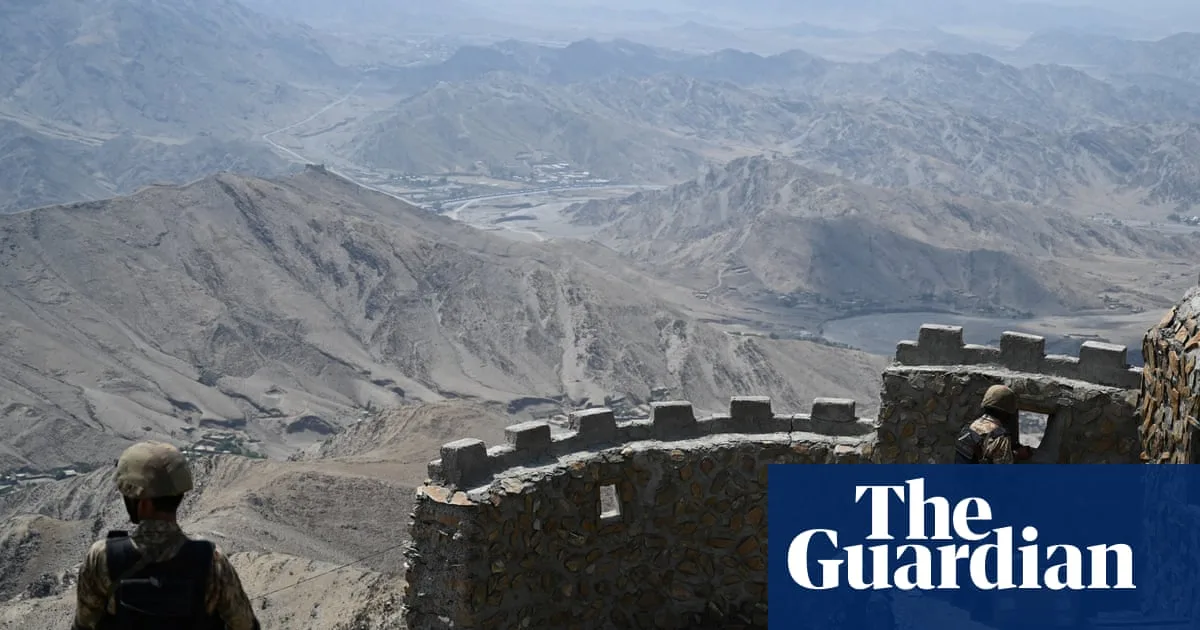
Intense clashes erupted along the Pakistan-Afghanistan border on Saturday night, following an attack by the Afghan Taliban on Pakistani military posts that led to a heavy exchange of fire. According to officials, Afghan troops opened fire on Pakistani army posts along the north-western border and seized several posts, in what Pakistan described as an attempt to 'facilitate terrorism'.
The escalation came after the Taliban regime in Afghanistan accused Pakistan of carrying out airstrikes on Afghan territory, including in Kabul, earlier this week. Pakistan has neither denied nor confirmed the strikes, stating only that it had carried out 'a series of retribution operations'. On Sunday, Pakistan responded with retaliatory strikes, gunfire and ground raids on Afghan Taliban posts along the border.
In a statement, the media wing of the Pakistan military said 23 soldiers had been killed and another 29 wounded in the attacks. They claimed that 200 'Taliban and affiliated terrorists' from the Afghan side were killed in their retaliatory strikes and that terrorist training camps had been dismantled. The Taliban spokesperson Zabihullah Mujahid had earlier claimed that Taliban forces killed 58 Pakistani soldiers, while just nine from the Taliban side were killed.
The clashes signal a new low in Afghan-Pakistan relations, which have become increasingly hostile amid claims that Afghanistan is giving a safe haven to Islamist militants carrying out deadly attacks on Pakistani soil. Since the Taliban returned to power in 2021, Pakistan has accused them of sheltering the Pakistani Taliban (TTP), an Islamist militant group behind a rise in insurgent attacks in Pakistan's border region of Khyber Pakhtunkhwa.
Analysts say the situation along the border has become highly volatile. Imtiaz Gul, a security analyst based in Islamabad, described the clashes as a 'logical conclusion of the tensions that had been brewing up between the two countries, particularly after the continuous refusal of the Afghan regime to take demonstrable conclusive action' against TTP militants.




