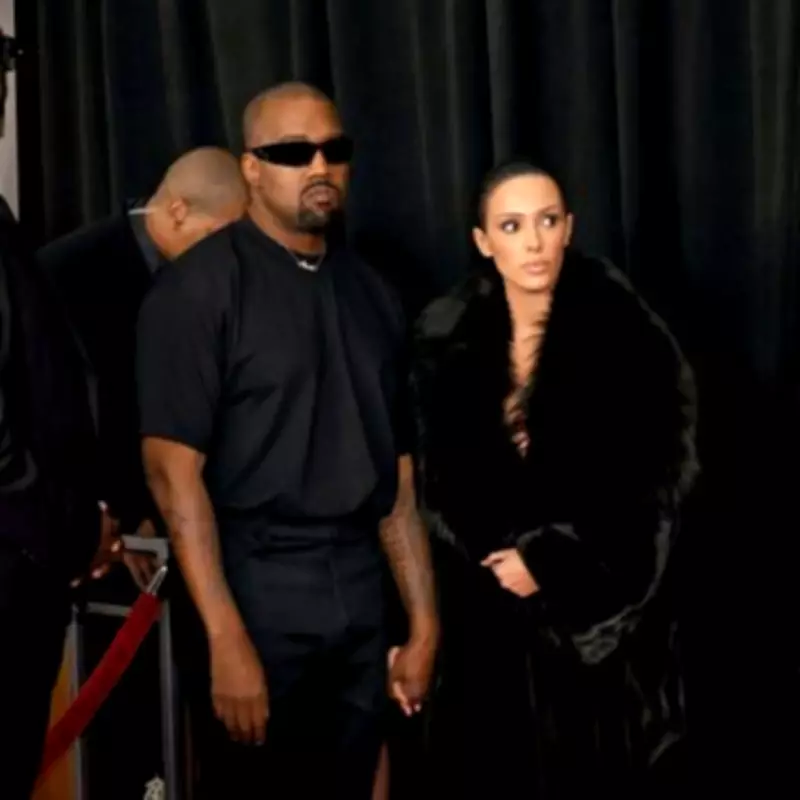
Oscars 2026 Dress Code Rules Explained After Bianca Censori's See-Through Grammy Look
Bianca Censori's entirely transparent Grammy Awards outfit has sparked widespread debate and raised pressing questions about dress code requirements at major award ceremonies, including the prestigious Oscars. As the 2026 Academy Awards approach, understanding the formal guidelines and their historical context becomes crucial for attendees and observers alike.
Historical Context and Formal Expectations
The Academy Awards represent far more than a night of glamour and entertainment; they honour cinema's most distinguished talents for artistic and technical achievements. Decisions by the Academy of Motion Picture Arts and Sciences are among the field's most coveted accolades, and A-listers typically arrive impeccably dressed for the event. While Bianca Censori and Kanye West's contentious appearance occurred at the music industry's Grammy Awards, the Oscars might potentially encounter comparable situations, making it essential to comprehend the rules before proceedings commence.
In 2021, event producers Steven Soderbergh, Stacey Sher, and Jesse Collins provided guidance on COVID-19 measures as the ceremony unfolded amid the pandemic. However, their disclosed correspondence also shed light on sartorial expectations for attendees. The message urged guests to aim for "Inspirational and Aspirational," stating: "In actual words, formal is totally cool if you want to go there, but casual is really not."
Traditional White Tie Dress Code
The more formal "white tie" dress code harks back to the ceremony's beginnings, with official guidance issued in 1968 for the 40th Academy Awards. In a statement, organisers clarified that "actresses are expected to wear formal evening gowns, either maxi or floor length, preferably pastel shades, since the setting is very formal and done entirely in white and gold."
Moreover, they stressed that longer gowns were preferred to maintain the "dignity of this traditional affair," explicitly prohibiting mini or day-length frocks. Notably, there was a clear gender distinction, a point that would be considered controversial by today's standards. They stated: "Men are expected to wear a white tie with conventional formal evening accessories."
Flexible Enforcement and Modern Interpretations
This directive seemed to be reinforced in 2015 when the Academy republished it on its website in a blog entry. Nevertheless, its specific requirements have not always been rigidly enforced, and stars are rarely prevented from attending for violating these somewhat malleable and interpretive guidelines. For instance, Kristen Stewart famously showed off a bit of leg on the red carpet in 2022, entering the main ceremony without any difficulties despite public backlash.
Furthermore, Billy Porter defied gender norms when he combined a skirt with his suit jacket at the 2019 ceremony, showcasing how modern interpretations can challenge traditional expectations. Currently, the Academy has not set a formal dress code for 2026, leaving it up to designers and celebrities to exercise their discretion in determining the acceptable limits of fashion at the event.
Implications for the 2026 Oscars
As the entertainment industry evolves, so too do attitudes towards dress codes at high-profile events. The controversy surrounding Bianca Censori's see-through Grammy look highlights the ongoing tension between tradition and innovation in red carpet fashion. With no strict rules announced for 2026, attendees may push boundaries further, potentially leading to more diverse and expressive outfits that reflect contemporary values.
Ultimately, while historical guidelines provide a framework, the Oscars dress code remains a dynamic aspect of the ceremony, shaped by cultural shifts and individual choices. As celebrities prepare for the 2026 awards, the balance between honouring tradition and embracing modernity will likely continue to be a topic of discussion and debate.