The Unspoken Oscar Category: Best Crying On Stage
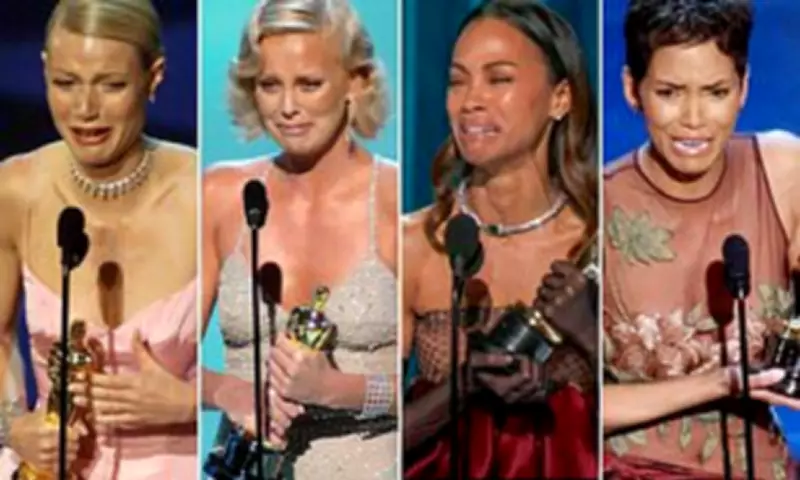
While the Academy Awards are globally recognised for honouring cinematic excellence in categories like Best Actor, Best Actress, and Best Picture, there exists an unofficial, yet perennial, spectacle that captivates audiences year after year: the emotional breakdowns of winners during their acceptance speeches. This phenomenon has become so consistent that one might argue for the introduction of a new, albeit informal, category: Best Crying On Stage.
Why Do Oscar Winners Cry?
It is hardly surprising that recipients become overwhelmed with emotion. Winning an Oscar represents the pinnacle of achievement in the film industry, a moment of profound personal and professional triumph. The pressure to deliver a speech while thanking countless colleagues, family members, and mentors can be immense. With millions of viewers watching live and images that are preserved forever in digital archives, the stakes are incredibly high, making these tearful outbursts both understandable and remarkably human.
Memorable Tearful Moments in Oscar History
The history of the Oscars is dotted with iconic, emotional speeches that have left indelible marks on popular culture.
Gwyneth Paltrow set a high standard for Oscar cry babies in 1999. Upon winning Best Actress for Shakespeare in Love, she sobbed uncontrollably throughout her acceptance speech, particularly when thanking her family, with tears visibly streaming down her face.
Halle Berry delivered one of the most powerful and tearful speeches in 2002 when she became the first black woman to win the Best Actress Oscar for Monster's Ball. Overcome with emotion, she wept openly, declaring through her tears, "This moment is so much bigger than me."
Zoe Saldana joined this elite group in March 2025, winning for Emilia Perez. She struggled to maintain composure from the moment she stepped onto the stage, her voice breaking into squeaky, inaudible sobs as she expressed gratitude to her family.
More Stars Who Couldn't Hold Back the Tears
- Angelina Jolie (2000): Reduced to tears while thanking her family after winning Best Supporting Actress for Girl, Interrupted.
- Octavia Spencer (2012): Wept during her speech for The Help, exclaiming, "I'm sorry, I'm freaking out!"
- Nicole Kidman (2003): Struggled to compose herself after winning Best Actress for The Hours.
- Charlize Theron (2004): Cried accepting Best Actress for Monster.
- Hilary Swank (2007): Wiped away tears winning Best Actress for Million Dollar Baby.
Emotional Speeches Aren't Just for Women
While female winners often receive more attention for their tears, male recipients have also been moved to emotional displays. Ben Affleck famously choked up in 2013 when Argo, which he directed, produced, and starred in, won Best Picture. His voice broke as he dedicated the award to his children and thanked his wife, Jennifer Garner, for her efforts in their marriage.
Other Notable Tearful Winners
Jennifer Hudson (2007) was so overcome with emotion after winning Best Supporting Actress for Dreamgirls that she could barely begin her speech, gushing about her disbelief and her late grandmother. Natalie Portman (2011), pregnant at the time, became teary when thanking her husband for giving her the "greatest role" of motherhood after winning Best Actress for Black Swan. Anne Hathaway (2013) maintained composure on stage for Les Misérables but burst into tears backstage during the photocall.
Veterans like Meryl Streep (seen shedding a tear in 2003), Kim Basinger (1998), and Julia Roberts (2001) have also had their emotional moments, proving that even the most seasoned actors are not immune to the Oscars' emotional rollercoaster.
Looking Ahead to the 87th Academy Awards
As the 87th Academy Awards approach this Sunday evening, nominees would be wise to pack their handkerchiefs and rehearse their speeches. With a slate of contenders including films like Sinners (which leads with 16 nominations), Bugonia, and Hamnet, and actors such as Timothée Chalamet, Emma Stone, and Leonardo DiCaprio in the running, the potential for more tearful, memorable moments is high. Whether it's joy, relief, or sheer overwhelm, the tradition of crying on the Oscar stage is likely to continue, much to the fascination of viewers worldwide.