Unit 731 Film 'Evil Unbound' Sparks Tensions Over Japan's WWII Atrocities
New Film Exposes Horrors of Japan's WWII Unit 731

A powerful new Chinese film is forcing a stark confrontation with one of the darkest chapters of the Second World War, reigniting historical tensions between China and Japan. 'Evil Unbound', directed by Linshan Zhao, graphically portrays the atrocities committed by the Imperial Japanese Army's covert Unit 731, a germ warfare unit that conducted lethal experiments on thousands of civilians in occupied China.

The Unspeakable Crimes of Unit 731

Between 1936 and 1945, Unit 731 operated under the guise of an epidemic prevention and water purification department in Harbin, northeastern China. Its true purpose was the development of chemical and biological weapons. The unit's victims, predominantly Chinese civilians but also Korean, Russian, British, and American prisoners of war, were subjected to unimaginable horrors. They were referred to as 'maruta' or logs, dehumanised as disposable test subjects.

Archival evidence and witness testimony confirm that prisoners were dissected alive without anaesthesia, infected with bubonic plague, typhus, and cholera, and used as human guinea pigs for frostbite experiments. Pregnant women were subjected to vivisections. The unit produced vast quantities of biological agents, including 300 kilos of plague bacteria every month. Plague-infected fleas were dropped on villages, and food was deliberately contaminated.

As Japan faced defeat in 1945, the unit's leader, Lieutenant General Shiro Ishii, ordered the headquarters' demolition to destroy evidence. An estimated 14,000 victims were murdered directly at the facility, with scholars suggesting up to 500,000 may have died from deliberate outbreaks in surrounding areas.

A Cinematic Reckoning and Diplomatic Fallout

The film 'Evil Unbound', released in China on September 18, makes no effort to sanitise these crimes. Its trailer features nightmarish scenes of hooded prisoners, bloody medical tools, and victims being burned alive. The plot follows a fictional anti-Japanese hero who discovers the prison's torture labs and an on-site crematorium.

Its release has significant diplomatic repercussions. Prior to the premiere, the Japanese embassy in Beijing issued a security advisory, urging nationals to be 'vigilant against anti-Japanese sentiment'. The film's debut was also abruptly postponed from July 31, a move speculated to be aimed at reducing diplomatic friction. Chinese state media has vigorously promoted the film, with the Global Times calling it a 'history lesson Japan must not miss'.

This cinematic reckoning is amplified by another recent release, 'Dead to Rights', which depicts the 1937 Nanjing Massacre. Both films highlight Japan's perceived lack of reflection on its wartime past, from textbook revisions to politicians visiting the Yasukuni Shrine.

Echoes of the Past in the Present Day

The legacy of Unit 731 remains a raw wound, not least because perpetrators were never brought to justice. After the war, US authorities secretly granted immunity to unit officials in exchange for their research data. Shiro Ishii died of cancer in 1959, and other members assumed high-ranking positions in government and medicine.

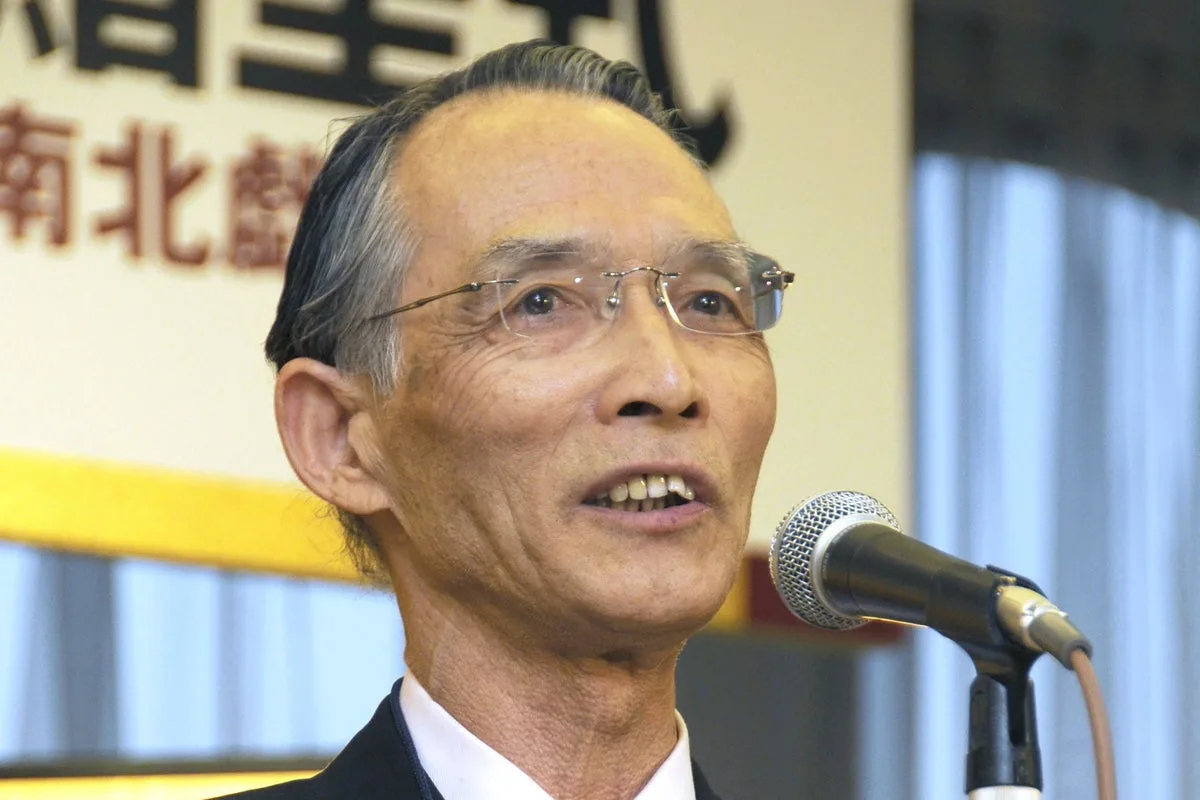
Despite ongoing denial in some Japanese quarters, voices from within have broken decades of silence. Hideo Shimizu, now 95, was a 14-year-old cadet drafted into Unit 731 in 1945. Haunted by memories of specimen jars containing severed limbs and foetuses, he now gives lectures, facing online abuse and being called a liar for his testimony.

A former medical assistant anonymously described his first live dissection to the New York Times: 'He screamed terribly... This was all in a day's work for the surgeons.' Meanwhile, the Japanese government maintains it has found no evidence of experimentation on Chinese prisoners and has never officially apologised for Unit 731's actions.

As films like 'Evil Unbound' plunge these unresolved atrocities back into the spotlight, they intersect with contemporary geopolitical tensions. Military relations between Beijing and Tokyo are at their most strained in over a decade, with disputes over Taiwan adding to the friction. The films ensure that the painful scars of history continue to shape the fraught relationship between the two Asian powers today.




