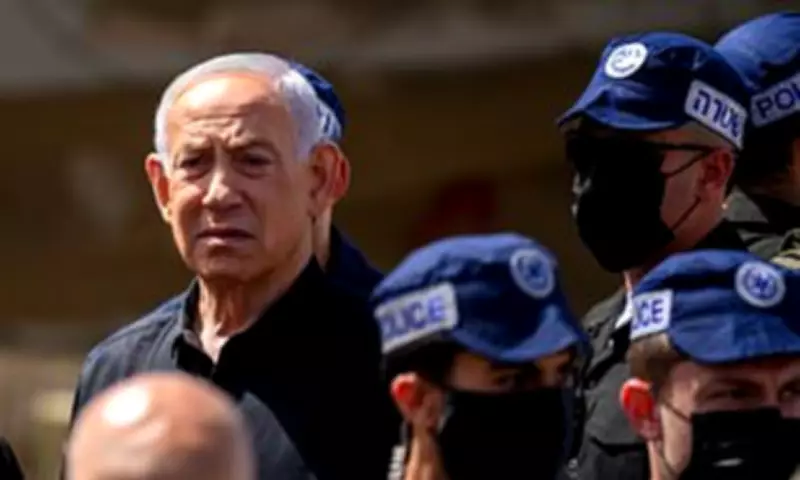
Israeli Prime Minister Benjamin Netanyahu has unleashed a high-stakes 48-hour diplomatic and military blitz aimed squarely at Iran, a move that follows a secretive bunker summit with former United States President Donald Trump. This aggressive strategy, described by insiders as a "doomsday" response, comes as Trump races to broker a comprehensive peace deal in the volatile Middle East region, heightening tensions and drawing global scrutiny.
Secret Bunker Summit Sets Stage for Rapid Action
The clandestine meeting between Netanyahu and Trump took place in a secure, undisclosed bunker location, where they discussed urgent measures to counter Iran's nuclear ambitions and regional influence. Sources close to the matter reveal that the summit was orchestrated to bypass public scrutiny and facilitate candid talks on escalating pressures against Tehran. This covert gathering underscores the deepening alliance between the Israeli leader and the former American president, who has long advocated for a hardline stance against Iran.
Diplomatic and Military Blitz Unfolds
In the wake of the summit, Netanyahu has launched a multifaceted 48-hour blitz that includes intensified diplomatic outreach to allied nations and heightened military readiness. Israeli officials have been instructed to coordinate with international partners to impose stricter sanctions on Iran, while defense forces are on alert for potential retaliatory actions. The blitz is designed to signal Israel's unwavering commitment to preventing Iran from acquiring nuclear capabilities, a goal that has been a cornerstone of Netanyahu's foreign policy for years.

Trump's Role in Peace Deal Negotiations
Simultaneously, Donald Trump is accelerating efforts to finalize a peace deal that could reshape Middle Eastern dynamics. His involvement, though unofficial given his current status as a private citizen, leverages his longstanding relationships with key regional players, including Netanyahu and Gulf state leaders. Trump's team is reportedly pushing for a swift agreement that addresses security concerns while promoting stability, though details remain closely guarded. This dual-track approach—combining Netanyahu's blitz with Trump's diplomatic push—highlights the complex interplay of force and negotiation in the region.
Global Reactions and Implications
The unfolding events have sparked reactions from world leaders and analysts, with many expressing concern over the potential for escalation. European diplomats have called for restraint, urging a return to multilateral talks, while Iranian officials have condemned the actions as provocative and destabilizing. The situation underscores the fragile balance in the Middle East, where geopolitical rivalries often teeter on the brink of conflict. As Netanyahu's blitz progresses, observers are closely monitoring for any signs of Iranian retaliation or breakthroughs in Trump's peace initiatives.
This developing story continues to evolve, with implications for international security and regional peace efforts.