
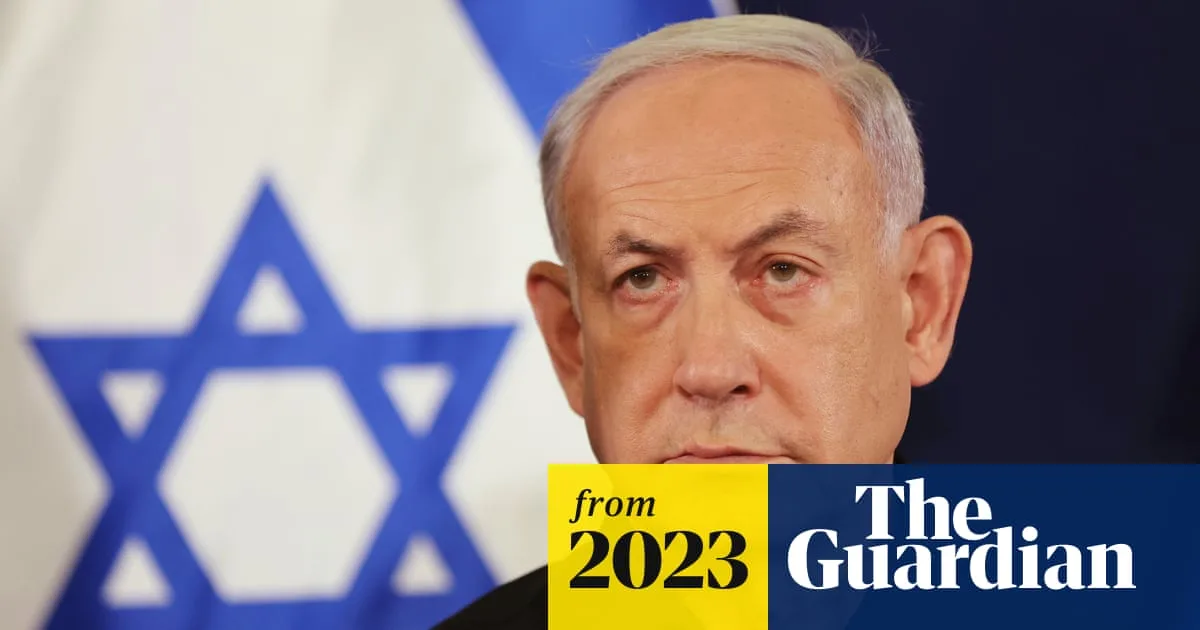
Benjamin Netanyahu turned down a proposal for a five-day ceasefire in Gaza in exchange for the release of some hostages early in the war, according to sources familiar with the negotiations. The Israeli prime minister rejected the deal outright after Hamas's incursion on 7 October, which killed an estimated 1,400 people.
Negotiations resumed after the Israeli ground offensive began on 27 October, but sources say Netanyahu has continued to take a tough line on proposals involving ceasefires of varying lengths for different numbers of hostages. The original deal would have freed children, women, elderly and sick people for a five-day pause, but Israel launched its ground invasion instead.
The US announced on Thursday that Israel had agreed to daily four-hour “humanitarian pauses” to aid hostage passage and civilian evacuation. However, an Israeli army spokesperson insisted: “There’s no ceasefire… these are tactical, local pauses for humanitarian aid.” Over 10,300 people have been killed in Gaza since the conflict began, according to the Hamas-run health ministry.
Public anger in Israel is rising, with families of hostages rallying outside Netanyahu’s residence. Palestinian Islamic Jihad released a video showing two hostages, a woman in her 70s and a 13-year-old boy, and said it was “ready to release them on humanitarian grounds when security conditions are met”, a claim Israel dismissed as “psychological terrorism”.
Indirect talks mediated by Qatar have focused on a one-to-three-day ceasefire in exchange for 10-15 hostages. A source said this would be a “litmus test” for further negotiations. Earlier, four female hostages were released on 20 and 24 October, including two Americans.




