UK Reveals Navalny Died from Dart Frog Toxin, Russia Denies Claims
According to new test results released by UK officials, Russian dissident Alexei Navalny died from a toxin derived from the lethal poison dart frog. The findings, announced at the Munich Security Conference, suggest a deliberate poisoning with a substance rarely detected in routine toxicology screens.
Historical Context of Russian Poisonings
The Russian state has a well-documented history of using exotic poisons against its enemies. Notable cases include the 2018 Salisbury Novichok poisonings, which resulted in the death of innocent UK citizen Dawn Sturgess, and the 2006 murder of Putin critic Alexander Litvinenko via polonium-laced tea in London. These incidents highlight a pattern of employing toxic substances to eliminate opponents discreetly.
The Dart Frog Toxin: A Lethal Weapon
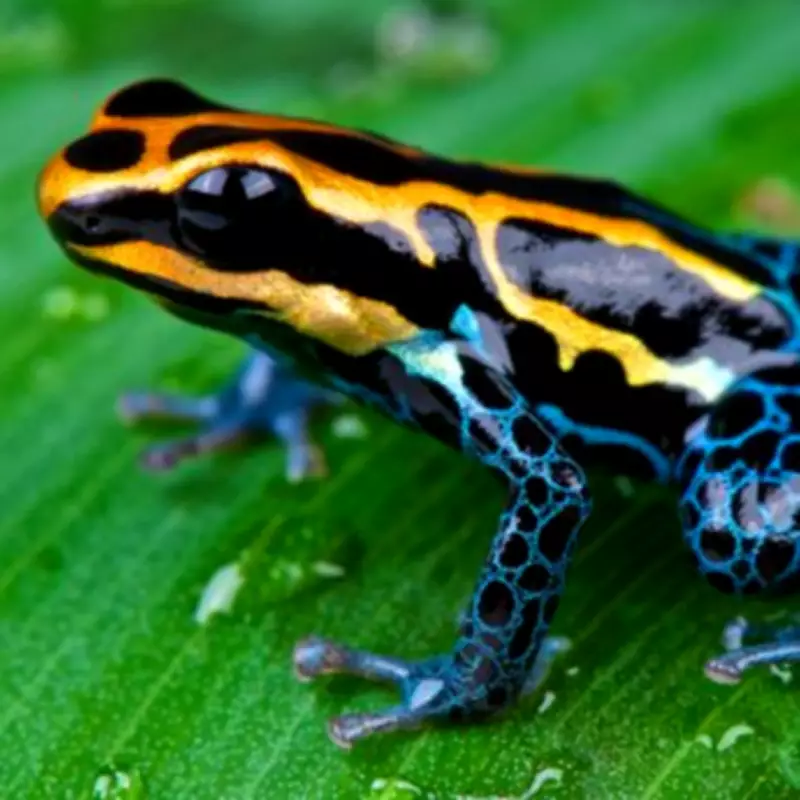
Poison dart frogs, native to South American rainforests, are among the planet's most toxic species. Each frog carries enough venom to kill 10 to 20 humans, with a dose equivalent to two grains of salt being fatal. The toxin, epibatidine, was identified in samples from Navalny's body, a chemical not naturally found in Russia, pointing to foreign involvement.

Dr. Eric Franssen, a clinical toxicology and pharmacology expert at Onze Lieve Vrouwe Gasthuis hospital in the Netherlands, explained the appeal of such poisons. "I can imagine that these kinds of poisons are interesting [to Russia] because they are quite difficult to detect," he said. "In hospitals, we will not detect them in a routine toxicology screen. So perhaps this is a way to disguise intoxications."
Navalny's Death and the Investigation
Navalny died suddenly in a Siberian penal colony in 2024, two years before these revelations. UK and European allies conducted analyses of material samples from his body, concluding he succumbed to a dose of the dart frog toxin. Foreign Secretary Yvette Cooper stated, "only the Russian government had the means, motive and opportunity" to poison Navalny while he was imprisoned.
The toxin paralyses victims rapidly, affecting muscles and the heart, leading to respiratory failure and cardiac arrest within minutes. Dr. Franssen noted, "People may die after 10 to 20 minutes of intake when you have a certain amount of these toxins. This can be done by ingestion or injection in the bloodstream." Evidence of vomiting at the death scene aligns with quick symptom onset after exposure.
Contradicting Official Narratives
Russia's official account claims Navalny died from high blood pressure due to chronic heart arrhythmia, a explanation his widow Yulia Navalnaya has consistently rejected. Prior to his death, Navalny appeared in good health despite harsh prison conditions, having survived a 2020 Novichok poisoning attempt. After returning to Russia in 2021, he was convicted on false charges and imprisoned until his demise.
Russia has dismissed the new findings as an "information campaign," maintaining its innocence. The case underscores ongoing tensions between Russia and Western nations over human rights and political freedoms.