NATO Intercepts Iranian Ballistic Missile Over Turkish Airspace
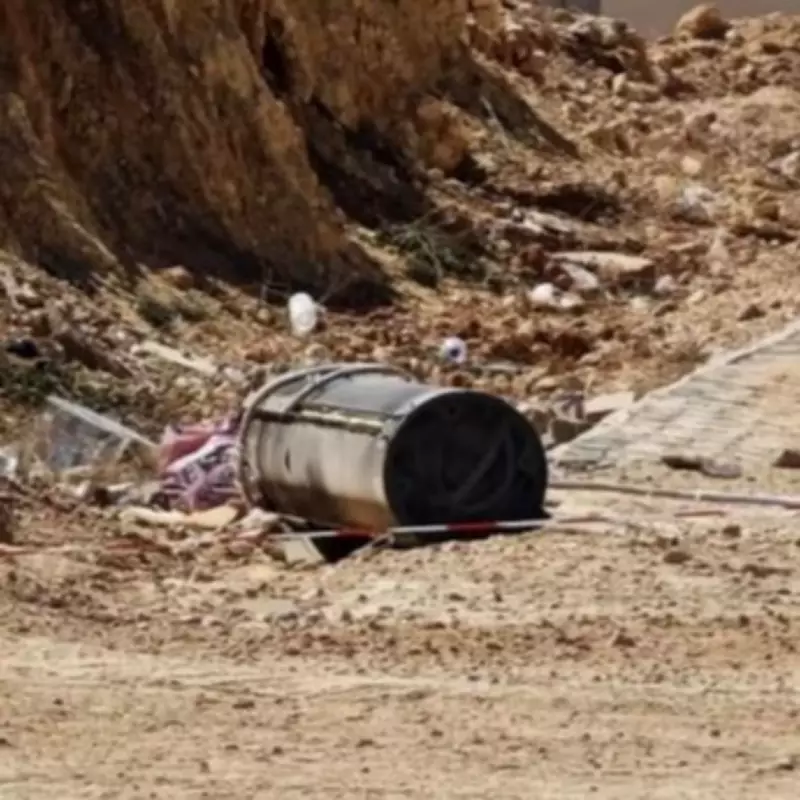
NATO defence systems have successfully intercepted a ballistic missile that was launched from Iran and heading towards Turkish airspace. Turkish authorities confirmed the incident, stating that the missile entered their airspace before being seized by NATO forces.
Escalating Tensions in the Middle East
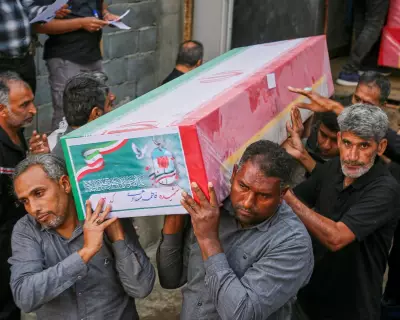
This interception occurs against a backdrop of heightened military activity in the region. Iran has recently launched missiles targeting various military sites across the Middle East and beyond. These actions are a direct response to an earlier attack on Iran by the United States and Israel, which resulted in the death of Iran's Supreme Leader.
The situation underscores the volatile security environment in the area, with NATO playing a critical role in defending member states from potential threats.
Details of the Interception
Turkish officials reported that the ballistic missile was detected as it approached Turkish airspace. NATO's defence mechanisms were activated promptly, leading to the successful interception of the device. This event highlights the ongoing vigilance and preparedness of NATO forces in monitoring and responding to aerial threats.
The interception prevented any potential damage or escalation, safeguarding not only Turkish territory but also regional stability.
Broader Implications for Regional Security
The incident raises concerns about the increasing use of ballistic missiles in conflicts within the Middle East. It also emphasises the importance of international defence alliances like NATO in maintaining security and deterring aggression.
- Iran's missile launches have targeted multiple locations, indicating a broader strategy of retaliation.
- NATO's response demonstrates its commitment to protecting member states from external threats.
- The death of Iran's Supreme Leader has intensified regional tensions, leading to more frequent military engagements.
As tensions continue to simmer, the role of defensive systems and international cooperation remains paramount in preventing further incidents and ensuring peace in the region.