
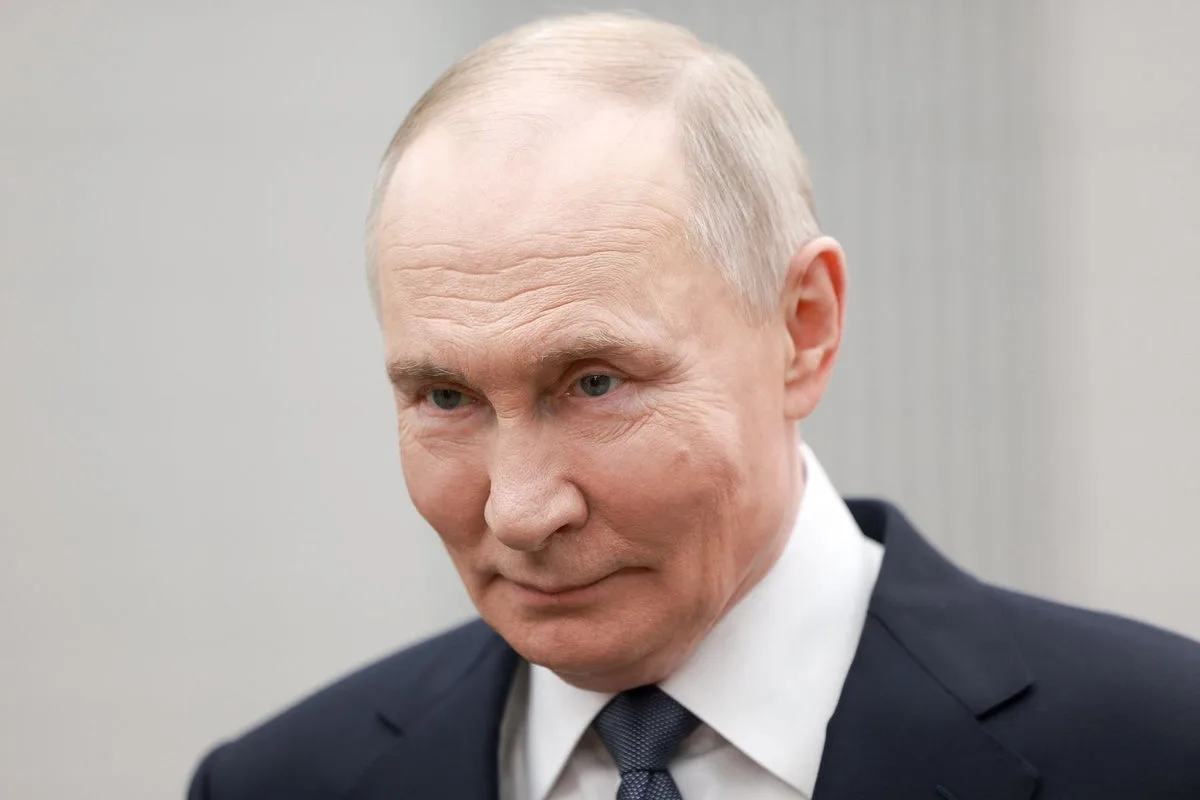
Nato and the UK have strongly condemned Vladimir Putin’s claim that Russia is “ready for war” with Europe, as hopes for a US-brokered peace deal in Ukraine continue to fade. The British prime minister’s spokesperson dismissed the remarks as “Kremlin claptrap”, while Nato secretary general Mark Rutte insisted the alliance was “willing to do what it takes to protect our 1 billion people and secure our territory”.
Mr Rutte, speaking ahead of a Nato summit in Brussels, stressed that the alliance is defensive but prepared for any eventuality. “Putin believes he can outlast us, but we are not going anywhere,” he said. The comments came after a planned meeting between Ukrainian president Volodymyr Zelensky and a US delegation was cancelled, following talks between Russian officials and US envoys Steve Witkoff and Jared Kushner in Moscow.
Progress on peace negotiations appears to have stalled after the five-hour meeting on Tuesday. The Kremlin denied outright rejection of a deal, calling disagreement part of a “normal working process”. Mr Rutte hinted that only US President Donald Trump could break the deadlock, calling him “the only person in the whole world able to break the deadlock”.
Ukraine’s foreign minister, Andrii Sybiha, said there had been contact between the Ukrainian delegation and Mr Witkoff after the Moscow talks, with the US side reporting a “positive outcome” and inviting further discussions in America. However, the nature of that outcome remains unclear, amid accusations that Mr Trump’s original peace plan was a “Russian wishlist”.
Meanwhile, the European Commission proposed raising 90 billion euros for Ukraine using frozen Russian assets or international borrowing. The proposal came as Russia launched fresh drone and missile strikes, killing at least eight people and cutting power to half of Kyiv. Putin’s belligerent comments, made hours before the US-Russia talks, accused Europe of being “on the side of war” and warned there would be “nobody left to negotiate peace with”.




