Myanmar has formally rejected accusations of genocide at the United Nations' highest court, arguing that its deadly 2017 military offensive against the Rohingya minority was a legitimate counter-terrorism operation.
Myanmar's Defence at The Hague
Representing Myanmar at the International Court of Justice (ICJ) in The Hague, the country's representative, Ko Ko Hlaing, told judges on Friday, 16 January 2026, that the state could not remain idle in the face of insurgent threats. The case was initiated by the African nation of Gambia in 2019, alleging Myanmar breached the 1948 Genocide Convention.
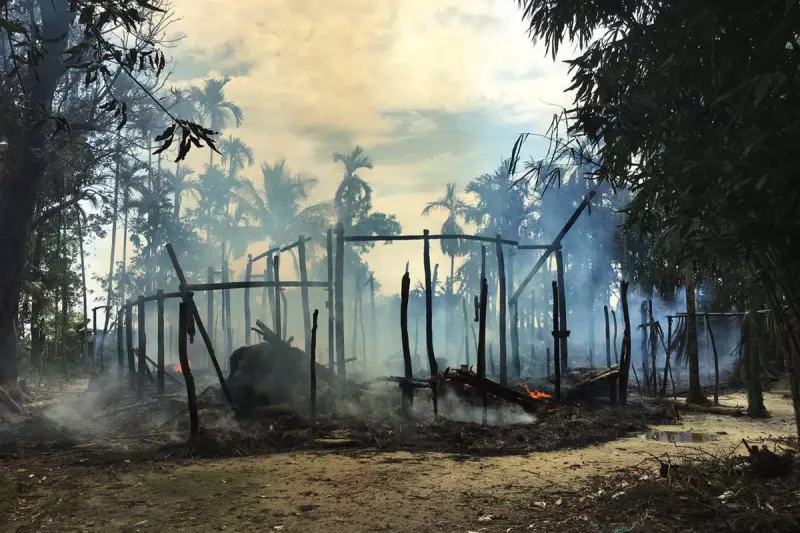
The military campaign in Rakhine state was launched after an attack by a Rohingya insurgent group. During the operations, security forces were accused of mass rape, killings, and burning thousands of homes, leading more than 700,000 Rohingya to flee to neighbouring Bangladesh.

The Human Cost and International Response
Today, approximately 1.2 million Rohingya remain in overcrowded camps in Bangladesh, facing dire conditions. Gambian Justice Minister Dawda Jallow, opening hearings earlier in the week, described "decades of appalling persecution" culminating in "savage, genocidal 'clearance operations'."
Myanmar, a Buddhist-majority nation, has long considered the Rohingya Muslim minority as foreign "Bengalis," denying them citizenship since 1982. The country's defence team disputed Gambia's evidence, including UN fact-finding reports, stating the case relied on "unsubstantiated allegations" rather than proven facts.
From Suu Kyi to Military Rule
In a stark contrast to the 2019 hearings, where Nobel Peace Prize winner Aung San Suu Kyi defended Myanmar, the former leader is now imprisoned following a 2021 military coup. The current junta leader, Senior Gen. Min Aung Hlaing, faces a separate arrest warrant request from the International Criminal Court for crimes against humanity related to the Rohingya persecution.
The ICJ previously rejected Myanmar's challenge to the court's jurisdiction in 2022, allowing Gambia's case to proceed. As the legal battle continues, the world watches to see if the court will hold Myanmar accountable for what Gambia asserts is a clear pattern of conduct with "genocidal intent."