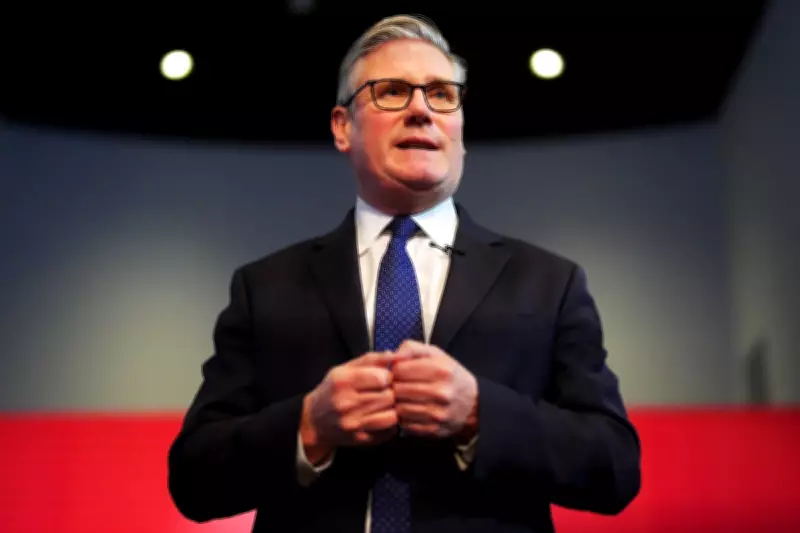
British MPs and peers who were previously subject to Chinese sanctions have criticised the selective easing of measures against them as "wrong," arguing it sends a damaging signal while restrictions remain on other campaigners. Prime Minister Sir Keir Starmer announced the lifting of sanctions during his diplomatic visit to China, following talks with President Xi Jinping.
Sanctions Lifted Following Diplomatic Engagement
During a series of broadcast interviews in Shanghai, Sir Keir revealed that Chinese sanctions against British parliamentarians had been lifted. The Prime Minister stated he had been "duty-bound" to raise the issue during his discussions with Chinese leadership. "This has been a cause of concern in Parliament and for parliamentarians for some time," Sir Keir told ITV News, explaining why he addressed the matter during his visit.
The Chinese foreign ministry confirmed the development, stating: "The two sides agreed in principle to resume normal exchanges between the legislatures of the two countries. China welcomes British parliamentarians who have the willingness to visit China more and experience the real China."

Parliamentarians Voice Concerns Over Selectivity
However, the affected group of parliamentarians - including former Conservative leader Sir Iain Duncan Smith, former security minister Tom Tugendhat, Commons deputy speaker Nus Ghani, Tory MP Neil O'Brien, and several peers - expressed significant reservations about the selective nature of the sanctions easing.
In a joint statement, they emphasised: "The selective lifting of sanctions solely on sitting parliamentarians is wrong. Parliament exists to represent and defend the people of the United Kingdom. Seeking or accepting preferential treatment for current MPs and peers sends a damaging signal that some are more deserving of protection than others."
The parliamentarians noted that while sanctions against current MPs and peers appeared to have been lifted, restrictions likely remained in place for former MP Tim Loughton and other campaigners, possibly including their own family members.
Human Rights Concerns Remain Paramount
The MPs and peers stressed that the easing of sanctions would not deter them from continuing to speak out against human rights abuses, particularly the targeting of the Uighur Muslim minority in China's Xinjiang province. They highlighted that they could take "no comfort in this decision" while pro-democracy campaigner and British citizen Jimmy Lai remained imprisoned and the Uighurs continued to suffer atrocities.
The group also sought "clear assurances" that the UK's own sanctions against four Chinese officials and a state-run organisation involved in human rights abuses in Xinjiang would remain in place. It is understood that Britain will not be lifting these restrictions in exchange for the easing of measures against parliamentarians.
Diplomatic Context and Future Relations
Sir Keir framed the sanctions lifting as evidence of the benefits of diplomatic engagement, telling ITV News: "That underscores the point I've been making all along, which is if you engage, if you come and visit and have that leader-to-leader dialogue, you can not only take the opportunities which we have been taking, but also resolve some of the more difficult issues between our two countries."
When questioned about whether parliamentarians would be safe travelling to China following the sanctions easing, the Prime Minister responded confidently: "Well, of course." He reiterated his sense of obligation in raising the issue, stating: "This was one of the issues that I was, you know, bound to, duty-bound to raise it, and I did raise it."
The original sanctions were imposed by Beijing in 2021 in response to UK measures against Chinese officials and organisations involved in human rights abuses in Xinjiang. The diplomatic development represents a significant shift in UK-China relations while highlighting ongoing tensions around human rights concerns and the principle of equal treatment for all affected individuals.