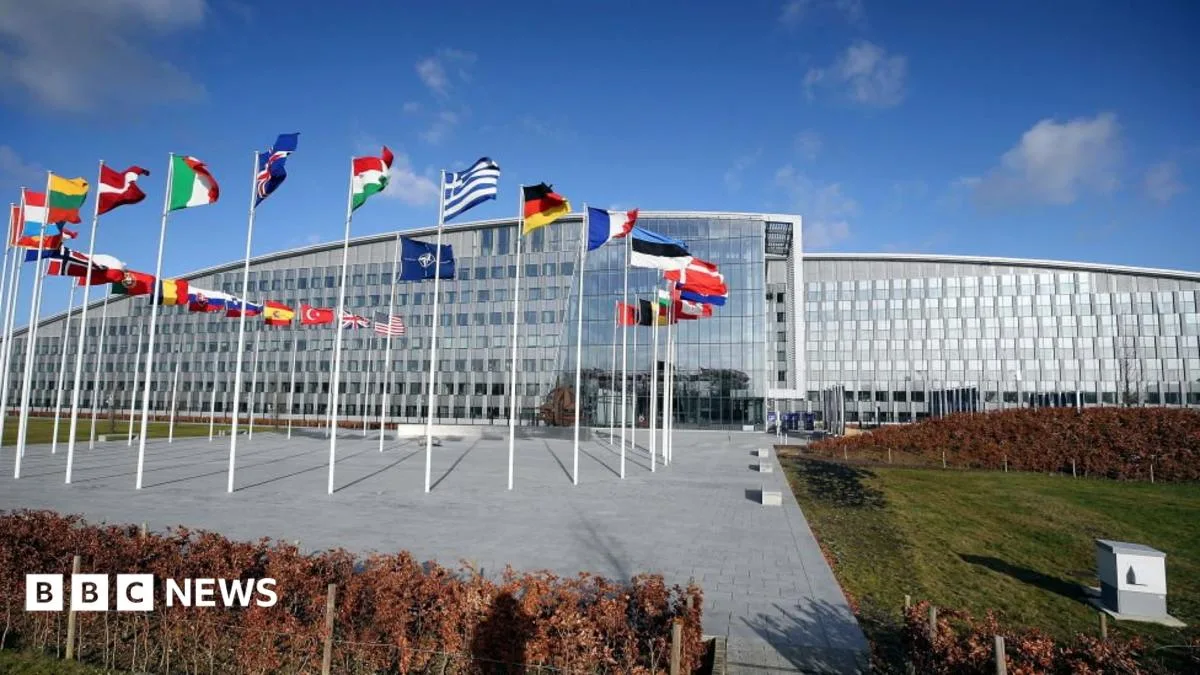
Moscow's Diplomatic Moves Amid Global Tensions

Moscow's Diplomatic Moves Amid Global Tensions

In a significant development on the international stage, Moscow has undertaken a series of diplomatic actions that are drawing widespread attention from global observers. These moves come at a time of heightened geopolitical tensions, with many nations closely monitoring Russia's foreign policy strategies.

Analyzing the Diplomatic Landscape

Experts suggest that Moscow's recent initiatives reflect a broader effort to assert its influence in key regions. The diplomatic maneuvers include high-level meetings, public statements, and strategic engagements with both allies and adversaries. This approach is seen as part of a calculated effort to navigate complex international dynamics, particularly in light of ongoing conflicts and economic pressures.

Global reactions have been mixed, with some countries expressing concern over the potential implications for regional stability. Others view Moscow's actions as a necessary recalibration in a multipolar world. The diplomatic outreach has sparked debates among policymakers about the future of international cooperation and the balance of power.

Implications for International Relations

The consequences of Moscow's diplomatic moves are far-reaching, affecting areas such as trade, security, and multilateral agreements. Analysts note that these actions could lead to shifts in alliances and influence global governance structures. For instance, increased engagement with certain nations might alter existing geopolitical alignments, while tensions with others could escalate into broader disputes.

Key factors driving Moscow's strategy include economic interests, security concerns, and a desire to counter perceived Western dominance. This has led to a more assertive posture in diplomatic forums, where Russia is advocating for alternative approaches to global issues. The long-term impact on international norms and institutions remains uncertain, but it is clear that Moscow is positioning itself as a pivotal player in shaping the new world order.

Future Prospects and Challenges

Looking ahead, Moscow faces several challenges in maintaining its diplomatic momentum. Internal economic constraints, domestic political pressures, and external sanctions could limit its ability to sustain aggressive foreign policy initiatives. Additionally, the response from other major powers, such as the United States and China, will play a crucial role in determining the success of Russia's diplomatic efforts.

In conclusion, Moscow's recent diplomatic actions underscore the evolving nature of global politics. As tensions persist, the international community will need to adapt to these changes, fostering dialogue and cooperation to address shared challenges. The coming months are likely to see further developments as nations reassess their positions in response to Moscow's strategic moves.




