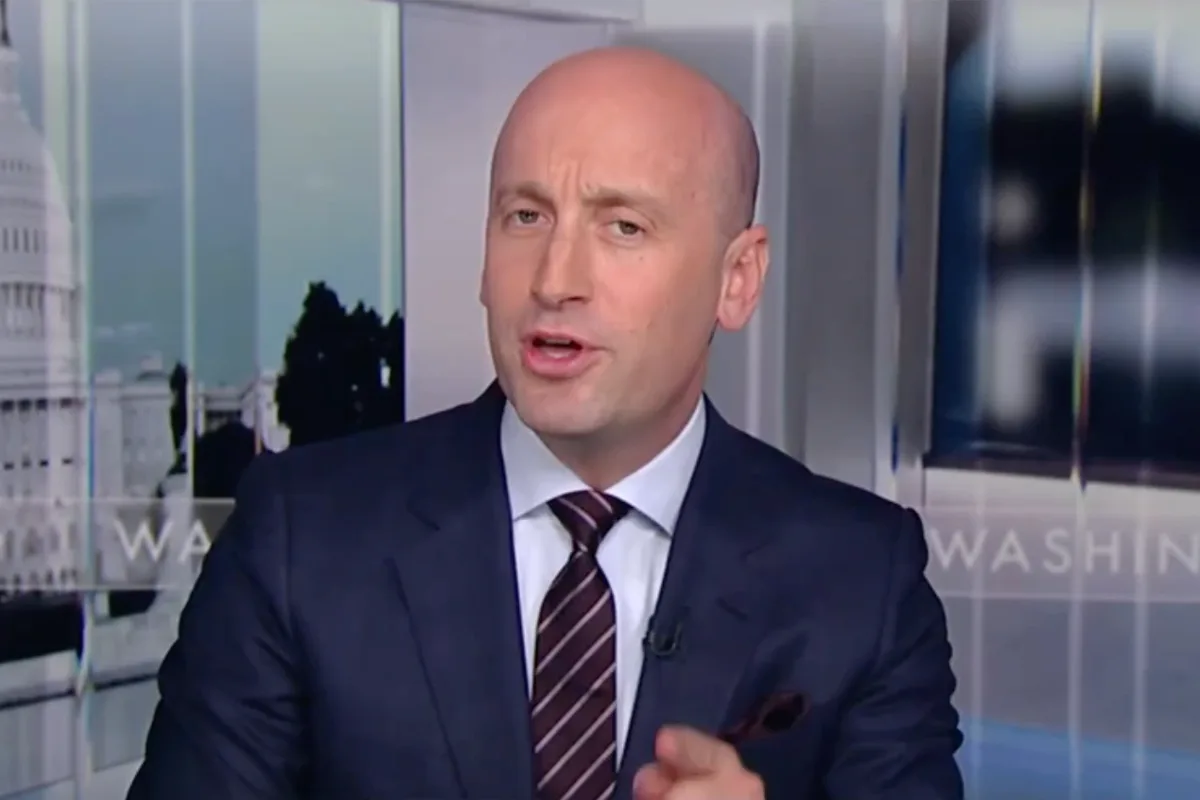
Stephen Miller Warns Iran War Could Continue 'Indefinitely' Without Deal
Miller: Iran War Could Go On 'Indefinitely' Without Deal

Stephen Miller Issues Stark Warning Over Iran Conflict Duration

Top White House official Stephen Miller delivered a stark warning to Iran on Wednesday evening, stating the ongoing conflict could persist "indefinitely" if the Iranian regime fails to meet President Donald Trump's demands. This declaration comes despite previous administration assertions of victory and a swift resolution.

Economic Pressure Through Naval Blockade

Miller, serving as White House deputy chief of staff for policy and homeland security adviser, emphasized the impact of the recently enforced naval blockade around Iranian ports. "This embargo is squeezing the economic life out of the Iranian regime, and the United States has the capacity to continue this indefinitely if Iran chooses the wrong path," he told Fox News host Sean Hannity.

The blockade aims to severely strain Iran's economy, pressuring the regime to abandon its nuclear enrichment program. Miller asserted that America holds "all of the cards" in negotiations, reinforcing the administration's hardline stance.

Wide Pickt banner — collaborative shopping lists app for Telegram, phone mockup with grocery list

Contradictory Timelines and Administration Unity

This warning starkly contrasts with President Trump's initial prediction that the war would last only four to five weeks. Trump has repeatedly claimed the U.S. has achieved nearly all its objectives and effectively "won" the conflict.

Miller, however, insisted the president "wants peace, he wants a deal, he wants Iran to choose the right path." Yet he simultaneously bolstered Trump's threat to bomb Iranian infrastructure, warning Tehran that these were not empty threats.

Defense Secretary Pete Hegseth echoed these sentiments on Thursday morning, urging Iran to "choose wisely" or face potential military actions including further blockades and infrastructure bombing.

Faltering Negotiations and Economic Measures

First-round peace negotiations between the U.S. and Iran ended without agreement last week. Following this setback, Trump expressed optimism about Iran's proposed 10-point peace plan, calling it "workable."

Nevertheless, by Monday the president had ordered the port blockade to increase pressure. Treasury Secretary Scott Bessent revealed additional plans to strain Iran's economy further, including imposing secondary sanctions on countries purchasing Iranian oil.

Future peace talks are expected to be hosted by Pakistan, though no specific date has been set.

Domestic Pressure and Public Opinion

Americans are growing increasingly anxious for a resolution to the Iran conflict. Surging oil prices and stock market volatility have heightened financial concerns across the nation.

A Reuters/Ipsos poll conducted in March found that 66 percent of respondents want the U.S. to end the war even if it means not achieving all administration goals. This public sentiment adds another layer of complexity to the ongoing diplomatic and military strategy.

Miller's warning underscores the administration's determination to force Iran's compliance through sustained economic and military pressure, regardless of the conflict's extended timeline.

Pickt after-article banner — collaborative shopping lists app with family illustration




