Mexico has dispatched a second humanitarian aid package to Cuba, reinforcing its support for the island nation as it grapples with acute fuel shortages and heightened economic pressure from the United States. This move underscores Mexico's commitment to providing relief amid a tightened US embargo and threats of tariffs against nations supplying oil to Cuba.
Details of the aid shipment
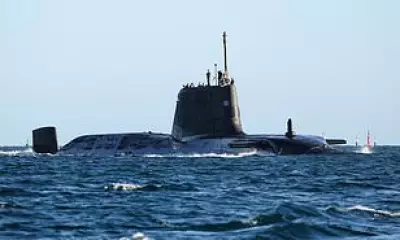
Two Mexican navy vessels, the Papaloapan and the Huasteco, departed from the Gulf of Mexico port of Veracruz on Tuesday, carrying a total of 1,193 tons of essential supplies. The shipment is scheduled to arrive in Cuba on Saturday, delivering much-needed food items to alleviate the ongoing crisis.
Breakdown of cargo
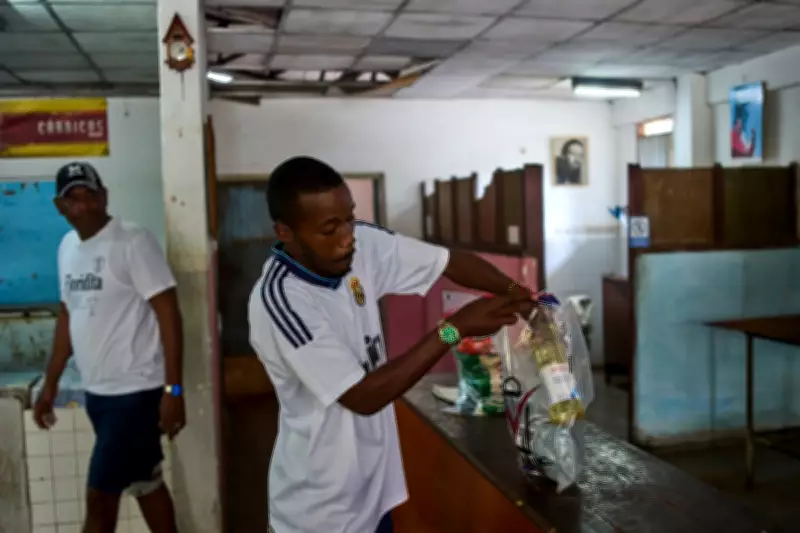
The Papaloapan is transporting 1,078 tons of beans and powdered milk, while the Huasteco carries 92 tons of beans and 23 tons of other food products. Notably, the final 23 tons of humanitarian aid were contributed by various social organizations with support from the Mexico City government, highlighting collaborative efforts in addressing Cuba's needs.

Context of US pressure and Cuban vulnerabilities
This marks the second humanitarian aid package from Mexico to Cuba this year, following a February shipment of over 814 tons of food and hygiene products. These deliveries occur against a backdrop of diplomatic discussions aimed at resuming oil supplies, which were halted in mid-January. The suspension coincided with US President Donald Trump's announcement of a significant tightening of the economic embargo on Havana, exacerbating Cuba's energy crisis.
Cuba's reliance on external fuel sources has left it highly vulnerable, as it produces only 40% of its fuel needs. Historically dependent on oil shipments from Venezuela, these supplies ceased after the US attacked Venezuela in early January and arrested its leader, further straining Cuba's economy.
International reactions and symbolic support
While strong allies such as Russia and China have condemned the US measures, their support has remained largely symbolic so far, leaving Cuba to navigate the challenges with limited external assistance. Mexico's aid shipments represent a tangible effort to mitigate the impact of the blockade, though the island continues to face significant hardships due to the embargo and fuel shortages.
The ongoing situation highlights the complex geopolitical dynamics in Latin America and the Caribbean, with humanitarian concerns intersecting with international policy disputes. As Cuba struggles to meet basic needs, the role of regional partners like Mexico becomes increasingly critical in providing relief and fostering stability.