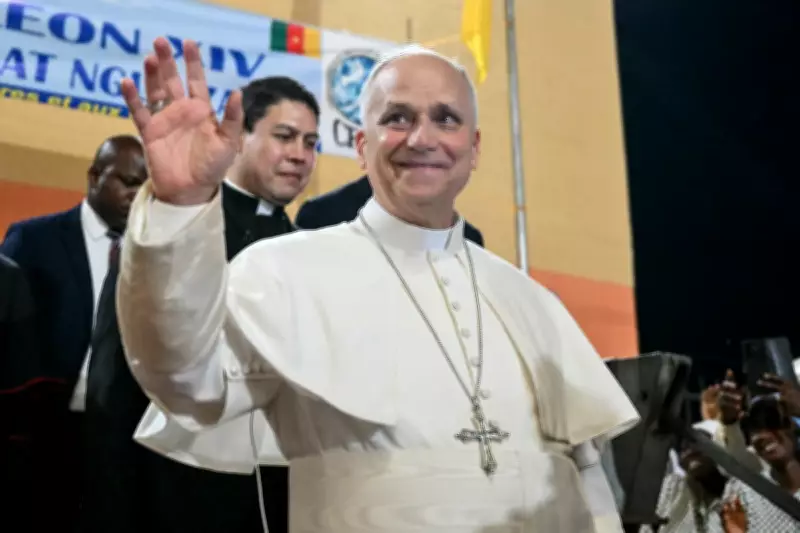
Brazil's President Luiz Inácio Lula da Silva has issued a strong defense of Pope Leo XIV, calling for protection from "powerful people" who have recently targeted the pontiff with criticism. The leftist leader's remarks were delivered in a video message to Brazil's national conference of bishops on Wednesday, amidst a heated exchange between the pope and U.S. President Donald Trump.
Lula's Message of Solidarity
In his address, Lula, who is 80 years old and campaigning for reelection in October, expressed his deepest solidarity with Pope Leo XIV. He stated, "Throughout mankind's history, advocates for peace and for the oppressed have been attacked by powerful people who think they are deities to be adored." Lula emphasized that "it's better to have a heart full of love than the power of weapons and money," highlighting his support for the pope's stance on peace and dialogue.
Tensions Between Pope Leo and Trump
The conflict between Pope Leo XIV and President Trump escalated after the pontiff made comments against the war in Iran. Earlier on Wednesday, during a trip to Cameroon, the first U.S.-born pope insisted that "the message the world needs to hear today" is one of peace and dialogue. In response, Trump has intensified his criticism, arguing that the pope is weak on crime and influenced by leftist ideologies, and even claimed that Leo owes his position to him.

The spat originated when Pope Leo XIV said that God does not bless those who drop bombs and described Trump's threat to annihilate Iranian civilization as "truly unacceptable." This led to a series of retaliatory attacks from the U.S. president, further straining diplomatic relations.
Broader Implications
Lula's intervention adds a political dimension to the ongoing dispute, as he positions himself as a defender of peace and religious figures against what he perceives as undue aggression from global powers. His comments come at a time when he is seeking reelection, potentially using this stance to appeal to Catholic voters in Brazil.
The situation underscores the intersection of religion, politics, and international diplomacy, with leaders like Lula and Trump using public platforms to advance their agendas. As tensions continue, the global community watches closely, with the AP providing coverage on developments in Latin America and the Caribbean.