Lebanon-Syria Relations Undergo Dramatic Transformation Post-Assad Era
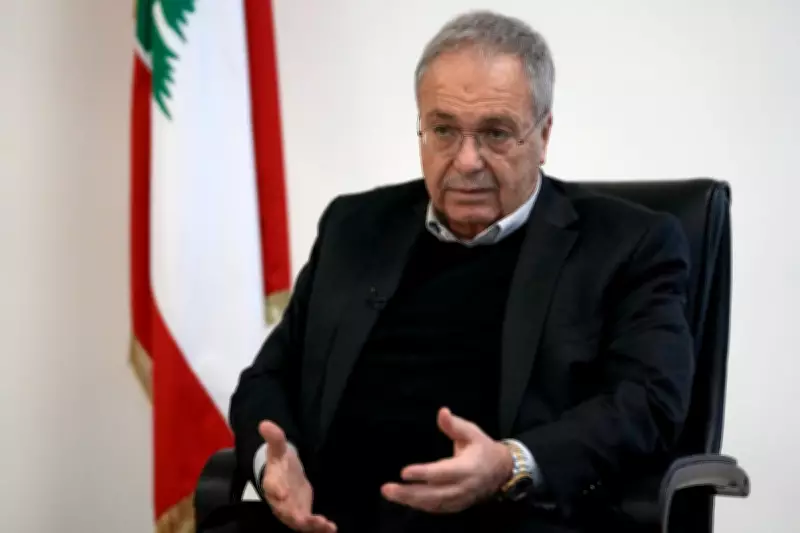
Lebanon's relationship with Syria has experienced a radical and positive transformation following the fall of former President Bashar Assad, according to Deputy Prime Minister Tarek Mitri. The senior minister, who manages Lebanon's relations with its neighbour, stated on Tuesday that the current dynamic is fundamentally different from the era of Syrian hegemony.
From Tutelage to Mutual Respect
"Under the Assad regime, Lebanon was de facto under Syrian tutelage. The Syrian regime interfered in domestic affairs in so many ways," Mitri told The Associated Press. "The present Syrian government is neither interested in hegemony over Lebanon nor is it interfering in our internal affairs."
This declaration marks a significant departure from decades of complex history between the two nations, which included Syrian military occupation of Lebanon until 2005 and Lebanese resentment over that period.

Prisoner Transfer Treaty Approved
The comments came days after Lebanon's cabinet approved a landmark treaty with Syria that will see more than 300 sentenced prisoners transferred to complete their sentences in Syrian prisons. Mitri confirmed that transfers are expected to begin within weeks.
Most prisoners eligible for transfer under the deal approved last Friday were not convicted of violent crimes. Those convicted of major offences including murder, fighting the Lebanese army, and rape are only eligible if they have already served 7.5 years of their sentence in Lebanon.
There are approximately 2,500 Syrian prisoners currently held in Lebanese jails, some charged with involvement in armed opposition groups that sought to overthrow Assad - groups that now form part of Syria's ruling structure.
Additional Agreements in Progress
Another treaty is being developed that would allow for the transfer of Syrian prisoners awaiting trial to their home country, though Mitri noted this will require ratification by the Lebanese parliament and will likely take more time to implement.
The two countries have also established a working group to investigate the fate of Lebanese citizens who disappeared in Syria and Syrians who disappeared in Lebanon. Many of the missing Lebanese are believed to have been imprisoned - and potentially died in detention - during Assad's iron-fisted reign.
Addressing Security Concerns
Since Assad's fall in December 2024 during a lightning offensive led by Islamist rebel groups, reports have circulated about Assad-era officials taking refuge in Lebanon and potentially plotting against the new Syrian government.
Mitri addressed these concerns directly, stating that Lebanon has not received from Syria a list of names of people they want extradited and has found no evidence of any armed plots. While "middle-ranking leaders" from the former Syrian military and Assad-era Baath party are living in Lebanon, Mitri emphasized that "they're not militarily organized or militarily active."
Lebanese security agencies have investigated areas where there was suspicion of former Syrian military officials organizing subversive operations in Syria and found "no proof of that," according to the deputy prime minister.
Regional Context and Challenges
The improving relations with Syria contrast with Lebanon's more difficult relationship with its southern neighbour, Israel. Despite a U.S.-brokered ceasefire that nominally ended the latest Israel-Hezbollah war in November 2024, Israel continues to strike Lebanon near daily and occupies five strategic hilltop points along the border.
Lebanon's military recently concluded the first phase of a plan to disarm non-state groups, including Hezbollah, in the border area south of the Litani River. Future phases are planned to progressively cover areas north of the river, with the army expected to present its plan for the second phase later this week.
Mitri clarified that moving forward with the disarmament plan is "not conditional on steps from Israel," but acknowledged that Israeli actions complicate the army's work. "As long as Israel does not respect the cessation of hostilities agreement - and they've not done it for the last year and three months - this makes the work of the army more complicated," he said.

Future Diplomatic Prospects
While there has been speculation about potential political negotiations and eventual normalization of diplomatic relations between Lebanon and Israel, Mitri indicated that discussions currently remain confined to the ceasefire monitoring committee, which includes representatives from the U.S., France, and UNIFIL.
"If there is full compliance with the agreement - that is withdrawal of the Israelis from Lebanese outposts that they have occupied, stopping their strikes, freeing or handing over the Lebanese prisoners held in Israel, then there might be other issues to negotiate," Mitri explained, mentioning potential land border demarcation between the two countries.
Another significant question concerns the future of the border area after UNIFIL's mandate expires at the end of this year. Mitri revealed that several proposals are under discussion for a successor force, emphasizing Lebanon's perspective: "We need a neutral, internationally mandated force to observe and make sure that whatever is agreed upon in negotiations is fully respected by parties and document violations."
This comprehensive diplomatic approach reflects Lebanon's efforts to navigate complex regional relationships while pursuing stability and sovereignty in a changing Middle Eastern landscape.