Kazakhstan Sentences 19 Activists to Prison for Peaceful Protest Against China
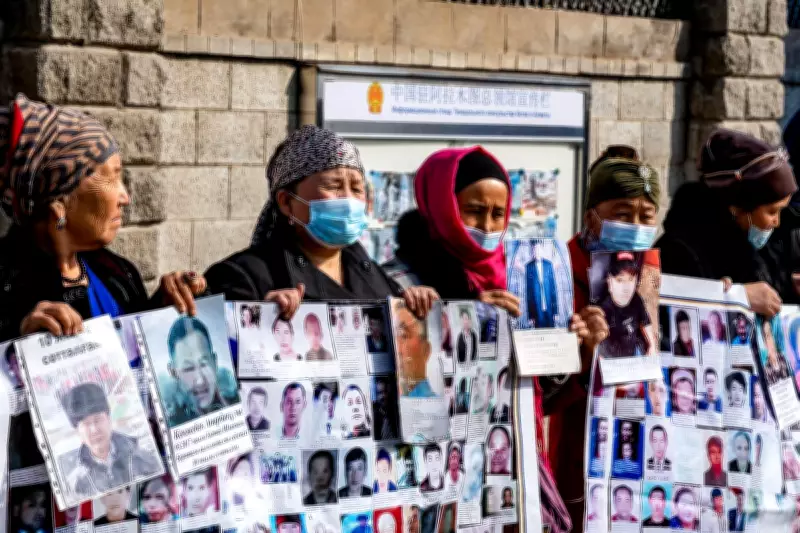
A court in Taldykorgan, Kazakhstan, has handed down prison sentences to 19 individuals for participating in a peaceful demonstration that criticised human rights abuses in China's northwestern Xinjiang region. The protesters, associated with the unregistered Atajurt movement, were found guilty of "inciting interethnic or social discord" for staging protests in November last year.
Details of the Protest and Sentences
The demonstration was organised to demand the release of Alimnur Turganbay, an ethnic Kazakh detained in Xinjiang since July last year. Videos from the protest showed participants burning Chinese flags and a portrait of Chinese leader Xi Jinping while chanting slogans against him. Of the 19 convicts, 11 received five-year prison terms, while the remaining eight were given non-custodial "restriction of freedom" sentences. All were banned from public or political activities for three years.
Guldariya Sherizat, Mr Turganbay's wife, explained the protesters' actions: "We wanted to reach the border holding Chinese flags and Xi Jinping's portrait but we were not allowed to proceed so we burned them. We burned them to protest over why Xi Jinping is holding a Kazakh citizen." She was speaking from her house in Uzynagash, where she was under house arrest at the time.

International Context and Diplomatic Pressure
The arrests occurred after the Chinese consulate in Almaty urged Kazakh authorities to "take appropriate measures" against the protesters. Kazakhstan, which shares a 1,700km border with China and is home to significant Uyghur and Kazakh diasporas from Xinjiang, maintains close diplomatic ties with Beijing. The trial was conducted under tight security, with reporters denied physical access to the courtroom and instructed to follow proceedings via a live video link.
Human Rights Concerns and International Criticism
China faces accusations from Western nations and rights groups of committing "crimes against humanity" against Uyghur Muslims and other ethnic minorities in Xinjiang, including allegations of mass incarceration, forced labour, torture, and sexual assault. The US and other Western countries have labelled these policies as "genocide," a claim Beijing denies as "the lie of the century."
Human Rights Watch noted that Kazakh authorities have long misused the vague charge of "inciting discord" to suppress dissent. However, this sentencing marks the first instance of imprisoning such a large group of activists advocating for human rights in Xinjiang. The organisation argued, "With this heavy-handed prosecution and punishment, the Kazakh government has made it clear that it is only too willing to sacrifice the freedoms of its citizens in an apparent attempt to maintain increasingly cozy relations with Beijing."
Reactions from Amnesty International
Amnesty International condemned the ruling and called for the release of the convicts. Marie Struthers, director for Eastern Europe and Central Asia, stated, "Criminalising peaceful protest under the vague pretext of 'inciting discord' is a travesty of justice and an affront to international human rights standards." Before the trial began in January, Ms Struthers had described the charges as "baseless" and warned, "Peaceful protest is not a crime simply because it makes those in power uncomfortable – even when that discomfort extends to displeasing a powerful geopolitical player such as China."
Rights groups have also accused Chinese authorities of targeting Uyghurs and Kazakhs with foreign connections, detaining those who have family in or have visited "26 sensitive countries," including Kazakhstan. This case highlights ongoing tensions between human rights advocacy and geopolitical alliances in Central Asia.