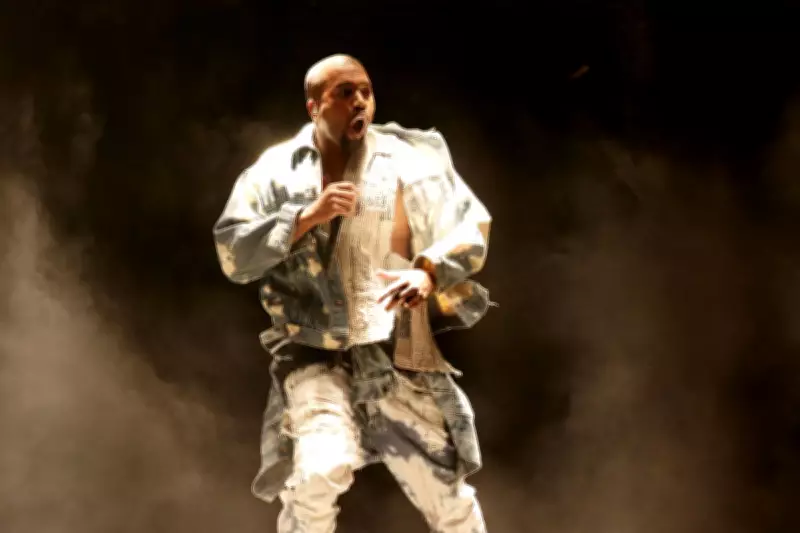
Kanye West's Wireless Festival Booking Ignites Controversy Over Antisemitism
The choice to feature Kanye West as a headliner at the Wireless Festival in Finsbury Park, London, is not an accidental oversight but a calculated decision that has sparked widespread condemnation. His well-documented antisemitic views, including explicit praise for Hitler and Nazi ideologies, should have no place in a society that claims to uphold zero-tolerance policies against hate speech.
A Pattern of Hate Speech, Not Isolated Incidents
Kanye West has repeatedly crossed the line from controversial artist to purveyor of harmful rhetoric. His actions go beyond mere slips or impulsive remarks; they represent a sustained campaign of antisemitism. For instance, releasing a track titled "Heil Hitler" requires deliberate intent and execution, not just a momentary lapse. While West has apologised at times and cited his bipolar disorder, these factors do not excuse the persistent pattern of hate speech that has infiltrated his interviews, music, and public statements.
This rhetoric has real-world consequences, contributing to a rise in hate crimes and violent incidents against Jewish communities globally, including in the UK. It is alarming that such behaviour is being rewarded with a headline spot at a major music festival, undermining efforts to combat discrimination.

Institutional Hypocrisy and Civic Responsibility
The organisers, Festival Republic and Live Nation, promote themselves as champions of inclusion and anti-racism, yet their decision to platform West contradicts these principles. Similarly, Haringey Council, led by Cllr Peray Ahmet, has stated a commitment to zero tolerance for discrimination, but granting a licence for this event suggests a failure to uphold those standards. A concert in a public park like Finsbury Park is not just entertainment; it is a form of civic endorsement that grants symbolic space within the community.
If zero tolerance does not apply here, it raises serious questions about where it ever applies. The soft political response, with figures like the prime minister and mayor of London offering mild criticisms without concrete action, further highlights the lack of will to address the issue. The home secretary has the authority to exclude individuals deemed not conducive to the public good, as seen in Australia's revocation of West's visa, yet inaction persists.
Industry Double Standards and Public Accountability
The entertainment industry has demonstrated it can enforce red lines, as seen with artists like Morrissey and DaBaby who faced consequences for offensive remarks. It is inconceivable that an artist making similar statements about other minority groups would receive the same leniency in 2026. This inconsistency reveals a troubling double standard that affects those on the receiving end, reinforcing perceptions that standards are not applied evenly.
While West has the right to free speech and artistic expression, access to a publicly sanctioned stage is a privilege, not a right. Powerful gatekeepers, including festival organisers and local authorities, must be held accountable for their choices, which have significant social implications. The gap between rhetoric and reality becomes impossible to ignore when institutions preach zero tolerance while practising indifference.
In summary, the booking of Kanye West at Wireless Festival is a stark reminder of the challenges in balancing artistic freedom with social responsibility. It calls for a reevaluation of how society and its leaders address hate speech in public forums.