Kabul Hospital Airstrike Leaves Hundreds Dead in Ramadan Attack
Eyewitnesses have described horrific scenes of fire, collapsing roofs, and desperate screams following a deadly Pakistani air strike on a drug rehabilitation centre in Kabul that Afghan authorities say has killed at least 400 people.
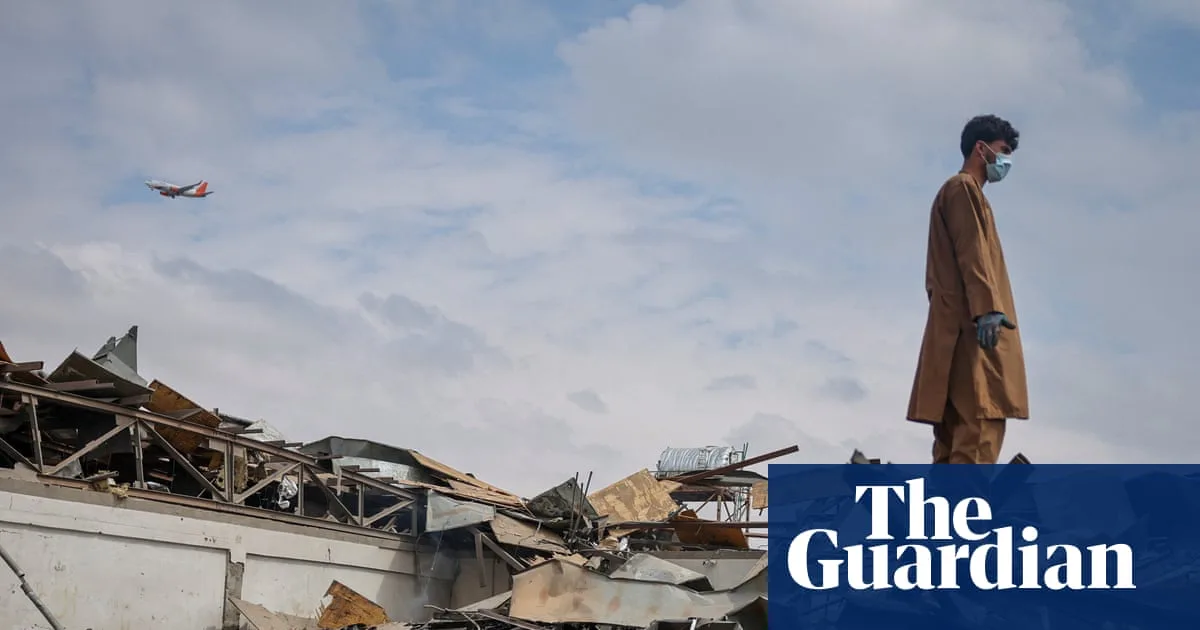
The attack on Monday evening during the holy month of Ramadan represents the deadliest assault on civilian infrastructure in the three-week war between Afghanistan and Pakistan, with rescue teams continuing to pull bodies from the rubble of the Omid Addiction Treatment Hospital.
'Doomsday' Scenes as Bombs Hit During Prayers
Ahmad, a 50-year-old patient at the facility, described the moment three bombs exploded just as people were completing evening Ramadan prayers. "The whole place caught fire. It was like doomsday," he said. "My friends were burning in the fire, and we could not save them all."
Afghan interior ministry spokesperson Abdul Mateen Quanie confirmed 408 fatalities with 265 injured at the 2,000-bed facility, though United Nations officials have reported a lower death toll of 143.
Desperate Search for Loved Ones Continues
Families have begun a frantic search for missing relatives as visual evidence shows heaps of rubble where the building once stood. Broken bunk beds, charred pillows, blankets, and personal belongings lay scattered in rooms that escaped complete destruction.
At Wazir Mohammad Akbar Khan Hospital, where the wounded were rushed, cries and screams shattered the sombre stillness as families searched frantically. "We have been searching since morning to find our patients, whether they are sick, injured, or martyred," said relative Khan Wazir. "Until now, we don't know what has happened to them."
Eyewitness Accounts of the Attack
A 35-year-old patient battling methamphetamine addiction described preparing to retire for the night when a loud explosion rocked the facility. "The fire rose very high. As I tried to escape, my leg became weak, and then another explosion occurred," he recalled.
Another witness, Noor Mohammad, reported seeing planes pass multiple times, with one circling the facility before returning to attack. "When the plane returned again and saw that many people were gathered, they thought we were all involved in recruitment," he said. "Seeing the large number of people, they began bombing."
Conflicting Claims About the Target
Pakistan has vehemently denied striking the hospital, claiming instead that its military targeted a "terrorist ammunition and equipment storage site" identified as Camp Phoenix miles from the rehabilitation centre.
"The visible secondary detonations after the strikes indicate the presence of large ammunition depots," asserted Pakistani Information Minister Attaullah Tarar. "No hospital, no drug rehabilitation centre, and no civilian facility was targeted."
However, local residents maintain that Camp Phoenix was an abandoned NATO military base converted into a drug treatment centre approximately a decade ago, known locally as Omid Camp or "camp of hope."
International Condemnation and Calls for Investigation
The attack has drawn widespread international condemnation, with the United Nations Assistance Mission in Afghanistan expressing deep concern over the "complete destruction" of parts of the facility, including areas housing adolescents where no survivors were reported.
UN Special Rapporteur Richard Bennett demanded the airstrike "must be promptly, independently and transparently investigated, those responsible held to account, and reparations made to victims and families."
The World Health Organisation warned that intensifying conflict places additional strain on health systems, with Director-General Tedros Adhanom Ghebreyesus urging: "Peace is the best medicine."
Regional Reactions and Diplomatic Fallout
China, a Pakistani ally, urged both countries to exercise "calm and restraint" without condemning the strike, while India issued stronger criticism, describing it as a "cowardly and unconscionable act of violence."
The European Commission emphasised that "civilian infrastructure, medical facilities, and civilians must never be targeted," calling for maximum restraint from both sides.
The attack comes amid months of border fighting between Pakistan and Afghanistan, with Islamabad accusing Kabul of harbouring militants involved in terrorist bombings - claims the Taliban government has repeatedly denied.




