US Judge Asks: Could President Trump Deport The Beatles Under 1798 Law?
Judge Asks: Could Trump Deport The Beatles?

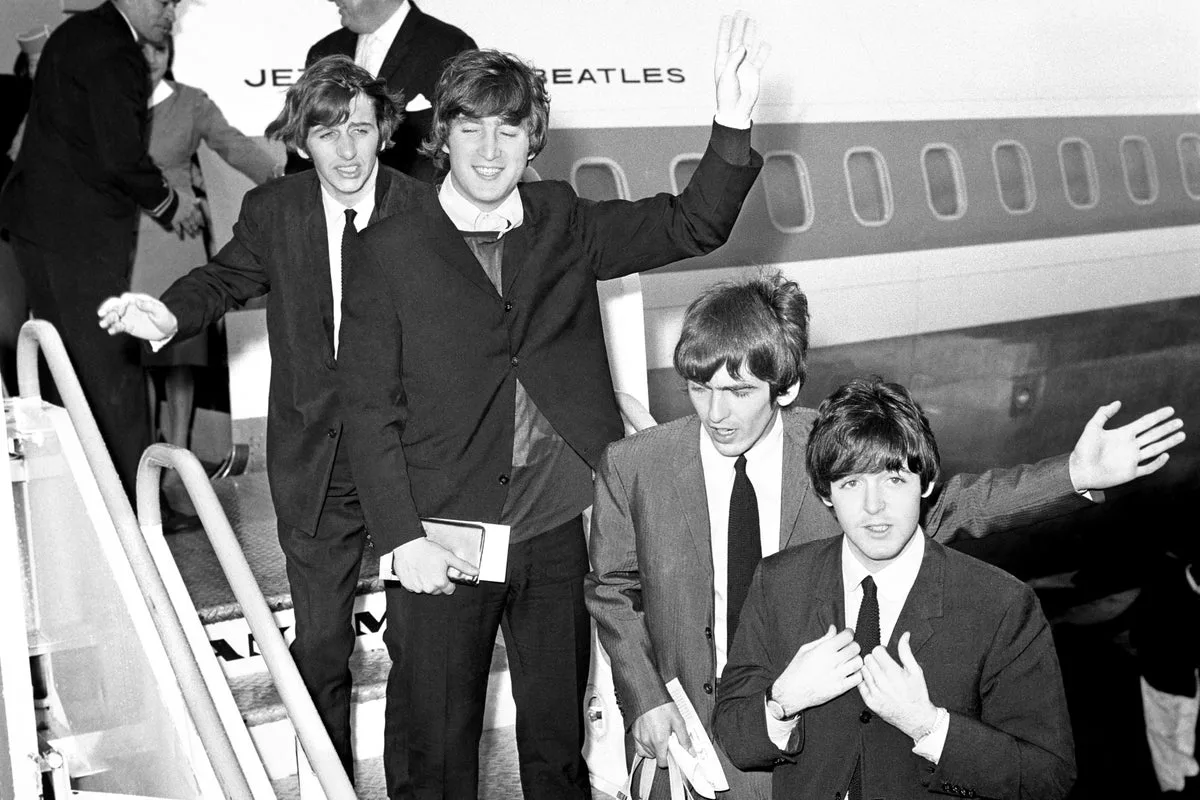
A federal appeals court judge in the United States has posed a striking hypothetical question during legal proceedings concerning former President Donald Trump's application of an 18th-century wartime statute: could a president deport The Beatles? The unexpected query emerged during arguments about the administration's use of the Alien Enemies Act of 1798 to remove Venezuelan gang members from American soil.

Courtroom Debate Over Presidential Powers

Jennifer Walker Elrod, chief judge of the 5th U.S. Circuit Court of Appeals in New Orleans, raised the provocative scenario while questioning whether the same law could theoretically be deployed against a "British invasion" perceived as corrupting young minds. Judge Elrod described her reference to the 1960s moral panic surrounding The Beatles and other British musical groups as "fanciful," yet the question prompted serious legal discussion about the scope of presidential authority.

In response to the judge's inquiry, government attorney Drew Ensign asserted unequivocally that the president would possess such power under the statute, and that courts would be unable to prevent its exercise. "These sort of questions of foreign affairs and the security of the nation are specifically political issues," said Ensign, an assistant attorney general arguing the administration's case before the full 5th Circuit Court of Appeals.

Wide Pickt banner — collaborative shopping lists app for Telegram, phone mockup with grocery list

The Legal Context: Venezuelan Gang Deportations

The exchange occurred during the administration's appeal of a ruling by a three-judge panel of the 5th Circuit, which found Trump inappropriately used the Alien Enemies Act when targeting the Venezuelan gang Tren de Aragua last year. The act has only been invoked three other times in American history—during the War of 1812 and both world wars—and a majority of the three-judge panel agreed with lower court judges and immigration lawyers that it cannot be deployed against a gang rather than a belligerent foreign power.

All 17 judges of the 5th Circuit were present for the arguments in New Orleans, where the administration sought to overturn the panel's decision. The court is considered one of the most conservative in the country, adding significance to its eventual ruling on this contentious matter.

Arguments About National Security and Legal Limits

During the proceedings, Lee Gelernt, an attorney for the American Civil Liberties Union, argued that "Tren de Aragua is committing ordinary crimes that are being dealt with by law enforcement. The Alien Enemies Act is about wartime and it's about the military." This position challenges the administration's broader interpretation of the statute.

Ensign countered by noting the law allows invocation during attempts of "invasion" or "predatory incursion," arguing that courts should accept a president's declaration that such circumstances exist. "A predatory incursion is less than an invasion," Ensign stated, citing legal precedents involving foreign fishing boats entering U.S. waters. He also referenced Trump's allegation that the gang was acting at the behest of recently ousted Venezuelan President Nicolas Maduro's government—an assertion disputed by some law enforcement analysts.

Broader Implications and Supreme Court Involvement

The constitutional questions surrounding Trump's use of the Alien Enemies Act have already reached the nation's highest judicial body. The Supreme Court has intervened twice previously in the legal saga of Trump's invocation of the act, though it has not yet ruled on the constitutionality of its application.

In one significant intervention, the high court ruled that anyone the administration tried to remove under the act needed a "reasonable" opportunity to challenge their designation as a gang member in court. The following month, the Supreme Court issued an unusual midnight ruling halting deportation flights and barring removals under the act until the 5th Circuit could establish proper procedures.

It remains unclear when the 5th Circuit will issue its ruling on the current appeal, but the final determination on the constitutionality of Trump's actions will likely rest with the U.S. Supreme Court. The Beatles hypothetical, while described as fanciful by the judge who raised it, underscores the broader legal debate about how far presidential powers extend under centuries-old national security statutes.

Pickt after-article banner — collaborative shopping lists app with family illustration